
When it comes to transporting chemicals, the safety and comfort of the driver are of utmost importance. As a chemical truck supplier, we understand the significance of an ergonomic cab design. An ergonomic chemical truck cab not only enhances the well - being of the driver but also contributes to the overall efficiency and safety of chemical transportation. In this blog, we will explore the key ergonomic features of a chemical truck cab.
Adjustable Seating
One of the fundamental ergonomic features of a chemical truck cab is an adjustable seat. A good quality seat should offer multiple adjustment options, including height, tilt, and lumbar support. The ability to adjust the seat height allows the driver to position their eyes at the optimal level for clear visibility through the windshield. This is crucial as it reduces neck strain and ensures that the driver can easily monitor the road, traffic signs, and other vehicles.
Tilt adjustment is equally important. It enables the driver to find a comfortable sitting angle, which can help alleviate pressure on the lower back. Lumbar support, on the other hand, provides additional cushioning and support for the natural curve of the spine. A well - supported spine reduces the risk of back pain, which is a common complaint among long - haul truck drivers. For instance, our chemical truck cabs are equipped with seats that can be adjusted to fit the unique body dimensions and preferences of each driver, ensuring maximum comfort during long trips.
Spacious Interior
A chemical truck cab should have a spacious interior to allow the driver to move freely. Ample legroom is essential, especially for tall drivers. When the driver has enough space to stretch their legs, it reduces the risk of blood clots and promotes better blood circulation. Additionally, a wide cabin width gives the driver more elbow room, preventing the feeling of being cramped.
We design our chemical truck cabs with a focus on space utilization. The interior layout is carefully planned to provide a comfortable and functional workspace for the driver. This not only improves the driver's comfort but also enhances their productivity. A driver who is not restricted by a cramped cab is more likely to stay focused and alert on the road.
Intuitive Control Placement
The placement of controls in a chemical truck cab is a critical ergonomic factor. All controls, including the steering wheel, pedals, gearshift, and dashboard controls, should be within easy reach of the driver. This reduces the need for the driver to stretch or twist their body to operate these controls, which can cause muscle fatigue and distraction.
For example, the gearshift lever should be positioned in a way that allows the driver to shift gears smoothly without having to take their eyes off the road for an extended period. Dashboard controls, such as those for the climate control system and the radio, should be clearly labeled and easy to operate. Our chemical truck cabs feature an intuitive control layout that is designed based on extensive research and driver feedback. This ensures that the driver can operate all controls safely and efficiently.
Good Visibility
Visibility is a key aspect of an ergonomic chemical truck cab. Large windows and a well - designed windshield provide the driver with a clear view of the road ahead, as well as the sides and rear of the truck. This is essential for safe driving, especially when maneuvering in tight spaces or changing lanes.
In addition to large windows, our chemical truck cabs are equipped with strategically placed mirrors. These mirrors are adjustable and provide a wide field of view, minimizing blind spots. Some of our models also feature advanced camera systems that can further enhance the driver's visibility, especially when backing up or making turns. Good visibility not only improves safety but also reduces the stress and fatigue associated with constantly checking for other vehicles and obstacles.
Noise and Vibration Reduction
Chemical trucks often operate in challenging environments, which can generate a significant amount of noise and vibration. Excessive noise and vibration can cause fatigue, hearing loss, and other health problems for the driver. Therefore, an ergonomic chemical truck cab should be designed to reduce these factors.
We use high - quality insulation materials in our cab construction to minimize noise from the engine, road, and external environment. Additionally, the suspension system of our trucks is designed to absorb vibrations, providing a smoother ride. This not only improves the driver's comfort but also allows them to focus better on the road. A quiet and vibration - free cab creates a more pleasant working environment, which can lead to increased job satisfaction and productivity.
Climate Control
Maintaining a comfortable temperature inside the cab is crucial for the driver's well - being. Our chemical truck cabs are equipped with advanced climate control systems that can adjust the temperature and humidity levels according to the driver's preferences. Whether it's a hot summer day or a cold winter night, the climate control system ensures that the driver stays comfortable.
A comfortable temperature also helps the driver stay alert and focused. Extreme temperatures can be distracting and can affect the driver's performance. By providing a comfortable climate, we reduce the risk of heat - related or cold - related illnesses and improve the overall safety of chemical transportation.
Storage Space
A chemical truck driver needs to have easy access to personal items, tools, and documents. Therefore, an ergonomic cab should have sufficient storage space. This can include compartments under the seat, overhead storage bins, and door pockets.
The storage spaces are designed to be easily accessible while the driver is seated. For example, the compartments under the seat can be used to store larger items such as spare parts or emergency equipment, while the overhead storage bins are ideal for documents and small personal items. Having organized storage space helps keep the cab tidy and allows the driver to quickly find what they need, reducing distractions on the road.
Advanced Technology Integration
In today's digital age, advanced technology integration is an important part of an ergonomic chemical truck cab. Our cabs are equipped with modern infotainment systems that offer features such as GPS navigation, Bluetooth connectivity, and hands - free calling. These features not only enhance the driver's convenience but also improve safety.
For instance, GPS navigation helps the driver find the most efficient routes, reducing travel time and fuel consumption. Hands - free calling allows the driver to communicate without taking their hands off the steering wheel, minimizing distractions. We also integrate advanced safety systems, such as collision warning systems and lane departure warning systems, which can further enhance the safety of chemical transportation.
As a chemical truck supplier, we are committed to providing our customers with trucks that are not only reliable and safe but also ergonomic. Our trucks are designed with the driver's comfort and well - being in mind, and we continuously strive to improve our designs based on the latest research and customer feedback.
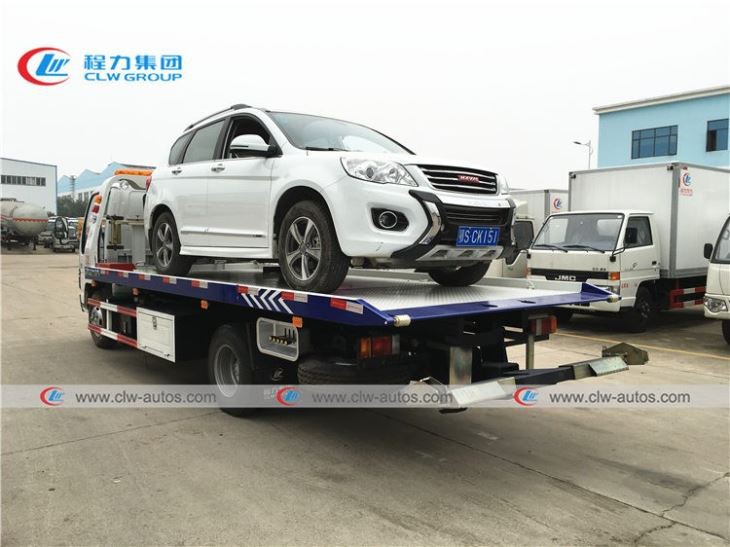
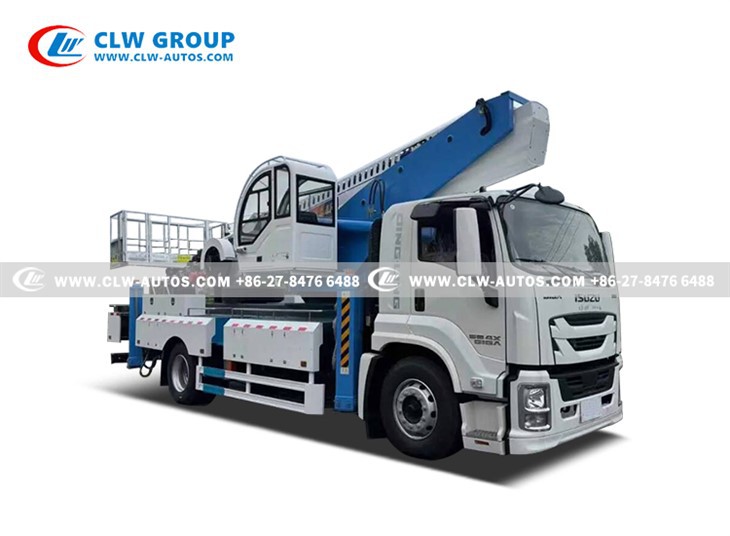
If you are in the market for a chemical truck, we encourage you to explore our range of products. We also offer models like the ISUZU 600P 4Tons Flatbed Road Wrecker, 4 Axle 50T U - Shape Tipper Dump Semi - Trailer, and ISUZU 45m Manlift Truck. These vehicles are built with the same high - quality standards and ergonomic features as our chemical trucks.
We invite you to contact us for more information about our products and to discuss your specific requirements. Our team of experts is ready to assist you in finding the perfect chemical truck for your business.
References
- SAE International. (20XX). Ergonomic Design Guidelines for Commercial Vehicle Cabs.
- Occupational Safety and Health Administration (OSHA). (20XX). Guidelines for Reducing Driver Fatigue in Commercial Motor Vehicles.
- European Automobile Manufacturers Association (ACEA). (20XX). Best Practices in Truck Cab Ergonomics.