


As an LED Trailer supplier, one of the most frequently asked questions I encounter is whether it's feasible to use an LED Trailer in cold weather. This is a crucial concern for many clients, especially those in regions with harsh winter conditions or those planning outdoor events during the colder months. In this blog post, I'll delve into the technical aspects, potential challenges, and practical solutions regarding the use of LED Trailers in cold weather.
Technical Considerations
LED technology has come a long way in recent years, and modern LED displays are designed to be more resilient to various environmental conditions, including cold temperatures. However, it's important to understand the fundamental principles that can be affected by low temperatures.
1. Battery Performance
The battery is the heart of an LED Trailer, providing the necessary power to illuminate the display. Cold weather can significantly impact battery performance. Most batteries, especially lead - acid batteries, experience a decrease in capacity and output voltage as the temperature drops. This is because the chemical reactions within the battery slow down in cold conditions. For example, at 0°C (32°F), a lead - acid battery may only deliver about 70% of its rated capacity compared to its performance at 25°C (77°F).
To mitigate this issue, it's advisable to use batteries specifically designed for cold weather operation. Lithium - ion batteries, for instance, tend to perform better in cold conditions than lead - acid batteries. They have a wider operating temperature range and are less affected by the cold - induced slowdown of chemical reactions.
2. LED Panel Functionality
LED panels themselves are generally more resistant to cold temperatures than other components. However, extreme cold can still have some effects. At very low temperatures, the brightness of the LEDs may decrease slightly. This is due to the change in the semiconductor properties of the LED chips. Additionally, the color accuracy of the display may be affected, as different color LEDs may respond differently to cold temperatures.
Most high - quality LED Trailers are equipped with temperature - compensation technology. This technology adjusts the power supply to the LEDs based on the ambient temperature, ensuring consistent brightness and color accuracy even in cold weather.
3. Mechanical Components
The mechanical components of an LED Trailer, such as the frame, hinges, and lifting mechanisms, can also be affected by cold weather. Metal contracts in cold temperatures, which can lead to increased stress on the joints and connections. This may cause the components to become more brittle and prone to cracking or breaking.
Regular maintenance and inspection of the mechanical components are essential, especially before using the LED Trailer in cold weather. Lubricants should be selected carefully, as some traditional lubricants may thicken or freeze in cold conditions, rendering them ineffective. Specialized cold - weather lubricants can help ensure smooth operation of the mechanical parts.
Potential Challenges
1. Condensation
One of the most significant challenges in cold weather is condensation. When the warm, moist air inside the LED Trailer comes into contact with the cold exterior surfaces, water vapor can condense into liquid water. This can lead to corrosion of the electrical components, short - circuits, and damage to the LED panels.
To prevent condensation, proper ventilation and insulation are crucial. Ventilation helps to remove the moist air from the inside of the trailer, while insulation helps to maintain a more stable internal temperature. Some LED Trailers are equipped with built - in ventilation systems and insulation materials to address this issue.
2. Mobility and Setup
Cold weather can also pose challenges in terms of the mobility and setup of the LED Trailer. Snow, ice, and frozen ground can make it difficult to move the trailer to the desired location. Additionally, the cold can make the ground hard and uneven, which may affect the stability of the trailer during setup.
It's important to plan ahead and take appropriate precautions when using the LED Trailer in cold weather. This may include using snow chains or other traction devices on the trailer wheels, and ensuring that the setup area is properly cleared of snow and ice.
Practical Solutions
1. Pre - Trip Checks
Before using the LED Trailer in cold weather, a thorough pre - trip check is essential. This includes checking the battery charge level, inspecting the LED panels for any signs of damage, and ensuring that all mechanical components are in good working condition. It's also a good idea to test the temperature - compensation system and the ventilation system to make sure they are functioning properly.
2. Storage and Maintenance
Proper storage and maintenance are key to ensuring the longevity and performance of the LED Trailer in cold weather. When not in use, the trailer should be stored in a heated or insulated facility to prevent damage from extreme cold. Regular maintenance, including battery charging, lubrication of mechanical components, and cleaning of the LED panels, should be carried out according to the manufacturer's recommendations.
Real - World Applications
Despite the challenges, many clients have successfully used LED Trailers in cold weather for various applications. For example, during winter festivals and holiday events, LED Trailers are often used to display advertising messages, event schedules, and festive decorations. They can also be used for emergency communication in cold regions, such as in snow - covered areas where traditional signage may be difficult to see.
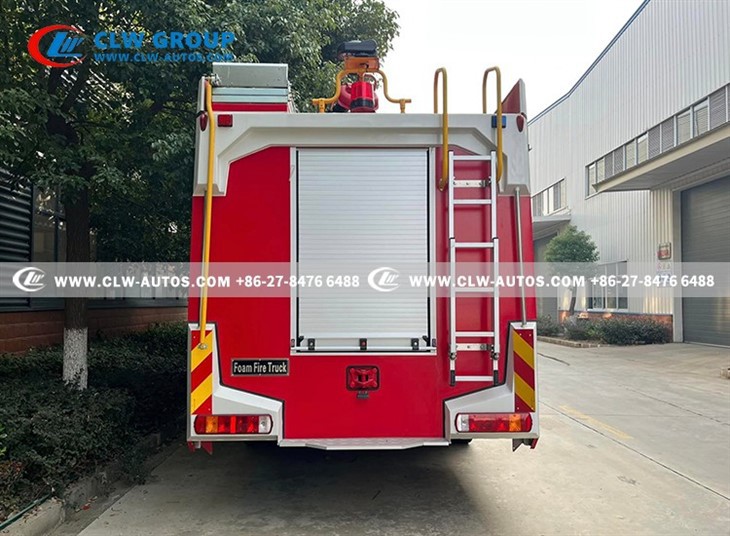
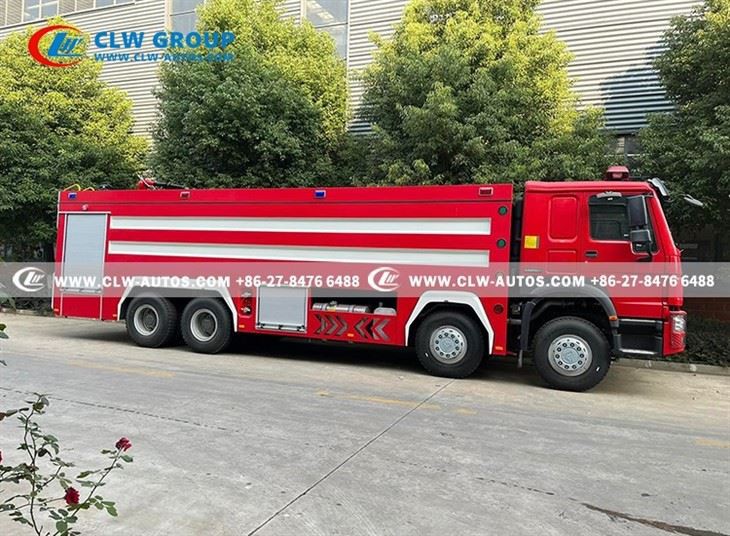
Some of our clients have used our LED Trailers in conjunction with other types of vehicles. For instance, the Howo 30tons Tipper Truck Mounted With Knuckle 5Tons XCMG Crane can be used to transport the LED Trailer to remote construction sites in cold weather, while the Sinotruk HOWO 20 Tons Foam Fire Truck can be used to ensure safety during outdoor events where the LED Trailer is deployed. In addition, the 4x2 Hook Lift Garbage Truck can be used to keep the event area clean, even in cold weather.
Conclusion
In conclusion, while using an LED Trailer in cold weather presents some challenges, it is definitely feasible with the right precautions and solutions. By understanding the technical aspects, addressing potential challenges, and implementing practical solutions, you can ensure the reliable performance of your LED Trailer in cold conditions.
If you're interested in purchasing an LED Trailer for use in cold weather or have any questions about our products, we encourage you to contact us for a detailed consultation. Our team of experts is ready to assist you in finding the best solution for your specific needs.
References
- "Battery Technology Handbook" by David Linden and Thomas Reddy
- "LED Lighting Technology: Principles and Applications" by Jingyu Lin and Zhiyong Fan
- Manufacturer's manuals and technical specifications for LED Trailers