
What are the lifting capacities of vacuum trucks with lifting mechanisms?
As a supplier of vacuum trucks, I often get asked about the lifting capacities of vacuum trucks equipped with lifting mechanisms. Understanding these capacities is crucial for customers who need to perform specific tasks, such as lifting heavy debris, waste containers, or other materials during the vacuuming process. In this blog post, I'll delve into the factors that influence the lifting capacities of these specialized vehicles and provide some real - world examples to give you a better idea.
Factors Affecting Lifting Capacities
-
Type of Lifting Mechanism
- There are different types of lifting mechanisms used in vacuum trucks, such as hydraulic cranes and hook - lift systems. Hydraulic cranes are known for their flexibility and ability to reach various angles and distances. The lifting capacity of a hydraulic crane on a vacuum truck can range from a few hundred kilograms to several tons, depending on its design and specifications. For instance, a small - scale hydraulic crane may have a lifting capacity of around 1 - 2 tons, which is suitable for lifting small waste bins or light debris. On the other hand, larger hydraulic cranes can lift up to 10 tons or more, allowing for the handling of heavier objects like large industrial waste containers.
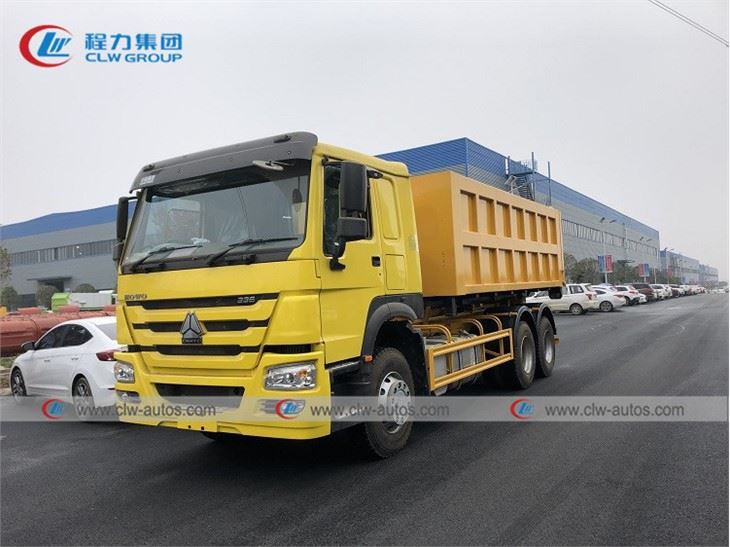
- Hook - lift systems, on the other hand, are more commonly used for lifting and transporting large waste containers. These systems are designed to quickly and efficiently swap out different sized containers. The lifting capacity of a hook - lift system is typically determined by the strength of its hydraulic cylinders and the structural integrity of the truck's frame. Hook - lift systems on vacuum trucks can usually handle containers ranging from 5 to 20 cubic meters in volume, with corresponding weight capacities that can vary from 3 to 15 tons.
-
Truck Chassis and Stability
- The chassis of the vacuum truck plays a vital role in determining its lifting capacity. A stronger and more robust chassis can support a greater load. Trucks with heavier - duty chassis, such as those used in heavy - industrial applications, are designed to handle larger lifting capacities. For example, a truck with a heavy - duty 6x6 chassis can provide better stability and support for a high - capacity lifting mechanism compared to a lighter 4x2 chassis.
- Stability is also a key factor. When a lifting mechanism is in operation, it can shift the center of gravity of the truck. To ensure safe lifting, the truck must be properly balanced. This may involve using outriggers or stabilizers to prevent the truck from tipping over during the lifting process. The design and placement of these stability features are carefully engineered to maximize the lifting capacity while maintaining the safety of the vehicle and its operators.
-
Hydraulic System Power
- The hydraulic system is the heart of the lifting mechanism in a vacuum truck. A more powerful hydraulic system can generate greater force, which directly translates into a higher lifting capacity. The power of the hydraulic system is determined by factors such as the size of the hydraulic pump, the pressure it can generate, and the flow rate of the hydraulic fluid. High - performance hydraulic systems can provide the necessary force to lift heavy objects quickly and smoothly. For example, a vacuum truck with a high - pressure hydraulic system can lift a large and heavy waste container in a matter of seconds, improving the efficiency of the waste - handling process.
Real - World Examples of Lifting Capacities
-
Municipal Waste Collection
- In municipal waste collection, vacuum trucks with hook - lift systems are commonly used. These trucks are designed to lift and transport large waste containers from residential and commercial areas. For example, a typical hook - lift vacuum truck used in a city environment may have a lifting capacity of around 8 - 12 tons. This allows it to handle standard 10 - 15 cubic - meter waste containers filled with household waste, recyclables, or other non - hazardous materials. The ability to quickly swap out these containers makes the waste collection process more efficient, reducing the time spent on each collection point.
-
Industrial Waste Handling
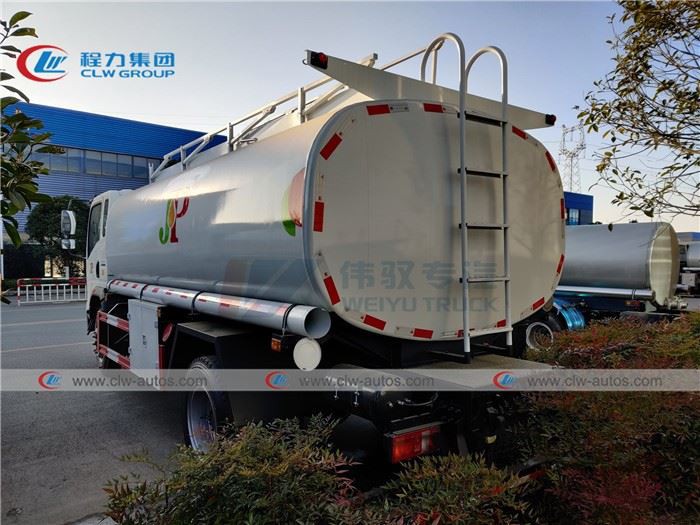
- In industrial settings, vacuum trucks with hydraulic cranes are often required to handle heavier and more specialized loads. For instance, in a manufacturing plant, a vacuum truck may be used to lift and remove large drums of chemical waste or heavy machinery parts. A vacuum truck equipped with a medium - sized hydraulic crane with a lifting capacity of 5 - 8 tons can be sufficient for most industrial waste - handling tasks. However, for larger industrial facilities or those dealing with extremely heavy loads, trucks with high - capacity hydraulic cranes, such as the SINOTRUK 10Tons 10,000L Fuel Bowser Truck LHD, which can potentially be modified with a suitable lifting mechanism, may be needed.
-
Construction Site Cleanup
- Construction sites generate a large amount of debris, including concrete blocks, steel beams, and other heavy materials. Vacuum trucks with lifting mechanisms are essential for cleaning up these sites. A hook - lift vacuum truck with a lifting capacity of 15 - 20 tons can be used to lift and transport large skips filled with construction waste. Additionally, a hydraulic crane on a vacuum truck can be used to lift and position heavy construction equipment or to remove large pieces of debris from hard - to - reach areas. For example, the Howo RHD 20cbm Waste Recycling 20m3 Hook Lift Garbage Truck can be a great option for construction site waste management due to its relatively high lifting capacity and waste - handling capabilities.
-
Off - Road and Specialized Applications
- In off - road and specialized applications, such as mining or forestry, vacuum trucks with lifting mechanisms need to be able to handle heavy loads in challenging terrains. Trucks like the HOWO 6x6 Flatbed Truck With 16 Tons Knuckle Boom Crane are designed to operate in rough conditions. The 16 - ton knuckle boom crane on this truck allows it to lift and move heavy equipment, such as mining machinery parts or large logs, in off - road environments. The 6x6 chassis provides the necessary stability and traction to support the high - capacity lifting mechanism while navigating through uneven terrain.
Conclusion
The lifting capacities of vacuum trucks with lifting mechanisms vary widely depending on several factors, including the type of lifting mechanism, the truck chassis, and the power of the hydraulic system. Understanding these factors is essential for customers to choose the right vacuum truck for their specific needs. Whether it's for municipal waste collection, industrial waste handling, construction site cleanup, or off - road applications, there is a vacuum truck with an appropriate lifting capacity available.
If you are in the market for a vacuum truck with a lifting mechanism, I encourage you to contact us for more information. Our team of experts can help you select the right truck based on your requirements and provide you with detailed specifications and pricing. We are committed to providing high - quality vacuum trucks that meet the diverse needs of our customers. Don't hesitate to reach out and start the procurement process today.
References
- Engineering textbooks on heavy - vehicle design and hydraulic systems
- Industry reports on waste management and vacuum truck applications
- Manufacturer's specifications for vacuum trucks and lifting mechanisms