
Unveiling the Structure of the City's Unsung "Cleaner"
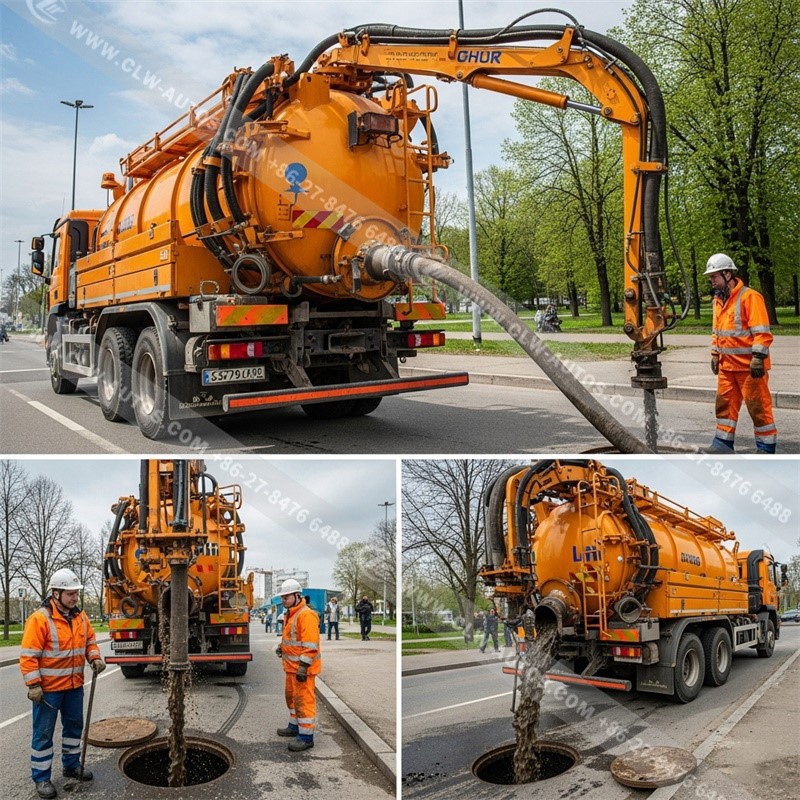
A Familiar Yet Overlooked City Hero
In places like sewer manholes, septic tanks, farms, and sanitation systems, there's one type of vehicle quietly working behind the scenes-the vacuum sewage truck.
This is not your average truck. It's a special-purpose vehicle designed to suction and transport liquid and semi-liquid waste, such as sludge, wastewater, and sewage.
If you still confuse it with a "septic truck," then this article is just for you!
In one sentence: Suck efficiently, carry steadily, and discharge cleanly.
Its job can be broken down into three simple steps:
Suction – Uses vacuum pressure to draw waste into the sealed tank
Transport – Carries the waste to an approved disposal site
Discharge – Empties the tank either by pressure discharge or rear door opening
Compared to manual cleaning, vacuum trucks are faster, safer, and much more hygienic.
A vacuum truck consists of several key systems:
| Component | Function Description |
|---|---|
| Chassis | Commonly built on Dongfeng, Foton, FAW, SINOTRUK platforms for mobility and support |
| Tank | Cylindrical sealed tank, typically 3–15 m³; made of carbon steel, stainless steel, or aluminum |
| Vacuum Pump | The "heart" of the truck; creates negative pressure for suction; SK, oil-free, or Roots pumps are commonly used |
| Hydraulic System | Controls tank lifting, tailgate opening, and waste dumping operations |
| Pipeline System | Includes suction hoses, valves, discharge ports, and filters |
| Control System | Manual or electric panels for operating the vehicle's features |
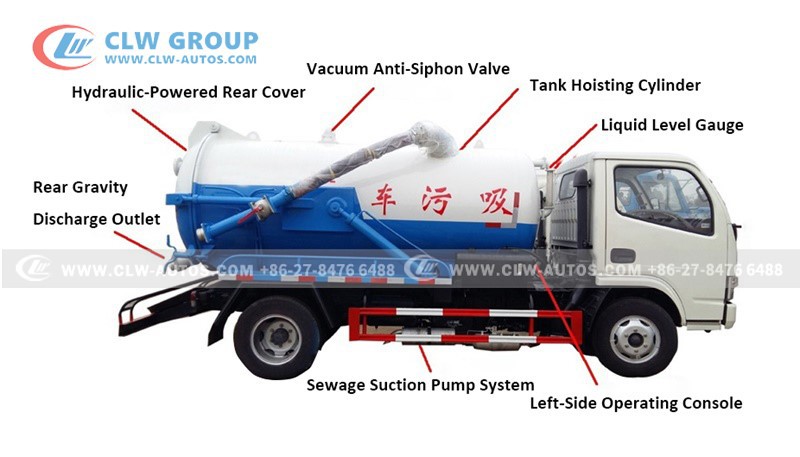
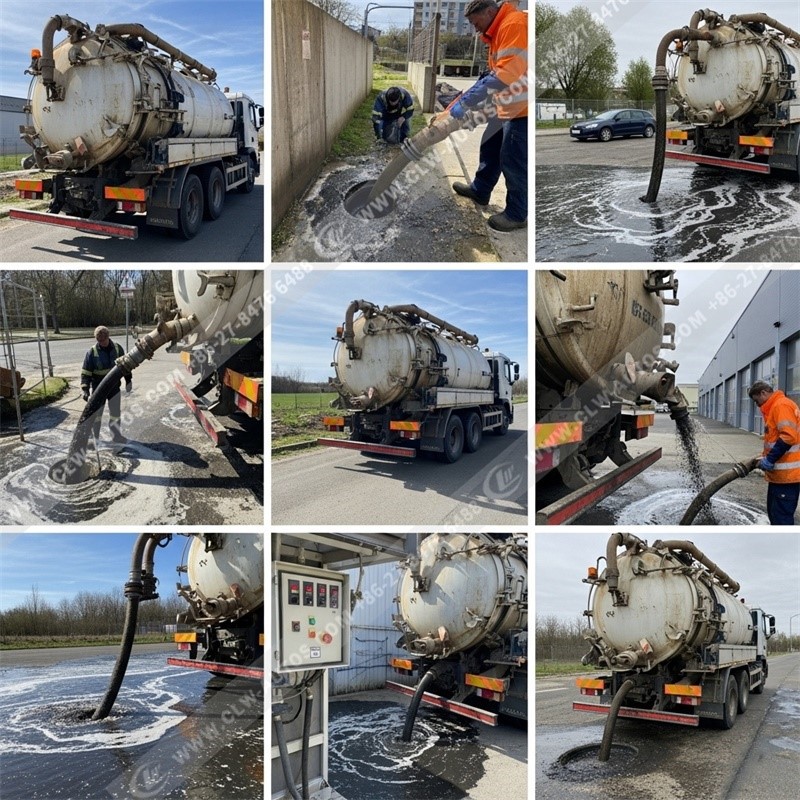
Insert the suction hose into the sewer or septic tank
Activate the vacuum pump to create negative pressure
Waste is drawn into the tank via vacuum
Pressure remains stable for continuous suction
Drive to the discharge location
Sealed tank prevents leakage or odor
Use hydraulic lifting or reverse pressure to empty the tank
| Feature | Vacuum Sewage Truck | Septic Truck |
|---|---|---|
| Waste Type | Sludge, wastewater, industrial waste | Primarily human waste and sewage |
| Pump Power | High suction strength | Moderate suction power |
| Use Cases | City sewers, factories, sanitation | Residential septic tanks |
| Pipe System | More complex, with filters | Simple pipeline design |
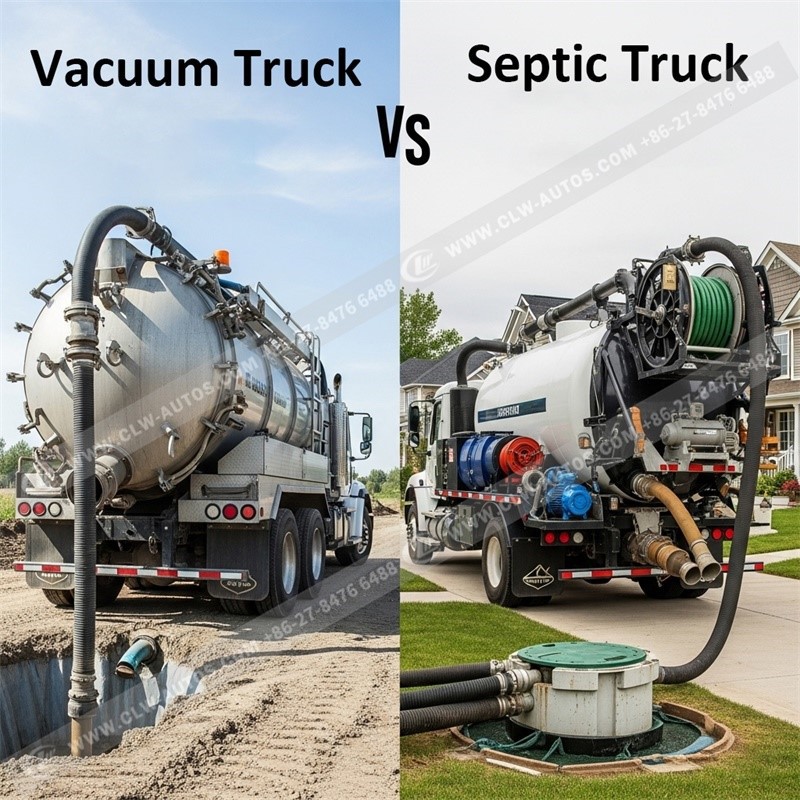
Conclusion: A vacuum sewage truck ≠ a septic truck. It's more powerful and versatile.
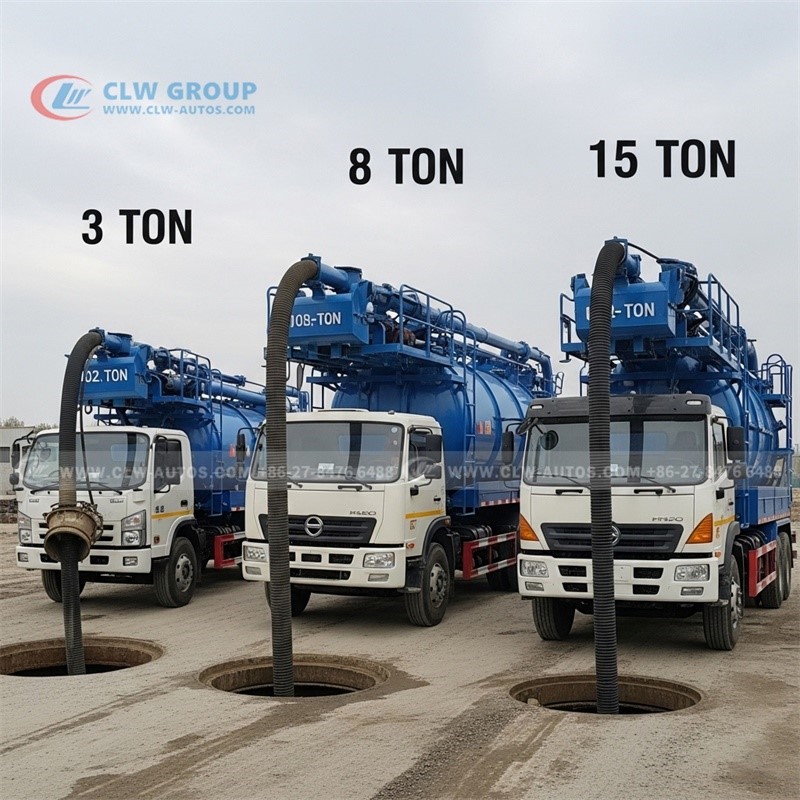
🔹 3-ton Mini Vacuum Truck – Ideal for neighborhoods and narrow alleys
🔹 8-ton Medium Truck – Suited for urban roads and sanitation services
🔹 15-ton Large Truck – Perfect for industrial areas and city-wide operations
Regularly inspect vacuum pumps and hydraulic systems
Ensure tank sealing to prevent pollution
Choose temperature-appropriate materials and pump types
Only discharge at legal treatment stations
Consider adding a high-pressure flushing system for dual-purpose use
Modern vacuum sewage trucks are integrating:
📡 GPS & BeiDou Navigation
📱 Remote control operation
🔔 Liquid level auto-alert systems
🌱 Electric and LNG green power options
Intelligence and sustainability are the future of these vehicles.
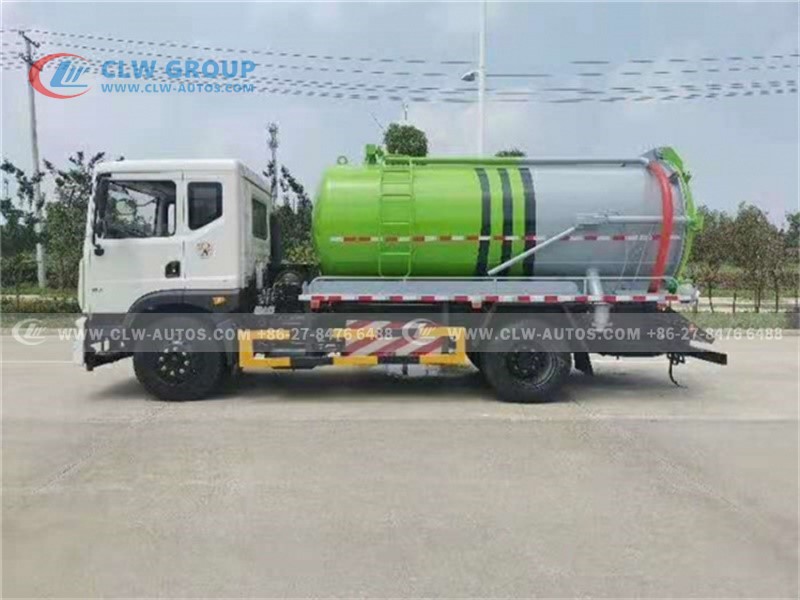
Though low-profile, the vacuum sewage truck plays a crucial role in keeping cities clean and operational. Every load of waste it removes is a step toward a healthier environment.
Next time you pass by one of these hard-working vehicles, give a silent thanks:
"Thank you, urban cleaner."