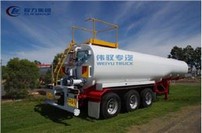
🚛 How Does A Vacuum Sewage Truck Work?
Unveiling the Structure of the City's Unsung "Cleaner"
1. Who Is It?
A Familiar Yet Overlooked City Hero
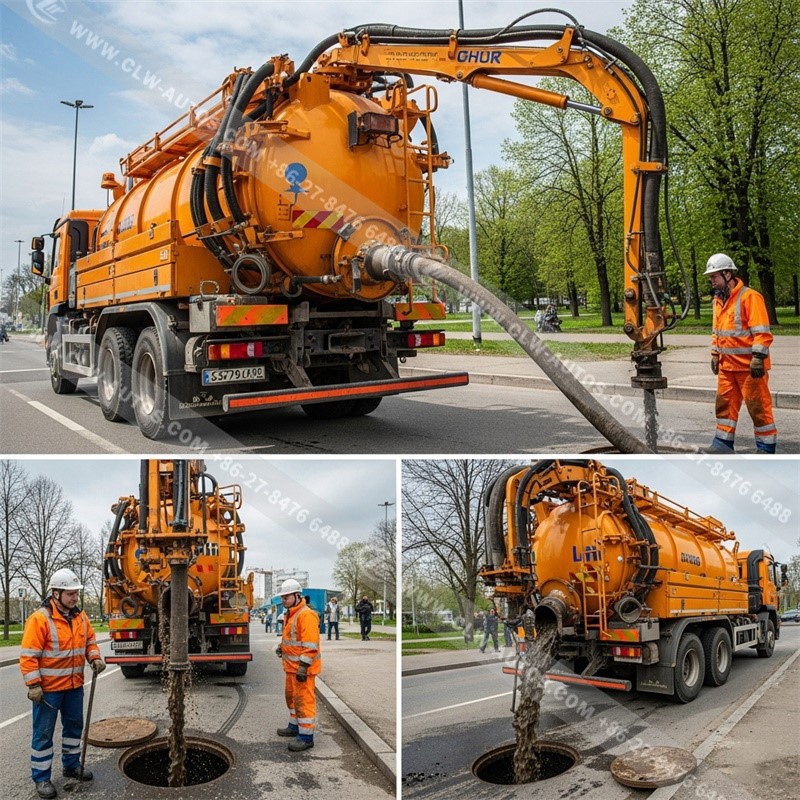
In places like sewer manholes, septic tanks, farms, and sanitation systems, there's one type of vehicle quietly working behind the scenes-the vacuum sewage truck.
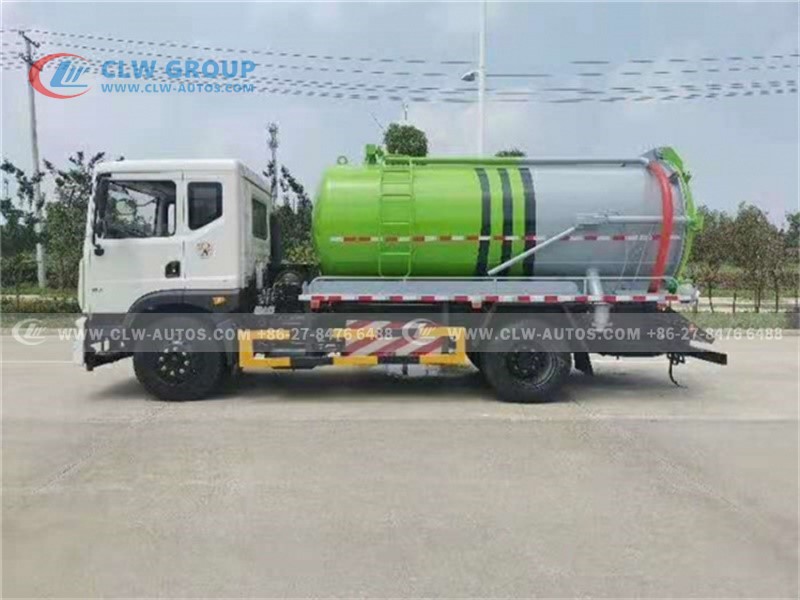
This is not your average truck. It's a special-purpose vehicle designed to suction and transport liquid and semi-liquid waste, such as sludge, wastewater, and sewage.
If you still confuse it with a "septic truck," then this article is just for you!
2. What's Its Core Function?
In one sentence: Suck efficiently, carry steadily, and discharge cleanly.
Its job can be broken down into three simple steps:
Suction – Uses vacuum pressure to draw waste into the sealed tank
Transport – Carries the waste to an approved disposal site
Discharge – Empties the tank either by pressure discharge or rear door opening
Compared to manual cleaning, vacuum trucks are faster, safer, and much more hygienic.
3. Structure of a Vacuum Sewage Truck
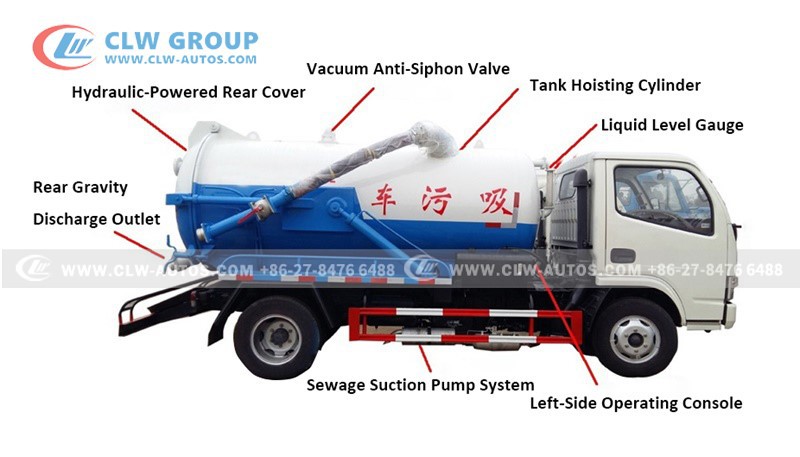
A vacuum truck consists of several key systems:
| Component | Function Description |
|---|---|
| Chassis | Commonly built on Dongfeng, Foton, FAW, SINOTRUK platforms for mobility and support |
| Tank | Cylindrical sealed tank, typically 3–15 m³; made of carbon steel, stainless steel, or aluminum |
| Vacuum Pump | The "heart" of the truck; creates negative pressure for suction; SK, oil-free, or Roots pumps are commonly used |
| Hydraulic System | Controls tank lifting, tailgate opening, and waste dumping operations |
| Pipeline System | Includes suction hoses, valves, discharge ports, and filters |
| Control System | Manual or electric panels for operating the vehicle's features |
4. Suction Operation Illustrated
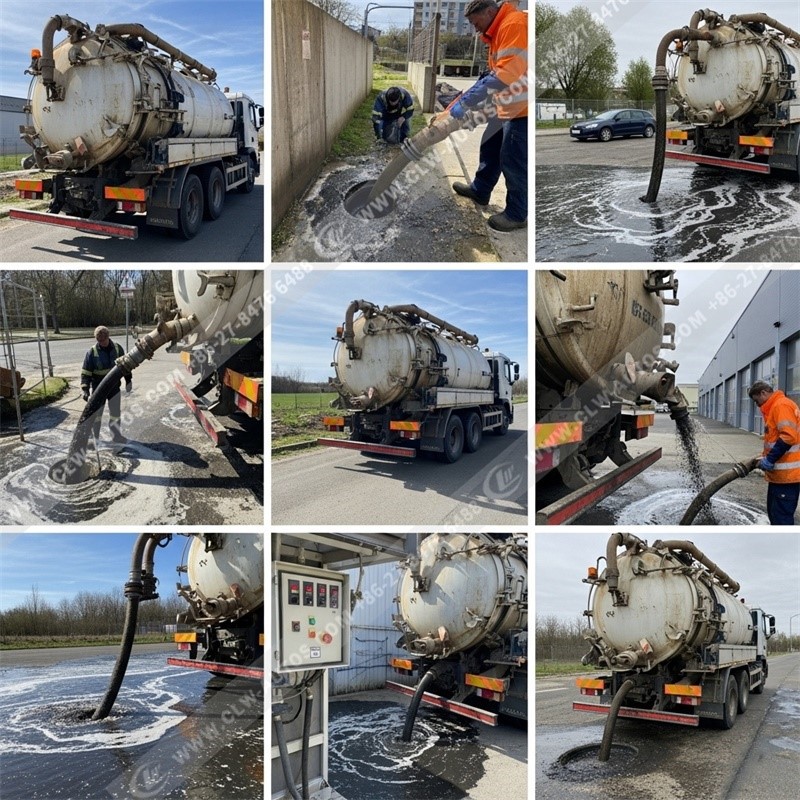
Step 1: Preparation
Insert the suction hose into the sewer or septic tank
Activate the vacuum pump to create negative pressure
Step 2: Suction
Waste is drawn into the tank via vacuum
Pressure remains stable for continuous suction
Step 3: Transportation
Drive to the discharge location
Sealed tank prevents leakage or odor
Step 4: Discharge
Use hydraulic lifting or reverse pressure to empty the tank
5. Vacuum Sewage Truck vs Septic Truck: What's the Difference?
| Feature | Vacuum Sewage Truck | Septic Truck |
|---|---|---|
| Waste Type | Sludge, wastewater, industrial waste | Primarily human waste and sewage |
| Pump Power | High suction strength | Moderate suction power |
| Use Cases | City sewers, factories, sanitation | Residential septic tanks |
| Pipe System | More complex, with filters | Simple pipeline design |
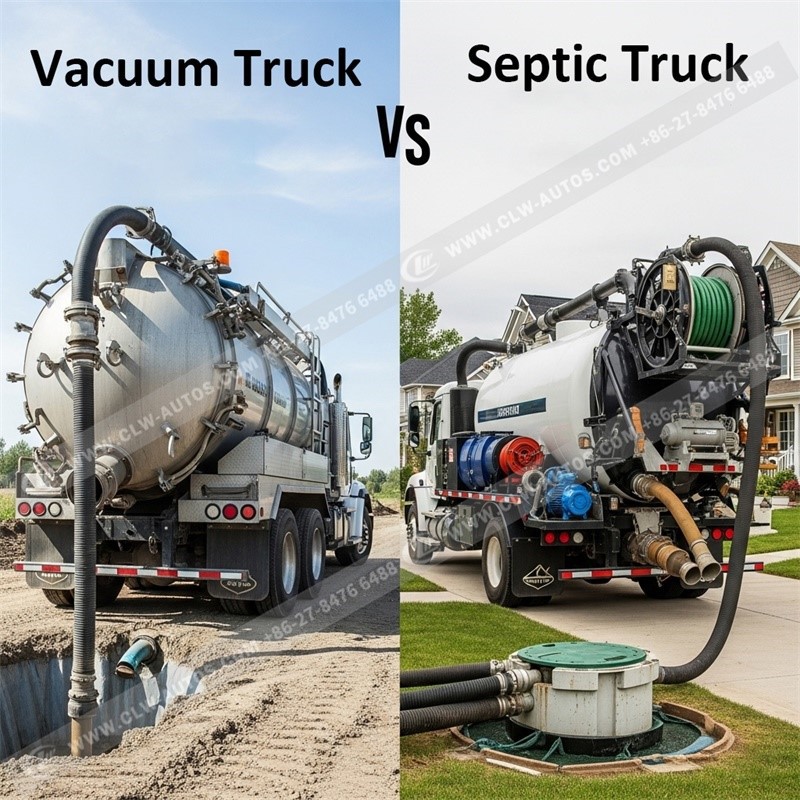
Conclusion: A vacuum sewage truck ≠ a septic truck. It's more powerful and versatile.
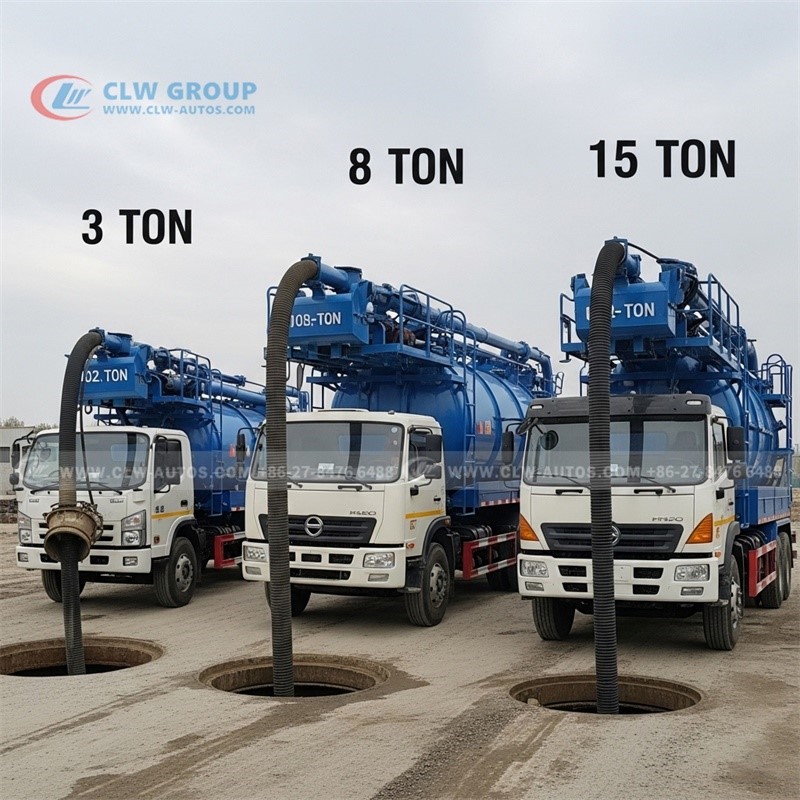
6. Common Models
🔹 3-ton Mini Vacuum Truck – Ideal for neighborhoods and narrow alleys
🔹 8-ton Medium Truck – Suited for urban roads and sanitation services
🔹 15-ton Large Truck – Perfect for industrial areas and city-wide operations
7. What Should You Be Aware Of When Using It?
Regularly inspect vacuum pumps and hydraulic systems
Ensure tank sealing to prevent pollution
Choose temperature-appropriate materials and pump types
Only discharge at legal treatment stations
Consider adding a high-pressure flushing system for dual-purpose use
8. The Future: Smart & Green Vacuum Trucks
Modern vacuum sewage trucks are integrating:
📡 GPS & BeiDou Navigation
📱 Remote control operation
🔔 Liquid level auto-alert systems
🌱 Electric and LNG green power options
Intelligence and sustainability are the future of these vehicles.
9. Final Words: A Salute to the Urban "Cleaner"
Though low-profile, the vacuum sewage truck plays a crucial role in keeping cities clean and operational. Every load of waste it removes is a step toward a healthier environment.
Next time you pass by one of these hard-working vehicles, give a silent thanks:
"Thank you, urban cleaner."