


Loading and unloading a refrigerated trailer safely is of paramount importance in the transportation of temperature - sensitive goods. As a supplier of refrigerated trailers, I understand the nuances and risks involved in these processes. In this blog, I will share comprehensive insights on how to load and unload a refrigerated trailer safely, from pre - loading preparations to post - unloading maintenance.
Pre - Loading Preparations
Before loading a refrigerated trailer, several crucial steps must be taken to ensure a safe and efficient process. First and foremost, the maintenance of the trailer itself is non - negotiable. The refrigeration unit should be thoroughly inspected to guarantee it is operating at optimal capacity. This includes checking the compressor, condenser, evaporator, and refrigerant levels. Any signs of malfunctions or wear and tear should be addressed immediately.
The interior of the trailer must also be cleaned and sanitized. Remove any debris, leftover products, or contaminants from previous loads. A clean environment not only helps maintain the quality of the new load but also prevents the growth of bacteria and mold. Additionally, check the integrity of the walls, floor, and ceiling of the trailer. Look for any cracks or holes that could potentially allow temperature leakage.
It is essential to plan the loading layout in advance. Different types of products may have specific temperature requirements, so they should be arranged accordingly to ensure uniform cooling. For example, products that need a lower temperature should be placed closer to the refrigeration unit vents.
Loading the Refrigerated Trailer
When loading, use appropriate equipment to minimize the risk of damage to the products and the trailer. Forklifts are a common choice, but they should be operated by trained personnel. Ensure that the forklift's forks are the right size and shape for the pallets or containers being loaded. Avoid overloading the forklift, as this can lead to instability and accidents.
During the loading process, be mindful of the weight distribution. An unevenly loaded trailer can cause handling problems on the road and may even lead to the trailer tipping over. Place heavier items at the bottom and towards the center of the trailer. This helps to lower the center of gravity and improve stability.
Another critical aspect is maintaining the proper temperature. The refrigeration unit should be running before loading to pre - cool the trailer to the required temperature. As products are loaded, try to minimize the time the trailer doors are open. Prolonged exposure to the outside environment can cause a significant increase in the internal temperature, potentially spoiling the goods.
Securing the Load
Once the trailer is loaded, the next step is to secure the load. Unsecured loads can shift during transit, which not only endangers the products but also affects the safety of the vehicle and other road users. Use straps, chains, or nets to secure the pallets or containers in place. Make sure the securing devices are properly tightened and attached to the appropriate anchor points in the trailer.
Check that all the loads are stacked and arranged in a way that prevents them from falling or sliding. If there are any gaps between the loads, fill them with cushioning materials such as foam or airbags to prevent movement.
In - Transit Considerations
During transit, continuous monitoring of the trailer's temperature is necessary. Most modern refrigerated trailers are equipped with temperature sensors and monitoring systems. Keep an eye on these readings and be prepared to take action if the temperature starts to deviate from the set range. This could involve adjusting the settings on the refrigeration unit or checking for any signs of malfunctions.
Regularly inspect the trailer during stops to ensure that the load remains secure and that there are no signs of damage to the trailer or the refrigeration unit. If any issues are detected, address them immediately.
Unloading the Refrigerated Trailer
When it comes time to unload, again, proper equipment and procedures are key. Just like in the loading process, use forklifts operated by trained personnel. Ensure that the unloading area is clear and free from any obstacles.
Similar to loading, minimize the time the trailer doors are open. Unload the products in an organized manner, starting from the items at the back of the trailer. This helps to maintain the proper temperature and prevents unnecessary handling of the products.
As the products are unloaded, inspect them for any signs of damage or spoilage. If any issues are found, document them and follow the appropriate procedures for handling damaged goods.
Post - Unloading Maintenance
After unloading, the refrigerated trailer should undergo a thorough cleaning and maintenance process. Clean the interior of the trailer again, removing any remaining debris or spills. This not only prepares the trailer for the next load but also helps to prevent the growth of bacteria and mold.
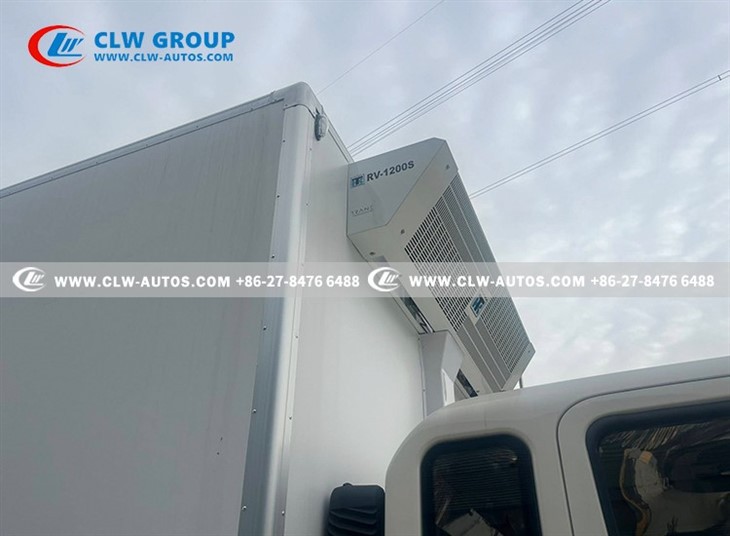
Inspect the refrigeration unit once more. Check for any signs of wear or damage that may have occurred during transit or unloading. Replace any worn - out parts and perform routine maintenance tasks such as oil changes and filter replacements.
Safety Tips for Loading and Unloading
- Training: All personnel involved in the loading and unloading process should receive proper training. This includes forklift operators, loaders, and anyone else who may interact with the refrigerated trailer. Training should cover safety procedures, equipment operation, and emergency response.
- Personal Protective Equipment (PPE): Wear appropriate PPE, such as gloves, safety shoes, and hard hats. This helps to protect the workers from injuries that may occur during the loading and unloading process.
- Emergency Preparedness: Have an emergency plan in place for situations such as equipment malfunctions, spills, or accidents. Ensure that all workers are familiar with the emergency procedures and that the necessary safety equipment, such as fire extinguishers and first - aid kits, is readily available.
- Compliance: Adhere to all relevant safety regulations and standards. This includes local, national, and international regulations regarding the transportation of temperature - sensitive goods.
Related Products
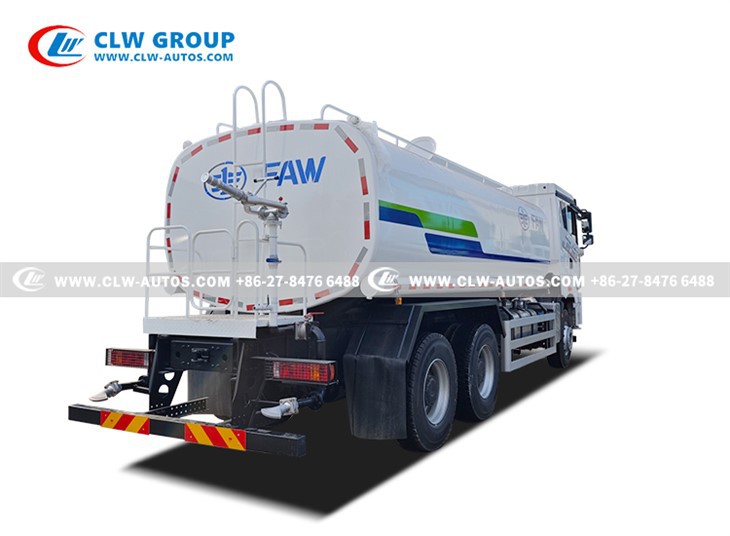
In addition to refrigerated trailers, we also offer a range of other high - quality vehicles. For example, the FOTON 5000Liters Fuel/Oil Transport Tank Truck is perfect for transporting fuel and oil safely and efficiently. Our FAW Municipal Water Truck is great for municipal cleaning and water supply tasks. And if you need a smaller refrigerated vehicle, the 10Tons HOWO Reefer Truck is an excellent option.
Conclusion
Loading and unloading a refrigerated trailer safely requires careful planning, proper equipment, and well - trained personnel. By following the steps outlined in this blog, you can minimize the risks associated with these processes and ensure the quality of the temperature - sensitive goods being transported. Whether you are a logistics company, a food supplier, or anyone else in need of refrigerated transportation, we are here to provide you with high - quality refrigerated trailers and related services.
If you are interested in purchasing our refrigerated trailers or any of our other products, we encourage you to reach out to us for procurement discussions. Our team of experts is ready to assist you in finding the best solutions for your needs.
References
- American Trucking Associations. (2023). Best Practices for Refrigerated Freight Transportation.
- Occupational Safety and Health Administration. (2023). Safety Guidelines for Forklift Operations.
- International Association of Refrigerated Transportation. (2023). Standards for Refrigerated Trailer Maintenance.