


Hey there! As a supplier of LPG storage tanks, I often get asked about how to measure the remaining LPG in a storage tank. It's a crucial question, especially for businesses and households that rely on LPG for various purposes. In this blog, I'll share some common methods and considerations for measuring the remaining LPG in a storage tank.
Why Measuring Remaining LPG is Important
First off, let's talk about why it's so important to know how much LPG is left in your tank. For businesses, running out of LPG can disrupt operations. Imagine a restaurant that uses LPG for cooking suddenly running out during peak hours – it would be a disaster! For households, it can mean no hot water or no way to cook meals. Plus, by accurately measuring the remaining LPG, you can plan your refills better, avoid unnecessary costs, and ensure a continuous supply of gas.
Common Methods of Measuring Remaining LPG
1. Float Gauges
Float gauges are one of the most common and straightforward ways to measure the remaining LPG in a tank. These gauges work on a simple principle. There's a float inside the tank that rises and falls with the level of the LPG. The float is connected to a rod, which in turn is connected to a gauge on the outside of the tank. As the LPG level changes, the float moves, and the gauge shows the corresponding level.
The advantage of float gauges is that they're relatively inexpensive and easy to install. You can usually find them on smaller LPG storage tanks, like the ones used in households for cooking. However, they do have some limitations. For example, they might not be as accurate in tanks with irregular shapes or in tanks that are subject to a lot of movement, like those on mobile 10CBM 5MT LPG Storage Tanker.
2. Ultrasonic Level Sensors
Ultrasonic level sensors are a more advanced option. These sensors work by emitting ultrasonic waves into the tank. The waves bounce off the surface of the LPG and return to the sensor. By measuring the time it takes for the waves to return, the sensor can calculate the distance to the LPG surface and thus determine the level of the LPG in the tank.
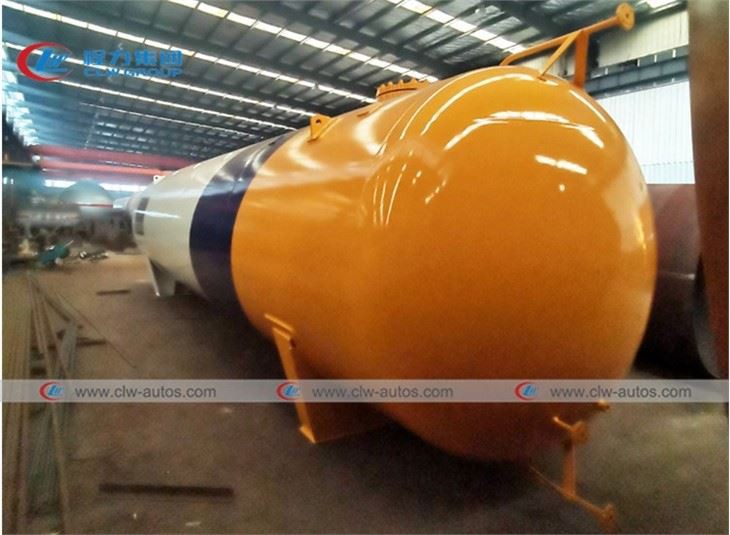
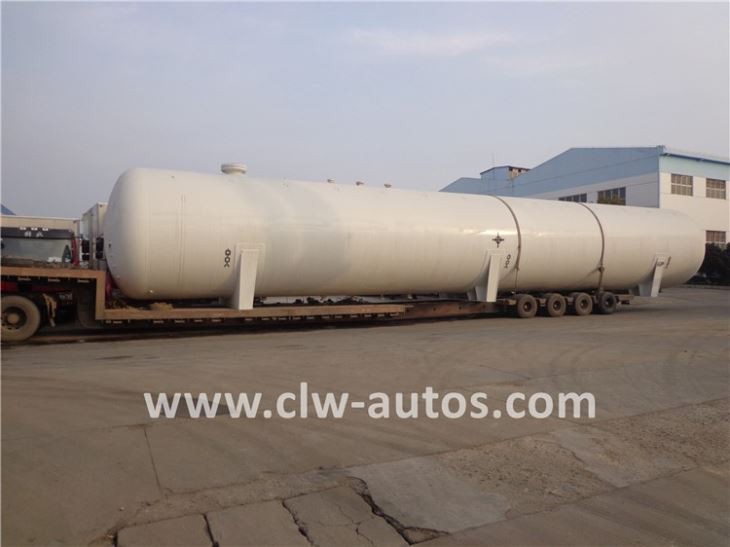
One of the big advantages of ultrasonic level sensors is their accuracy. They can provide very precise measurements, even in tanks with complex shapes. They're also non - intrusive, which means they don't need to be in direct contact with the LPG. This makes them suitable for a wide range of applications, including large industrial 30,000Liters 15Tons LPG Gas Tank. However, they're more expensive than float gauges and require some technical expertise to install and maintain.
3. Pressure Sensors
Pressure sensors can also be used to measure the remaining LPG in a tank. LPG is stored in a tank under pressure. As the amount of LPG in the tank decreases, the pressure also changes. By measuring the pressure inside the tank, you can get an idea of how much LPG is left.
The main advantage of pressure sensors is that they're relatively simple and can be integrated into existing tank systems easily. However, pressure can be affected by factors other than the amount of LPG, such as temperature. So, the readings from pressure sensors might not always be 100% accurate.
Considerations When Measuring Remaining LPG
1. Tank Shape and Size
The shape and size of the tank can have a big impact on the accuracy of the measurement method you choose. For example, as I mentioned earlier, float gauges might not work well in tanks with irregular shapes. On the other hand, large tanks might require more sophisticated measurement methods, like ultrasonic level sensors, to ensure accurate readings.
2. Temperature
Temperature can also affect the measurement of LPG levels. LPG expands and contracts with changes in temperature. So, if you're using a method that relies on measuring the volume or pressure of the LPG, you need to take temperature into account. Some advanced measurement systems can automatically compensate for temperature changes to provide more accurate readings.
3. Safety
Safety is always a top priority when dealing with LPG. When installing and using measurement devices, make sure they're designed to work safely in a flammable environment. For example, if you're using electrical sensors, they should be properly grounded and have the necessary safety certifications.
Choosing the Right Measurement Method for Your LPG Storage Tank
When it comes to choosing the right measurement method for your LPG storage tank, there's no one - size - fits - all solution. You need to consider your specific needs, the size and shape of your tank, your budget, and the level of accuracy you require.
If you have a small household tank and you just need a rough idea of how much LPG is left, a float gauge might be sufficient. It's inexpensive and easy to use. But if you have a large industrial tank or you need very accurate measurements for critical applications, you might want to invest in an ultrasonic level sensor.
Our LPG Storage Tanks and Measurement Solutions
At our company, we offer a wide range of Asme Standard LPG Storage Tank that can be equipped with different measurement systems. Whether you need a small tank for your home or a large tank for your business, we can provide you with the right solution. Our tanks are built to the highest standards of quality and safety, and we can help you choose the best measurement method for your specific needs.
If you're in the market for an LPG storage tank or need to upgrade your existing measurement system, don't hesitate to get in touch with us. We're here to answer all your questions and help you make the right choice. Whether you're a small business owner or a large industrial operator, we can provide you with the products and services you need to ensure a reliable supply of LPG.
Conclusion
Measuring the remaining LPG in a storage tank is an important task that can help you manage your gas supply more effectively. There are several methods available, each with its own advantages and limitations. By considering factors like tank shape, size, temperature, and safety, you can choose the right measurement method for your needs. And if you're looking for high - quality LPG storage tanks and measurement solutions, we're here to assist you. Get in touch with us today to start the conversation about your LPG storage requirements.
References
- "LPG Storage and Handling Guidelines," Industry Standards Publication
- "Measurement Techniques for Liquefied Petroleum Gas," Journal of Energy Management