


As an LPG tank supplier, I often get asked about the replacement frequency of safety valves on LPG tanks. It's a crucial question because the safety valve is a key component in ensuring the safe operation of LPG tanks.
Let's first understand what a safety valve on an LPG tank does. The safety valve is designed to release excess pressure from the tank. LPG is stored under pressure, and if something goes wrong - like a sudden increase in temperature or a malfunction in the tank's pressure - the safety valve acts as a safeguard. It opens up and lets out the extra gas, preventing the tank from potentially exploding.
Now, onto the big question: how often should these safety valves be replaced? Well, there isn't a one - size - fits - all answer. It depends on several factors.
-
Manufacturer's Recommendations
Most manufacturers of LPG tanks and safety valves will provide guidelines on replacement intervals. These recommendations are based on extensive testing and engineering. Usually, they suggest replacing the safety valve every 5 to 10 years. The manufacturers have done the research on the materials, the design, and how they hold up over time. So, it's a good starting point to check the documentation that came with your tank. If you've lost that, you can often find the information on the manufacturer's website. It's really important to follow these guidelines because they are tailored to the specific product. -
Usage Frequency
The more an LPG tank is used, the more stress is put on its components, including the safety valve. If you're running a commercial operation where the tank is being filled and emptied regularly - say, in a busy restaurant kitchen or a large industrial facility - the safety valve will experience more wear and tear. In these cases, it might be a good idea to replace it closer to the 5 - year mark. On the other hand, if it's a residential tank that is only used seasonally for a gas grill, the valve might last closer to the 10 - year limit. -
Environmental Conditions
The environment where the LPG tank is located can also have a big impact. If the tank is exposed to harsh weather conditions, like extreme heat, cold, or high humidity, it can speed up the deterioration of the safety valve. Saltwater environments, such as those near the ocean, can cause corrosion. And if the area has a lot of dust or pollutants in the air, it can clog the valve over time. For example, if you have an LPG tank on a boat or a coastal property, you may want to inspect and potentially replace the safety valve more often, perhaps every 4 to 6 years. -
Maintenance and Inspection
Regular maintenance and inspection of the safety valve can extend its lifespan. If you have a professional check the valve periodically (at least once a year is a good rule of thumb), they can spot any signs of wear, corrosion, or malfunction early. Simple maintenance tasks like cleaning the valve and checking for leaks can make a big difference. If any problems are found during the inspection, it might be necessary to replace the valve right away, regardless of its age.
Let me give you a real - world example. I had a client who owned a small catering business. They were using an LPG tank for their cooking equipment. They followed the manufacturer's recommendation of a 7 - year replacement for the safety valve, but they also had the valve inspected every year. During the third - year inspection, the technician noticed some minor corrosion in the valve. Instead of waiting for the full 7 years, they decided to replace it right then. This probably saved them from a potentially dangerous situation down the road.
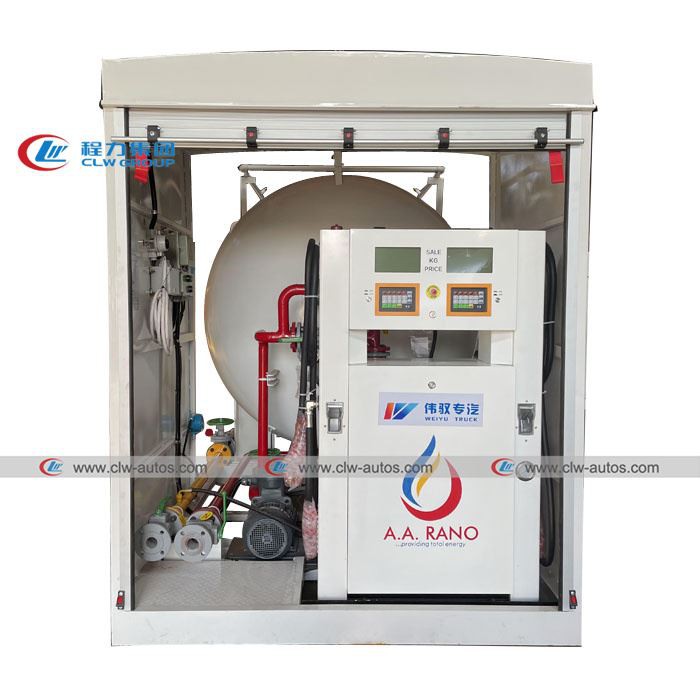
Now, if you're in the market for LPG tanks or related equipment, we've got some great options. Check out our Digital LPG Gas Cooking Cylinder Refilling Scales. These scales are super accurate and make the refilling process a breeze. And for larger operations, our 10,000L 5MT LPG Gas Filling Skid Station is a great investment. It's efficient and reliable, ensuring a smooth gas - filling process. If you need to transport LPG, our 4X4 Off Road LPG Gas Cylinder Bottling Truck 5000L is built to handle tough terrains and keep your gas safe.
So, if you're thinking about purchasing LPG tanks, accessories, or need advice on safety valve replacement, don't hesitate to get in touch. Our team of experts is always ready to help you make the right decisions for your LPG needs. Whether you're a homeowner looking for a small tank or a business owner in need of industrial - scale equipment, we've got you covered.
In conclusion, determining how often to replace the safety valve on an LPG tank is a complex decision that depends on multiple factors. By considering the manufacturer's recommendations, usage frequency, environmental conditions, and regular maintenance, you can keep your LPG tank operating safely for years to come. And remember, when it's time to upgrade or buy new LPG equipment, we're here to offer the best products and support.
References:
- Industry standards and guidelines for LPG tank safety
- Manufacturer documentation for LPG tanks and safety valves