


Hey there! As a road sweeper supplier, I've seen firsthand the challenges that come with keeping dust from flying during road sweeper operations. Dust can be a real nuisance, not only for the operators but also for the environment and nearby communities. In this blog post, I'm going to share some tips and tricks on how to prevent dust from flying during the operation of a road sweeper.
Understanding the Problem
Before we dive into the solutions, let's first understand why dust is such a problem during road sweeper operations. When a road sweeper moves along the road, it stirs up dust and debris from the surface. This dust can then become airborne and spread over a wide area, causing respiratory problems for people in the vicinity, reducing visibility, and even contributing to air pollution.
Choose the Right Road Sweeper
One of the first steps in preventing dust from flying is to choose the right road sweeper for the job. There are different types of road sweepers available on the market, each with its own features and capabilities. For example, some road sweepers are equipped with water spraying systems that can help to suppress dust. These systems work by spraying a fine mist of water onto the road surface, which helps to weigh down the dust particles and prevent them from becoming airborne.
When selecting a road sweeper, look for models that have a high-quality dust collection system. A good dust collection system will be able to capture and contain the dust and debris that is picked up by the sweeper. This can help to reduce the amount of dust that is released into the air. For instance, some road sweepers use cyclone separators or filters to trap dust particles.
Use Water Spraying Systems Effectively
If your road sweeper is equipped with a water spraying system, it's important to use it effectively. Make sure that the water pressure and flow rate are set correctly. Too little water may not be enough to suppress the dust, while too much water can create a mess and cause other problems.
The timing of water spraying also matters. Start the water spraying system a few seconds before the sweeper starts moving and keep it running throughout the operation. This will ensure that the road surface is constantly moistened, reducing the chances of dust flying up. Additionally, adjust the spray pattern according to the width of the road and the amount of dust. Some road sweepers allow you to control the direction and angle of the water spray, which can be very useful in different situations.
Maintain the Road Sweeper Regularly
Regular maintenance of the road sweeper is crucial for preventing dust from flying. Check the brushes, filters, and other components of the sweeper on a regular basis. Worn-out brushes may not be able to pick up dust and debris effectively, which can lead to more dust being left on the road and potentially becoming airborne.
Replace the filters as recommended by the manufacturer. Clogged filters can reduce the efficiency of the dust collection system, allowing dust to escape. Also, make sure that the water tank is clean and free of debris. A dirty water tank can contaminate the water used for spraying, which may not be as effective in suppressing dust.
Optimize the Sweeping Route
Another way to prevent dust from flying is to optimize the sweeping route. Try to avoid sweeping in windy conditions, as wind can carry the dust over a larger area. If possible, schedule the sweeping operations for early morning or late evening when the wind is usually calmer.
Plan the route in a way that minimizes the amount of time the sweeper spends in areas with high dust concentrations. For example, if there are construction sites or areas with a lot of loose dirt nearby, you may want to approach these areas carefully and use additional dust suppression measures.
Train the Operators
Proper training of the road sweeper operators is essential. Operators should be aware of the importance of preventing dust from flying and know how to use the road sweeper's features effectively. They should be trained on how to adjust the water spraying system, maintain the sweeper, and follow the optimized sweeping route.
Training should also include safety procedures in case of dust-related issues. For example, operators should know how to protect themselves from inhaling dust and what to do if there is a sudden increase in dust levels.
Additional Equipment and Accessories
In some cases, you may want to consider using additional equipment and accessories to prevent dust from flying. For example, you can use dust curtains or barriers around the road sweeper. These can help to contain the dust and prevent it from spreading to other areas.
Another option is to use dust suppressants that can be applied to the road surface. These suppressants can help to bind the dust particles together, making them less likely to become airborne. However, make sure to choose environmentally friendly dust suppressants that do not cause any harm to the environment or the road surface.
Related Products for Road Cleaning
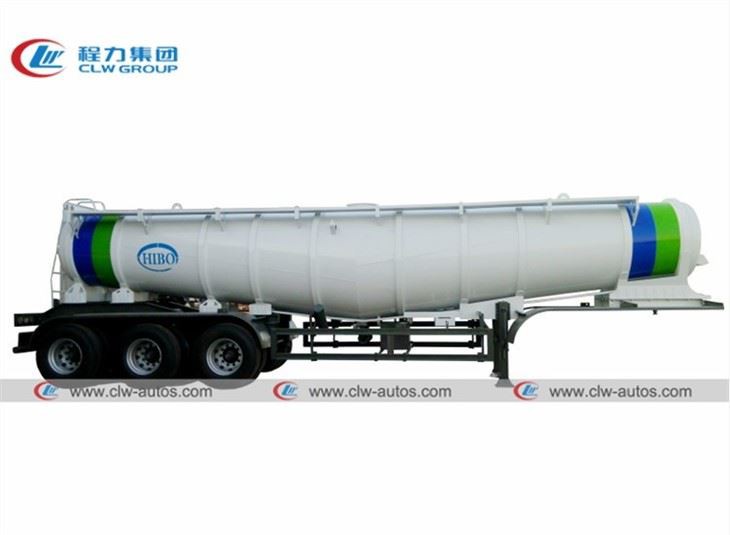
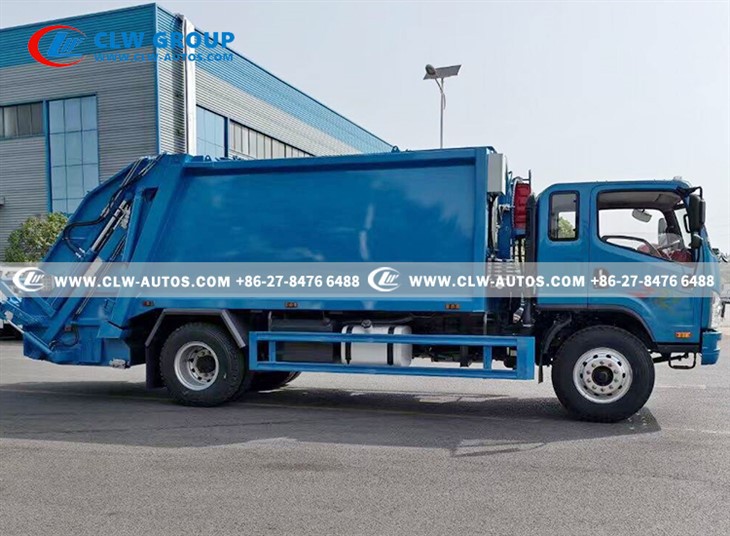
If you're in the market for other vehicles related to road cleaning and waste management, we also offer a range of high - quality products. For example, we have the Zambia V-Shape 19M3 Sulfuric Acid Tank Semi Trailer, which is great for transporting chemicals safely. Also, our ISUZU 700P 5Ton Cargo Truck can be used for carrying various materials during road construction or cleaning projects. And for waste disposal, the FAW 14m3 Compactor Garbage Truck is a reliable choice.
Contact Us for Purchasing
If you're interested in purchasing a road sweeper or any of our other products, we'd love to hear from you. We can provide you with detailed information about our products, including their features, specifications, and pricing. Whether you're a small - scale cleaning company or a large municipality, we have the right solutions for your needs. Don't hesitate to reach out and start a conversation about your requirements.
References
- "Road Sweeper Operation and Maintenance Guide", Industry Publication
- "Dust Suppression Techniques in Road Cleaning", Environmental Research Journal