


As a supplier of LPG tanks, I often receive inquiries from various industries regarding the suitability of our products for different applications. One question that has come up frequently is whether an LPG tank can be used in a marine environment. This blog post aims to delve into this topic in detail, weighing the pros and cons, discussing the necessary considerations, and providing insights from a supplier's perspective.
Understanding LPG Tanks
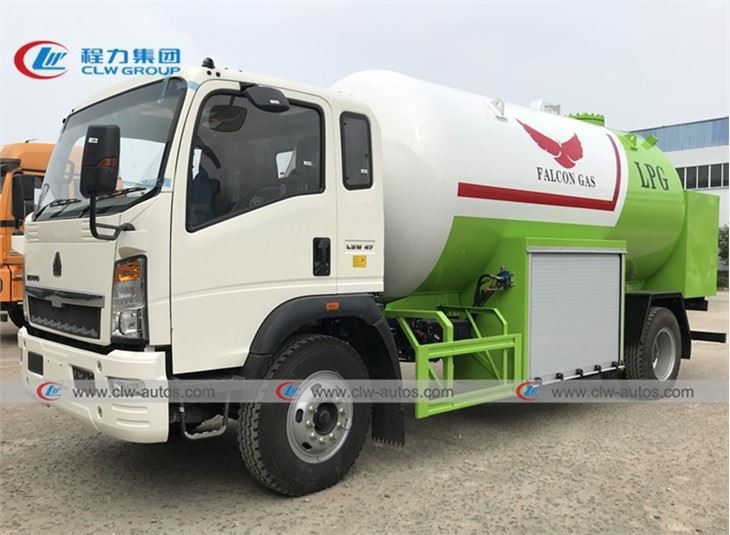
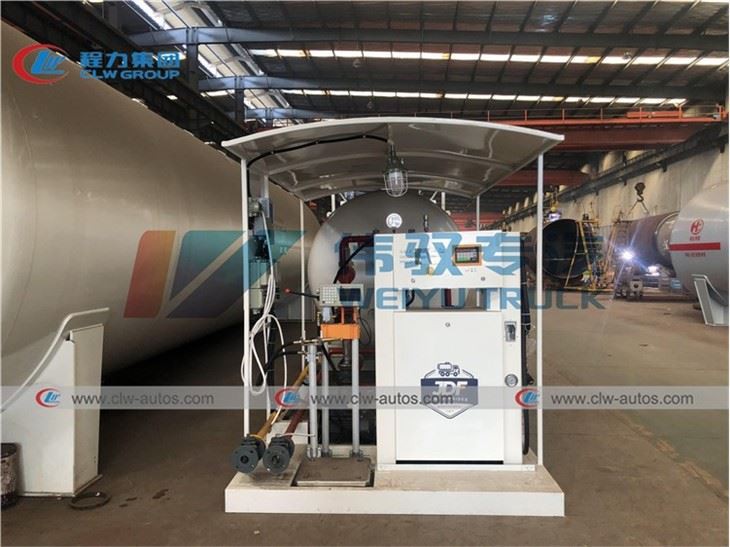
LPG, or liquefied petroleum gas, is a flammable mixture of hydrocarbon gases. LPG tanks are designed to store and transport this gas under pressure. These tanks come in various shapes, sizes, and configurations, such as the 49.6CBM LPG Semi Trailer, the HOWO RHD 15000L LPG Tank Bobtail Truck, and the 10MT 20,000L LPG Skid Filling Station with Dispenser. They are typically made of steel or aluminum, which are strong and durable materials capable of withstanding the high pressures associated with LPG storage.
Advantages of Using LPG Tanks in a Marine Environment
Energy Efficiency
LPG is a highly energy - efficient fuel. In a marine environment, where energy consumption is a significant concern, using LPG can result in cost savings. It provides a high heat output, which can be used for various on - board applications such as heating, cooking, and powering certain types of engines.
Reduced Emissions
Compared to some traditional marine fuels, LPG burns cleaner. It produces fewer pollutants such as sulfur oxides (SOx), nitrogen oxides (NOx), and particulate matter. In an era where environmental regulations are becoming increasingly stringent, using LPG in marine vessels can help operators meet these requirements.
Availability
LPG is widely available in many ports around the world. This makes it a convenient fuel option for marine vessels, as they can easily refuel during their voyages.
Challenges of Using LPG Tanks in a Marine Environment
Corrosion
One of the most significant challenges in using LPG tanks in a marine environment is corrosion. The marine environment is highly corrosive due to the presence of saltwater, humidity, and oxygen. Over time, the metal of the LPG tank can corrode, which can weaken the tank structure and potentially lead to leaks or failures.
Safety Regulations
Marine safety regulations are strict when it comes to the use of flammable substances like LPG. Vessels must comply with international and national regulations regarding the storage, handling, and use of LPG. This includes proper ventilation systems, fire - prevention measures, and regular inspections.
Installation and Space Constraints
Installing an LPG tank on a marine vessel requires careful planning. There are space constraints on most vessels, and the tank must be installed in a location that is both secure and accessible for maintenance and refueling. Additionally, the installation must be carried out by qualified professionals to ensure safety.
Considerations for Using LPG Tanks in a Marine Environment
Material Selection
To combat corrosion, it is crucial to choose the right material for the LPG tank. Stainless steel is a popular choice due to its high corrosion resistance. Additionally, coatings can be applied to the tank to provide an extra layer of protection against the harsh marine environment.
Regular Inspections and Maintenance
Regular inspections and maintenance are essential to ensure the safe operation of LPG tanks in a marine environment. Inspections should include checking for signs of corrosion, leaks, and damage to the tank structure. Maintenance may involve repainting the tank, replacing seals and gaskets, and conducting pressure tests.
Compliance with Regulations
Marine operators must ensure that they are fully compliant with all relevant safety regulations. This includes obtaining the necessary permits and certifications for the installation and use of LPG tanks on their vessels. Working with a knowledgeable supplier can help ensure that all regulations are met.
Our Role as an LPG Tank Supplier
As an LPG tank supplier, we understand the unique challenges and requirements of using our products in a marine environment. We offer a range of LPG tanks that are specifically designed and built to withstand the harsh conditions of the sea.
Our team of experts can provide guidance on material selection, installation, and maintenance. We can also assist in ensuring that our customers' vessels meet all relevant safety regulations. Whether you need a small tank for a pleasure craft or a large tank for a commercial vessel, we have the right solution for you.
Conclusion
In conclusion, while using an LPG tank in a marine environment presents certain challenges, it is indeed possible with proper planning, material selection, and maintenance. The advantages of energy efficiency, reduced emissions, and availability make LPG an attractive option for marine applications.
If you are considering using an LPG tank in a marine environment, we invite you to contact us for more information. Our experienced team can help you select the right tank for your needs and ensure a safe and efficient installation. We are committed to providing high - quality products and exceptional customer service to all our clients.
References
- International Maritime Organization (IMO) - Safety regulations for flammable substances on vessels
- American Bureau of Shipping (ABS) - Standards for the design and construction of marine equipment
- National Fire Protection Association (NFPA) - Codes and standards for the storage and handling of LPG.