


As a seasoned supplier for LPG stations, I've witnessed firsthand the critical importance of maintaining LPG pipelines. Liquefied Petroleum Gas (LPG) is a highly flammable and potentially hazardous substance, so proper pipeline maintenance is not just a regulatory requirement but a matter of safety and operational efficiency. In this blog, I'll share some of the best practices and strategies that LPG stations can adopt to keep their pipelines in top - notch condition.
Regular Inspections
The foundation of pipeline maintenance is regular inspections. These can be divided into visual inspections and more in - depth non - destructive testing (NDT). Visual inspections are the first line of defense. Trained personnel should walk the length of the pipelines on a scheduled basis, looking for obvious signs of damage such as leaks, corrosion, or physical deformation. Any abnormal signs, such as wet spots, discoloration, or unusual odors, should be investigated immediately.
Non - destructive testing methods, on the other hand, provide a more detailed view of the pipeline's internal and external condition. Techniques like ultrasonic testing can detect internal corrosion and wall thickness variations without damaging the pipeline. Magnetic particle testing is useful for detecting surface and near - surface cracks in ferromagnetic materials. Eddy current testing can identify flaws in non - ferromagnetic materials and is often used for detecting corrosion in thin - walled pipes.
Corrosion Prevention
Corrosion is one of the biggest threats to LPG pipelines. It can weaken the pipeline walls, leading to leaks and potentially catastrophic failures. There are several ways to prevent corrosion. One of the most common methods is the application of protective coatings. These coatings act as a barrier between the pipeline and the surrounding environment, preventing moisture and corrosive substances from coming into contact with the metal surface.
Cathodic protection is another effective corrosion prevention technique. It involves the use of sacrificial anodes or impressed current systems to make the pipeline the cathode in an electrochemical cell. This way, the corrosion process is redirected to the sacrificial anode, protecting the pipeline from corrosion. Regular monitoring of the cathodic protection system is essential to ensure its effectiveness.
Pressure Testing
Pressure testing is a crucial part of pipeline maintenance. It helps to ensure that the pipeline can withstand the operating pressure without leaking or failing. There are two main types of pressure tests: hydrostatic testing and pneumatic testing.
Hydrostatic testing involves filling the pipeline with water and pressurizing it to a specified level for a set period. This method is preferred because water is relatively incompressible, and any leaks can be easily detected. Pneumatic testing, on the other hand, uses air or gas to pressurize the pipeline. While it is faster and more convenient in some cases, it is also more dangerous because of the potential for a sudden and explosive release of energy if a failure occurs.
Valve and Fitting Maintenance
Valves and fittings are critical components of the LPG pipeline system. They control the flow of gas, isolate sections of the pipeline for maintenance, and prevent backflow. Regular maintenance of valves and fittings is essential to ensure their proper operation.
Valves should be lubricated regularly to prevent sticking and ensure smooth operation. They should also be inspected for leaks, and any worn or damaged parts should be replaced immediately. Fittings, such as flanges and couplings, should be checked for tightness and signs of corrosion or damage.
Emergency Response Planning
Despite all the preventive measures, emergencies can still occur. That's why LPG stations need to have a comprehensive emergency response plan in place. This plan should include procedures for dealing with leaks, fires, and other potential hazards.
Training is a key part of emergency response planning. All personnel should be trained on how to recognize the signs of an emergency, how to activate the emergency response system, and how to perform basic first - aid and firefighting procedures. Regular drills should be conducted to ensure that everyone is familiar with the emergency response plan and can act quickly and effectively in case of an emergency.
Use of Specialized Equipment
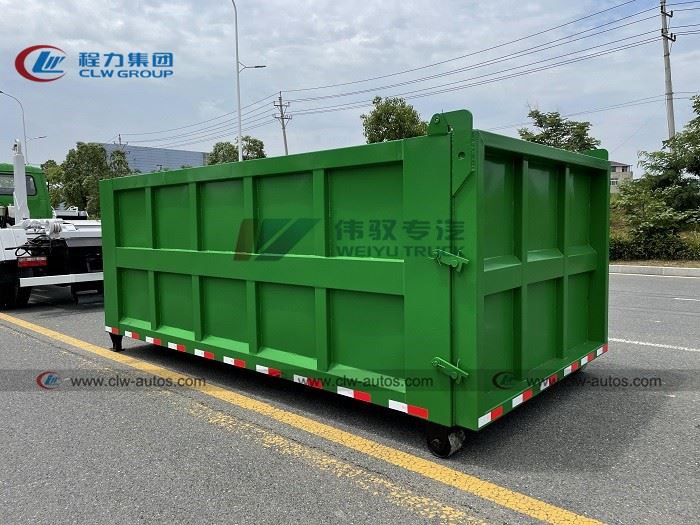
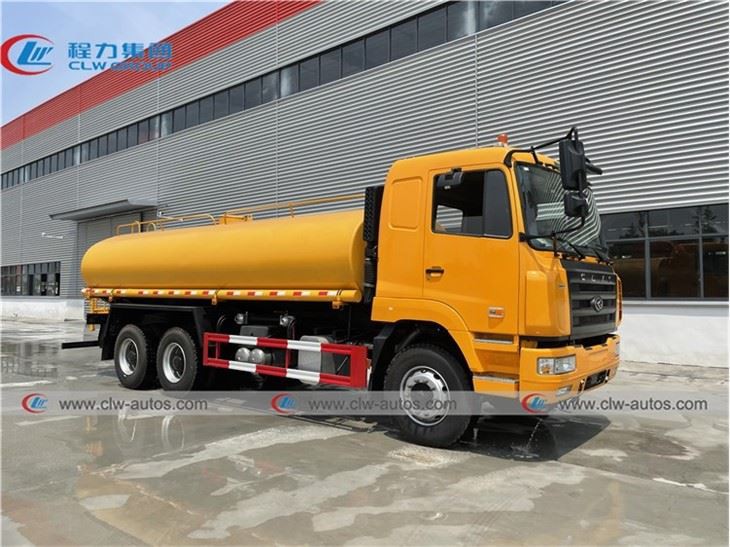
In the process of maintaining LPG pipelines, the use of specialized equipment can greatly improve efficiency and safety. For example, the CAMC 20tons Water Sprinkler Truck can be used for cleaning the area around the pipelines, removing dirt and debris that may cause corrosion or interfere with inspections. The Dongfeng 13,000L 13cbm Hydraulic Hook Lift Garbage Truck can be used to transport waste and debris generated during maintenance work. And the ISUZU 23m Aerial Work PlatformTruck can provide access to hard - to - reach areas of the pipelines for inspection and maintenance.
Staff Training and Development
The success of any pipeline maintenance program depends on the skills and knowledge of the staff. That's why continuous training and development are essential. Staff should be trained on the latest maintenance techniques, safety procedures, and regulatory requirements.
Training programs can include classroom instruction, on - the - job training, and online courses. Regular refresher courses should be provided to ensure that staff stay up - to - date with the latest developments in pipeline maintenance.
Documentation and Record - Keeping
Proper documentation and record - keeping are essential for pipeline maintenance. All inspections, tests, repairs, and maintenance activities should be documented in detail. This documentation can be used for regulatory compliance, as well as for tracking the history of the pipeline and identifying potential problems.
Records should include information such as the date of the inspection or maintenance activity, the type of test or repair performed, the results of the test, and the names of the personnel involved. This information can be used to generate reports and analyze trends, which can help in making informed decisions about future maintenance activities.
Conclusion
Maintaining LPG pipelines is a complex and ongoing process that requires a combination of regular inspections, corrosion prevention, pressure testing, valve and fitting maintenance, emergency response planning, the use of specialized equipment, staff training, and proper documentation. By following these best practices, LPG stations can ensure the safety and reliability of their pipeline systems.
If you are in the market for high - quality LPG station equipment or need professional advice on pipeline maintenance, I encourage you to reach out for a procurement discussion. We are committed to providing the best solutions to meet your needs and ensure the smooth operation of your LPG station.
References
- API RP 570, Inspection, Repair, Alteration, and Rerating of In - Service Piping Systems
- ASME B31.8, Gas Transmission and Distribution Piping Systems
- NACE International, Standards for Corrosion Control in the Oil and Gas Industry