


Hey there! As a supplier of LPG trailers, I've been asked tons of times about how these things are loaded and unloaded. So, let's dive right into it.
Loading Process
First off, safety is our top priority when it comes to loading LPG trailers. Before anything else, we thoroughly inspect the trailer. This includes checking the tank for any signs of damage, making sure all the valves are in good working condition, and verifying that the pressure relief systems are functioning properly. We don't take any chances here; a small oversight could lead to some serious issues.
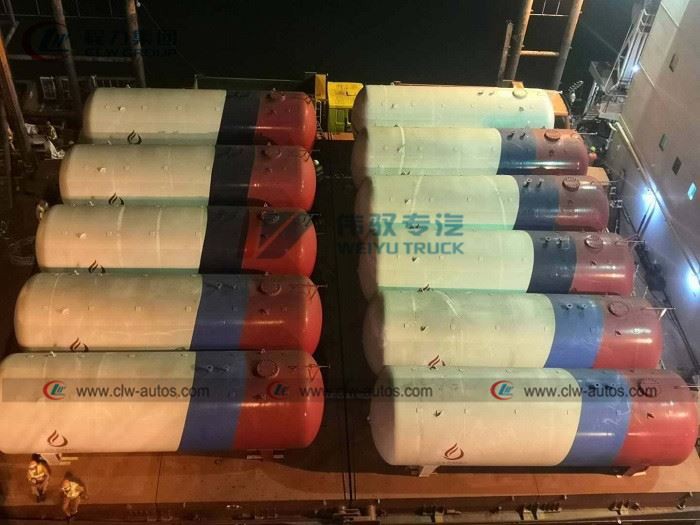
Once the inspection is complete, we connect the trailer to the loading source. This could be an 50,000L 25Tons LPG Storage Tank at a refinery or a storage facility. The connection is made using specialized hoses that are designed to handle the high - pressure and volatile nature of LPG. These hoses are fitted with quick - connect couplings to ensure a secure and leak - free connection.
Next, we start the transfer process. LPG is usually transferred from the storage source to the trailer via a pump. The pump creates the necessary pressure to move the LPG through the hoses and into the trailer's tank. During this process, we closely monitor the level of LPG in the tank. We use level gauges that are installed on the tank to keep track of how much LPG is being loaded. Overfilling is a big no - no as it can cause the pressure inside the tank to rise to dangerous levels.
We also have to keep an eye on the temperature and pressure during loading. LPG is a pressurized gas, and changes in temperature can affect its pressure. If the pressure gets too high, we have safety valves that will open to release some of the excess pressure. This helps to prevent any potential explosions or ruptures.
Another important aspect is the electrostatic discharge. LPG is highly flammable, and static electricity can create a spark that could ignite the gas. To prevent this, we use grounding cables that connect the trailer to the loading source. This helps to dissipate any static electricity that might build up during the loading process.
Unloading Process
The unloading process is just as important as loading. When it comes time to unload the LPG trailer, we again start with a safety check. We make sure that the trailer is parked in a well - ventilated area, away from any sources of ignition. This is crucial because even a small spark can set off a fire or explosion.
Similar to loading, we connect the trailer to the unloading destination. This could be a storage tank at a gas station or an industrial facility. Once the connection is made using the appropriate hoses, we open the valves on the trailer and the destination tank. The pressure difference between the trailer's tank and the destination tank helps to move the LPG from the trailer to the storage tank.
In some cases, we might need to use a pump to assist with the unloading process, especially if the pressure difference is not enough to move the LPG quickly. However, pumps are used carefully, and we still monitor the pressure and level of LPG during the entire process.
Just like during loading, we also pay attention to electrostatic discharge during unloading. We keep the grounding cables connected to prevent any static electricity build - up. And of course, we continuously check for any signs of leaks. If we detect a leak, we immediately stop the unloading process and take the necessary steps to fix it.
Equipment Used
The equipment used in loading and unloading LPG trailers is specifically designed for this task. The hoses are made of high - quality materials that can withstand the pressure and chemical properties of LPG. They are also regularly inspected for any signs of wear and tear.
The valves are another critical component. We use valves that can be easily opened and closed, and they are designed to provide a tight seal to prevent any leaks. The pressure gauges and level gauges are calibrated regularly to ensure accurate readings.
Our Role as a Supplier
As an LPG trailer supplier, we not only provide high - quality trailers but also offer guidance on the proper loading and unloading procedures. We understand that our customers rely on our trailers to transport LPG safely and efficiently.
We make sure that our trailers are equipped with all the necessary safety features. For example, our trailers come with advanced pressure relief systems and reliable valve mechanisms. We also offer training to our customers' staff on how to operate the trailers safely.
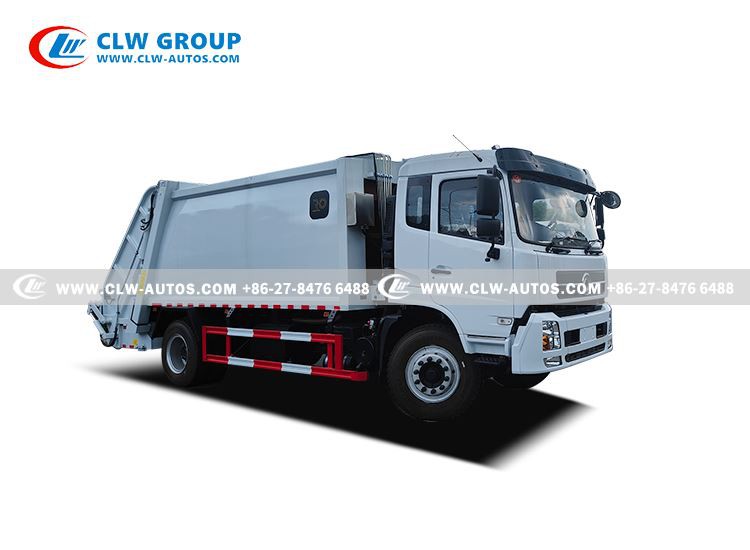
In addition to LPG trailers, we also have other types of trucks in our inventory. For instance, we have the Donfeng 10tong Waste Compression Truck, which is great for waste management, and the 4 Tons Refrigerated Van, perfect for transporting perishable goods.
If you're in the market for an LPG trailer or any of our other trucks, don't hesitate to reach out. We're here to help you find the right solution for your transportation needs. Whether you're a small - scale business or a large industrial company, we have the expertise and the products to meet your requirements.
Conclusion
Loading and unloading LPG trailers is a complex process that requires strict adherence to safety protocols and the use of specialized equipment. As a supplier, we're committed to ensuring that our customers have a smooth and safe experience when using our trailers. So, if you have any questions or are interested in purchasing an LPG trailer or any of our other trucks, get in touch with us. We're looking forward to working with you!
References
- Petroleum Safety Regulations Handbook
- LPG Handling and Transportation Guidelines