


Yo, fellow boat enthusiasts! As a supplier of LPG tanks, I've seen firsthand how these nifty little (or sometimes not - so - little) containers can make life on the water a whole lot more comfortable. But using an LPG tank on a boat isn't as straightforward as slapping it on deck and calling it a day. There are some special considerations that you've got to keep in mind to ensure safety and efficiency. Let's dive right in!
Safety First: Ventilation
One of the most critical things when using an LPG tank on a boat is proper ventilation. LPG is heavier than air, which means it can sink into the lowest parts of your boat, like bilges and lockers. If there's a leak, these areas can become a ticking time - bomb.
You need to make sure that your boat has adequate ventilation systems in place. This usually involves vents that allow fresh air to enter and any leaked gas to escape. For example, having vents near the floor level of your galley (where the LPG - powered stove is usually located) can help prevent gas buildup.
It's also a good idea to check these vents regularly. They can get blocked by debris, dirt, or even critters looking for a cozy place to nest. A blocked vent defeats the whole purpose of having one in the first place.
Installation: Get It Right
Installing an LPG tank on a boat isn't a DIY project for the faint - hearted. You've got to follow strict guidelines to ensure that the tank is secure and won't move around during rough seas.
First off, the tank should be installed in a well - ventilated, dedicated compartment. This compartment should be separate from other areas of the boat, especially sleeping quarters and storage areas for flammable materials.
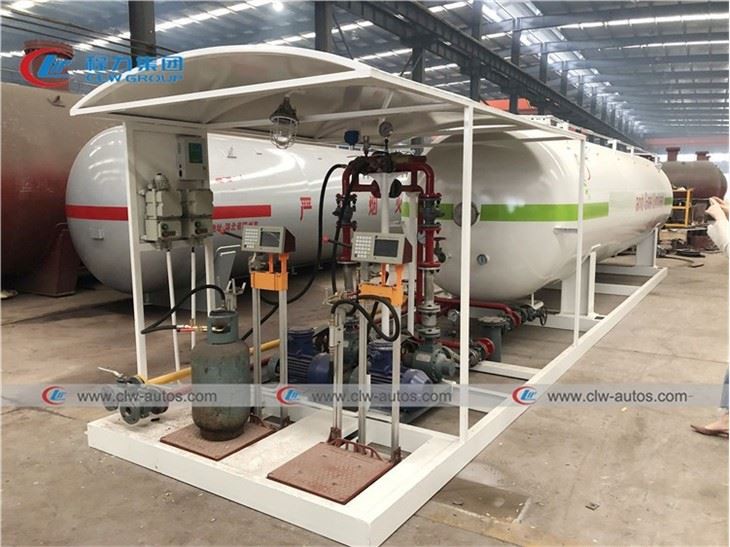
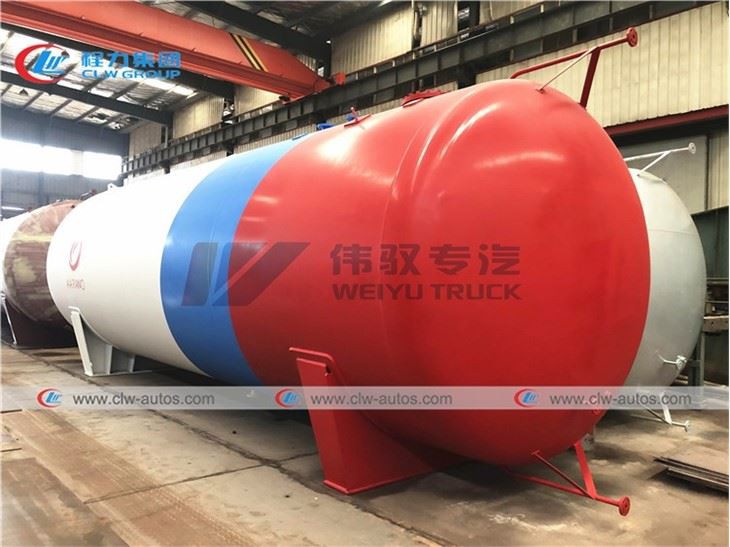
The tank needs to be firmly secured. You can use straps or brackets designed specifically for LPG tanks. Make sure that these securing mechanisms are in good condition and tightened properly. A loose tank can not only cause damage to your boat but also increase the risk of a leak if it gets jostled around.
Leak Detection: Be Vigilant
Leaks are the biggest threat when it comes to using LPG on a boat. Even a small leak can be dangerous, as LPG is highly flammable.
Invest in a good quality LPG leak detector. These devices can sense the presence of LPG in the air and give you an early warning if there's a problem. You should place these detectors in strategic locations around your boat, especially near the LPG tank and any appliances that use LPG.
But don't rely solely on the detector. You can also do some simple visual checks yourself. Look for signs of corrosion or damage on the tank, hoses, and connections. If you smell a faint, sweet odor (LPG has an added odorant so you can detect leaks), turn off the LPG supply immediately and start looking for the source of the leak.
Compatibility with Boat Appliances
Not all LPG - powered appliances are created equal, and not all of them will work well on a boat. When choosing appliances for your boat, make sure they are marine - rated.
Marine - rated appliances are designed to withstand the harsh conditions on a boat, including saltwater corrosion, vibration, and temperature changes. They also have safety features that are specific to boat use.
For example, a marine - rated LPG stove will have better flame control and will be less likely to tip over during rough seas. Using non - marine - rated appliances can not only be dangerous but also void your insurance in case of an accident.
Refilling: Know Your Options
When it's time to refill your LPG tank, you've got a few options. You can take your boat to a marina that has an LPG refilling station. This is usually the most convenient option, but not all marinas offer this service.
Another option is to use portable LPG cylinders that you can refill onshore and then bring back to your boat. This gives you more flexibility, but you've got to make sure that you handle these cylinders safely during transportation.
If you're looking for high - quality LPG refilling equipment, check out our Digital LPG Gas Cooking Cylinder Refilling Scales. These scales are accurate and reliable, making the refilling process a breeze.
Storage Capacity: Plan Ahead
Think about how much LPG you'll need for your trips. If you're going on a short weekend getaway, a smaller tank might be sufficient. But for longer voyages, you'll need a larger tank or multiple tanks.
We offer a range of LPG tanks with different storage capacities. For example, our LPG Filling Plant Tank 25Tons 50,000L is a great option for larger boats or commercial vessels. And if you're looking for a more compact solution, our 5Ton 10CBM Cylinder Filling LPG Gas Skid Station might be just what you need.
Maintenance: Keep It Up
Regular maintenance is key to ensuring the longevity and safety of your LPG tank. You should have your tank inspected by a professional at least once a year.
During the inspection, the professional will check for things like corrosion, valve functionality, and the integrity of the hoses and connections. They can also perform pressure tests to make sure that the tank is still in good working condition.
In between professional inspections, you can do some basic maintenance yourself. Keep the tank clean and dry, and check the hoses and connections for any signs of wear or damage.
Regulations: Stay Informed
There are a lot of regulations when it comes to using LPG on a boat. These regulations can vary depending on where you're boating - different countries and states have their own rules.
It's your responsibility to stay informed about these regulations. Ignorance is not an excuse, and violating these rules can result in hefty fines or even the impoundment of your boat.
Some common regulations include requirements for tank installation, ventilation, and the use of safety equipment. Make sure you do your research and follow the rules to stay on the right side of the law.
Conclusion
Using an LPG tank on a boat can greatly enhance your boating experience, but it comes with a lot of responsibilities. By following these special considerations, you can ensure that you're using your LPG tank safely and efficiently.
If you're in the market for an LPG tank or need more information about our products, don't hesitate to reach out. We're here to help you make the best choice for your boat. Whether you're a weekend warrior or a seasoned sailor, we've got the right LPG solutions for you.
Let's make your time on the water even better with our high - quality LPG tanks and equipment. Contact us today to start the conversation about your LPG needs.
References
- American Boat and Yacht Council (ABYC) Standards and Technical Information Reports
- National Fire Protection Association (NFPA) Codes for Marine LPG Systems
- Local boating regulations and guidelines