


What is the maximum filling level for an LPG storage tank?
As a trusted supplier of LPG storage tanks, understanding the maximum filling level for these tanks is crucial for both safety and efficiency. LPG, or liquefied petroleum gas, is a widely used fuel source due to its high energy content and clean - burning properties. However, improper filling of LPG storage tanks can lead to serious safety hazards, including leaks, explosions, and fires.
Factors Affecting the Maximum Filling Level
The maximum filling level of an LPG storage tank is determined by several factors. One of the primary factors is the thermal expansion of LPG. LPG expands when heated, and if a tank is filled to its maximum capacity and then subjected to an increase in temperature, the expanding gas can cause excessive pressure inside the tank. This pressure can exceed the tank's design limits, leading to a rupture or explosion.
Another factor is the tank's design and construction. Different types of LPG storage tanks have different maximum filling levels based on their shape, size, and materials. For example, horizontal cylindrical tanks and vertical spherical tanks may have different recommended filling levels. Additionally, the tank's structural integrity and the quality of its safety mechanisms, such as pressure relief valves, play a role in determining the maximum amount of LPG that can be safely stored.
The composition of the LPG also affects the maximum filling level. LPG is a mixture of propane and butane, and different mixtures have different expansion rates. Propane, for instance, has a higher vapor pressure and expands more readily than butane. Therefore, the proportions of propane and butane in the LPG can influence how much of the tank can be safely filled.
Industry Standards and Regulations
To ensure safety, various industry standards and regulations govern the maximum filling level of LPG storage tanks. These standards are designed to prevent over - filling and minimize the risk of accidents. In many countries, the maximum filling level for LPG storage tanks is typically set at 80 - 85% of the tank's total capacity.
This 80 - 85% rule provides a safety margin to account for the thermal expansion of the LPG. The remaining 15 - 20% of the tank's volume acts as a vapor space. When the LPG expands due to an increase in temperature, the vapor space allows the gas to expand without causing a dangerous increase in pressure.
For example, in the United States, the National Fire Protection Association (NFPA) and the Department of Transportation (DOT) have strict regulations regarding the filling of LPG storage tanks. These regulations are in place to protect the public, property, and the environment from the hazards associated with LPG storage and handling.
Our Products and Filling Level Considerations
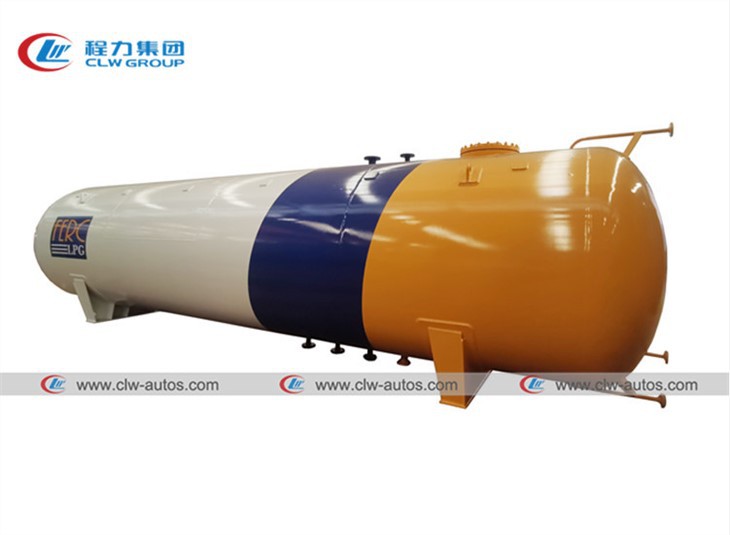
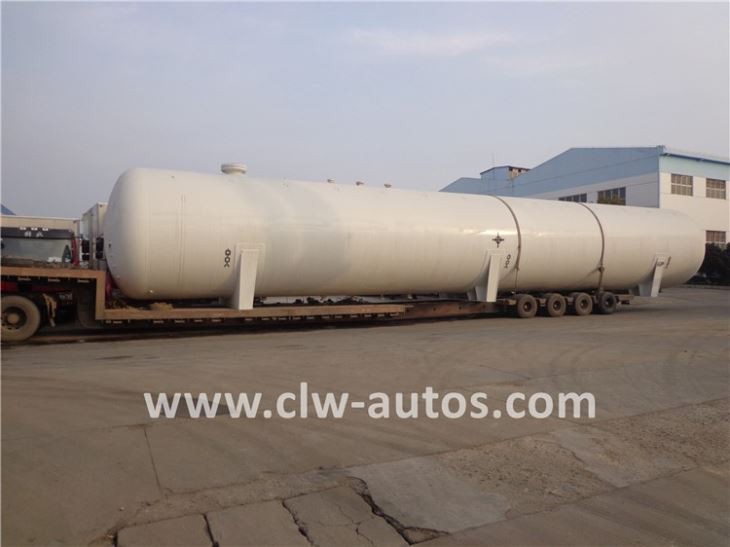
As an LPG storage tank supplier, we offer a range of high - quality tanks that are designed to meet and exceed industry standards. Our Asme Standard LPG Storage Tank is built to the rigorous ASME standards, ensuring its safety and reliability. When it comes to the maximum filling level, these tanks are designed with the appropriate safety margins in mind.
We also provide 10CBM 5MT LPG Storage Tanker and 30,000Liters 15Tons LPG Gas Tank. These tanks are engineered to handle the thermal expansion of LPG effectively. Our technical team can provide detailed guidance on the maximum filling levels for each of these products, taking into account factors such as local climate conditions and the specific composition of the LPG to be stored.
Importance of Proper Filling
Properly filling an LPG storage tank is not only a safety requirement but also an economic necessity. Over - filling can lead to costly repairs or replacements if the tank is damaged. It can also result in legal liabilities in the event of an accident. On the other hand, under - filling can be inefficient, as it means less product is available for use without fully utilizing the tank's capacity.
By following the recommended maximum filling levels, customers can ensure the long - term performance and safety of their LPG storage tanks. Our company offers training and support to help customers understand and implement proper filling practices. We also provide regular maintenance and inspection services to ensure that the tanks continue to operate safely and efficiently over their lifespan.
How to Determine the Filling Level
There are various methods to determine the filling level of an LPG storage tank. One common method is the use of float gauges. These gauges are installed inside the tank and float on the surface of the LPG. As the level of the LPG rises or falls, the float moves, and the position of the float is indicated on a scale outside the tank.
Another method is the use of ultrasonic sensors. Ultrasonic sensors work by sending sound waves through the tank and measuring the time it takes for the waves to bounce back from the surface of the LPG. This information is then used to calculate the level of the LPG in the tank.
Conclusion
In conclusion, the maximum filling level for an LPG storage tank is a critical consideration that is influenced by factors such as thermal expansion, tank design, and LPG composition. Industry standards generally recommend a maximum filling level of 80 - 85% to ensure safety.
As an LPG storage tank supplier, we are committed to providing our customers with high - quality tanks and expert advice on proper filling and maintenance. If you are in the market for reliable LPG storage solutions, we invite you to contact us to discuss your specific needs. Whether you require a small 10CBM 5MT LPG Storage Tanker or a large 30,000Liters 15Tons LPG Gas Tank, we have the expertise and products to meet your requirements. Let's work together to ensure the safe and efficient storage of your LPG.
References
- National Fire Protection Association (NFPA) codes related to LPG storage and handling.
- Department of Transportation (DOT) regulations for LPG storage tanks.
- ASME standards for pressure vessels.