
When transporting bitumen - also known as asphalt - regular tanker trucks just won't do the job. Bitumen is a viscous material derived from crude oil and is widely used in road construction. But here's the catch: bitumen must be kept at high temperatures to stay in a liquid, flowable state. That's why bitumen tankers are equipped with special heating systems.
Let's break down why these systems are critical and how they work.
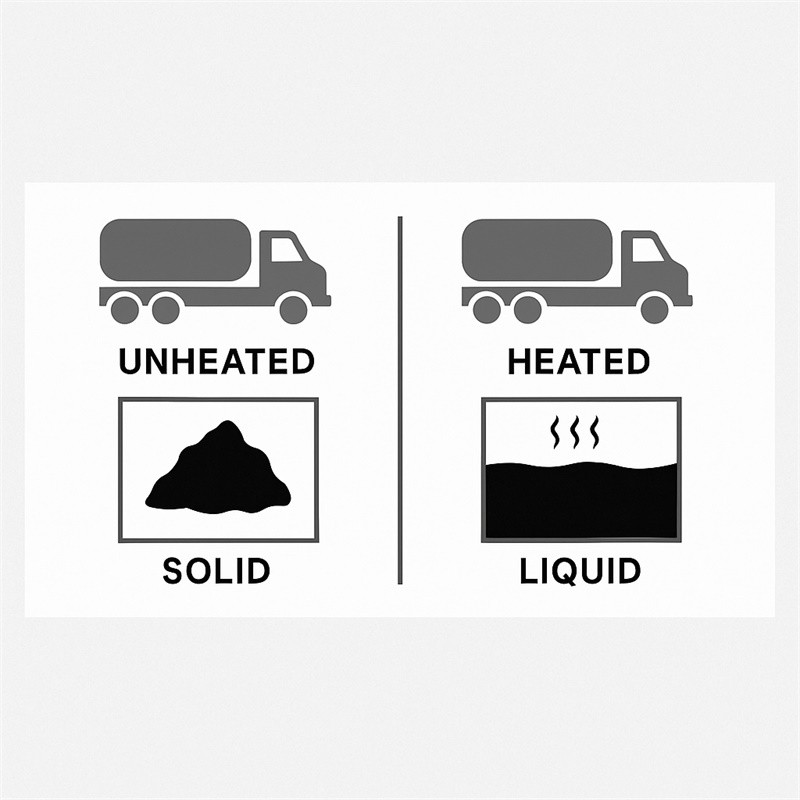
Bitumen solidifies quickly when it cools - often below 120°C. At room temperature, it turns into a thick, sticky solid that cannot be pumped or unloaded.
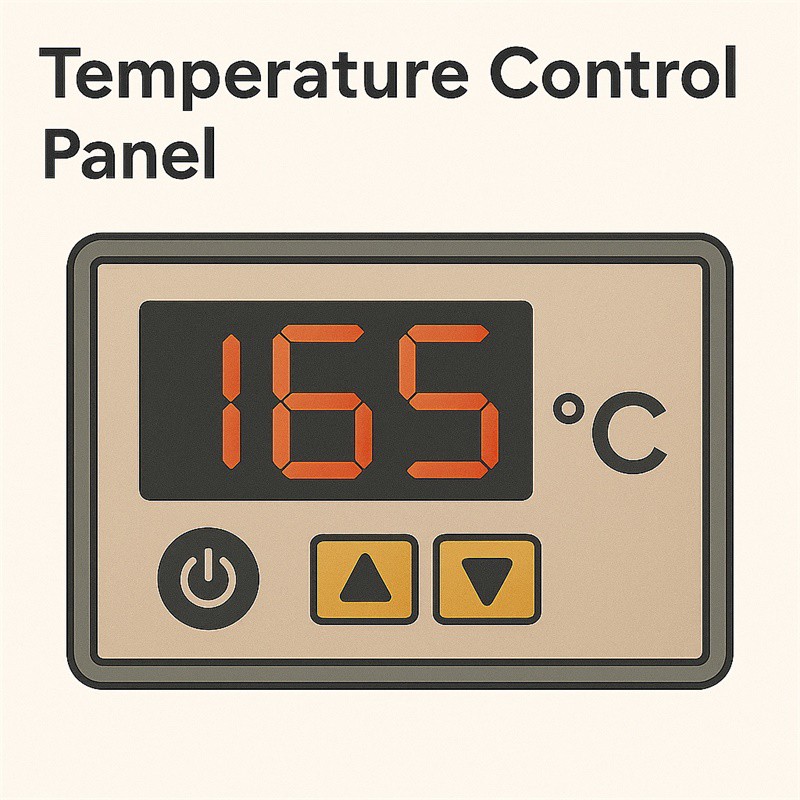
To keep bitumen usable during transport, the temperature must stay between 140°C and 180°C, depending on the grade. Without proper heating:
The bitumen becomes too thick to unload
It can block pipes and valves
It risks damaging pumps or causing delivery delays
That's why temperature control isn't optional - it's essential.
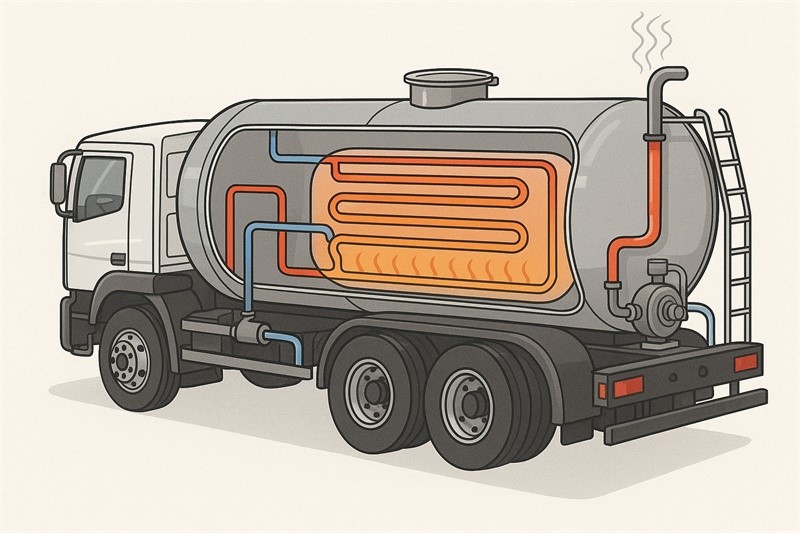
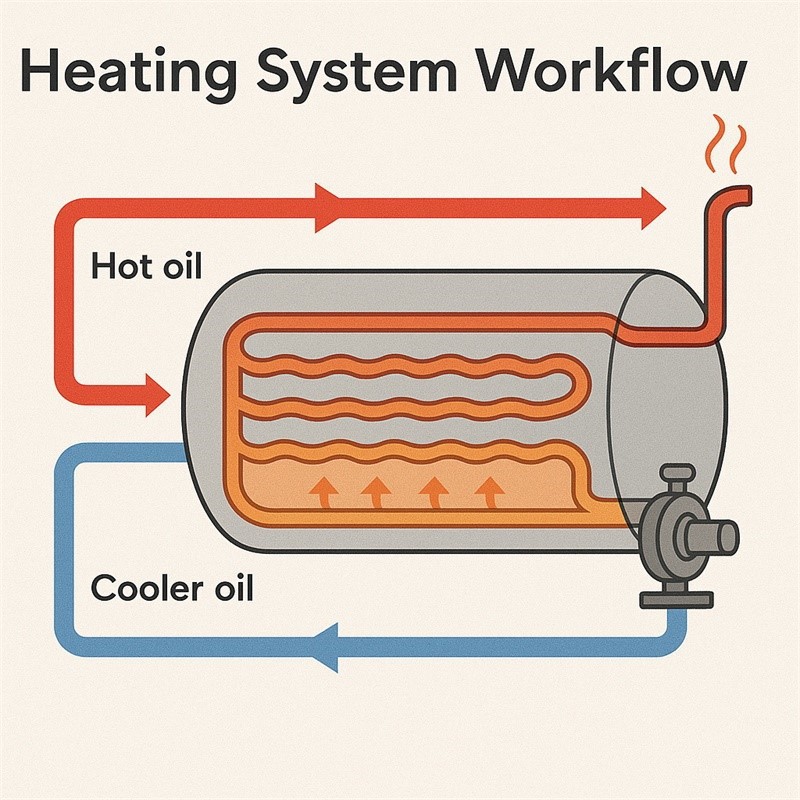
A burner heats thermal oil, which circulates around the tank to indirectly heat the bitumen.
🔄 This closed-loop system maintains stable temperature and avoids direct flame contact.
✅ Most common type for long-distance highway transport.
Ideal for short-range or urban distribution.
Lower maintenance but slower heat-up.
♻️ Sometimes powered by generators or external electric grid.
While not active heating, thermal insulation layers help retain heat for several hours.
Often used in combination with burners or electric systems.
Direct heating of bitumen can lead to local overheating, which causes:
Burning or charring of the bitumen
Release of harmful fumes
Damage to the tank wall
Hence, indirect heating using thermal oil systems is considered safer and more reliable.
In countries with long transport distances (e.g., Africa, Central Asia, Latin America), bitumen can cool too quickly if the heating system is weak or absent. That's why many importers prefer:
Thicker insulation
Double-burner systems
Auxiliary heating ports
Some even require real-time temperature monitoring systems onboard.
Bitumen tankers are not just regular tankers with black paint. They are engineered systems designed to handle a material that behaves very differently from water, fuel, or chemicals.
Without heating, bitumen transport would be slow, dangerous, and inefficient.
With it, roads get built - on time, and to spec.