


Improving the fuel economy of an LPG (Liquefied Petroleum Gas) truck is not only beneficial for reducing operational costs but also for minimizing environmental impact. As an LPG truck supplier, I understand the importance of helping our customers achieve better fuel efficiency. In this blog, I will share some practical tips and strategies that can significantly enhance the fuel economy of an LPG truck.
Regular Maintenance
One of the most fundamental aspects of improving fuel economy is regular maintenance. Just like any other vehicle, an LPG truck requires proper care to operate at its best. Here are some key maintenance tasks that can make a difference:
- Engine Tuning: Ensure that the engine is properly tuned to optimize fuel combustion. A well - tuned engine burns fuel more efficiently, reducing waste and improving mileage. This includes checking and adjusting the ignition timing, fuel injection system, and air - fuel ratio.
- Air Filter Replacement: A clogged air filter restricts the flow of air into the engine, causing it to work harder and consume more fuel. Replace the air filter at regular intervals as recommended by the manufacturer.
- Tire Pressure: Maintaining the correct tire pressure is crucial. Under - inflated tires increase rolling resistance, which means the engine has to work harder to move the truck. Check the tire pressure regularly and keep it at the recommended level.
Driving Habits
The way a driver operates an LPG truck can have a significant impact on fuel economy. Here are some driving habits that can help save fuel:
- Smooth Acceleration and Deceleration: Avoid rapid acceleration and hard braking. Sudden changes in speed waste fuel as the engine has to work harder to adjust. Instead, accelerate gradually and anticipate stops to slow down smoothly.
- Maintain a Steady Speed: Driving at a constant speed on highways can improve fuel efficiency. Use cruise control when possible to maintain a steady pace and avoid unnecessary speed fluctuations.
- Reduce Idling Time: Idling for extended periods consumes fuel without moving the vehicle. If you need to stop for more than a minute or two, turn off the engine.
Aerodynamics
The aerodynamics of an LPG truck can also affect its fuel economy. A more aerodynamic design reduces drag, allowing the truck to move through the air more easily. Here are some ways to improve aerodynamics:
- Remove Excess Accessories: Roof racks, spoilers, and other external accessories can increase drag. Remove any unnecessary items that are not essential for the truck's operation.
- Keep the Body Clean: A dirty truck body can disrupt the airflow around the vehicle, increasing drag. Regularly wash the truck to keep its surface smooth.
Load Management
The weight and distribution of the load in an LPG truck can impact fuel consumption. Here's how to manage the load effectively:
- Avoid Overloading: An overloaded truck requires more power to move, resulting in higher fuel consumption. Make sure to stay within the truck's recommended load capacity.
- Proper Load Distribution: Distribute the load evenly across the truck to ensure balanced handling and reduce stress on the engine.
Fuel Quality
Using high - quality LPG is essential for optimal engine performance and fuel economy. Low - quality fuel may contain impurities that can clog the fuel system and reduce efficiency. Always source LPG from reputable suppliers.
Advanced Technologies
There are several advanced technologies available that can help improve the fuel economy of an LPG truck. For example, some trucks are equipped with engine management systems that can adjust the fuel injection and ignition timing based on driving conditions. Additionally, regenerative braking systems can capture and store energy that would otherwise be lost during braking and use it to power the vehicle.
Case Studies
To illustrate the effectiveness of these strategies, let's look at some real - world examples. A transportation company that implemented regular maintenance schedules, trained its drivers on fuel - efficient driving habits, and optimized load management saw a 15% improvement in the fuel economy of its LPG truck fleet. Another company that invested in aerodynamic improvements and advanced engine technologies reduced its fuel consumption by 20%.
Conclusion
Improving the fuel economy of an LPG truck requires a comprehensive approach that includes regular maintenance, good driving habits, aerodynamic improvements, load management, and the use of high - quality fuel. By implementing these strategies, truck owners and operators can save money on fuel costs, reduce their environmental footprint, and improve the overall efficiency of their operations.
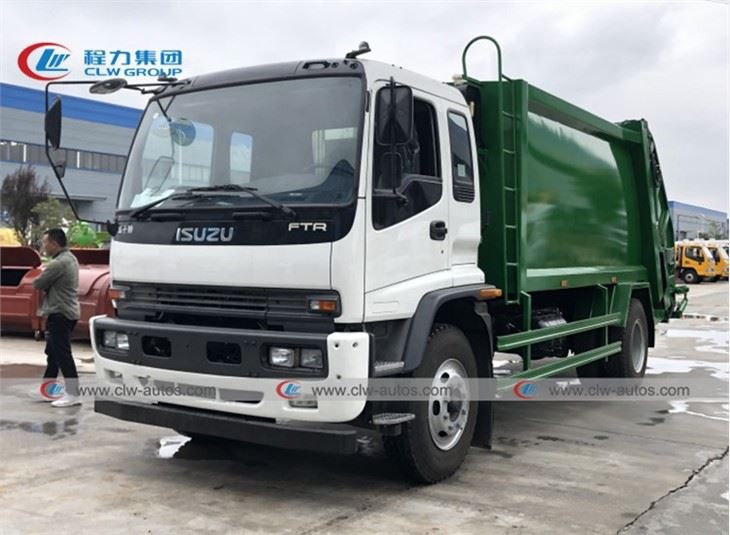
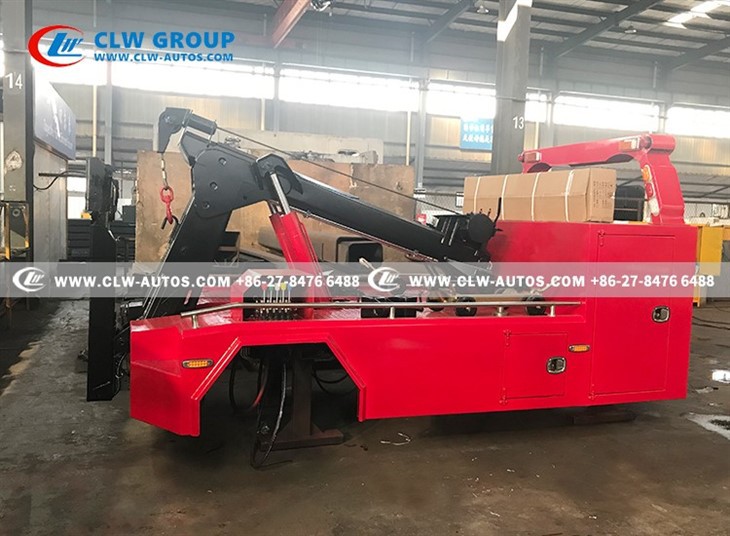
If you are interested in our LPG trucks or want to learn more about how to improve fuel economy, feel free to reach out to us for a detailed discussion. We also offer a wide range of other trucks, such as the OEM 6Tons Wrecker Recovery Truck Body Kits Assembly, SHACMAN Drinking Water Truck, and ISUZU 12CBM Sanitation Compression Waste Collection Truck. Contact us today to start a procurement negotiation and find the best truck solutions for your needs.
References
- SAE International. "Fuel Efficiency Best Practices for Commercial Vehicles."
- U.S. Department of Energy. "Fuel Economy Tips for Trucks."
- Trucking Research Institute. "Improving Fuel Efficiency in the Trucking Industry."