


As a trusted supplier of LPG Bobtail Trucks, I understand the importance of proper maintenance to ensure the safety, efficiency, and longevity of these vehicles. In this blog post, I will delve into the essential maintenance requirements for an LPG Bobtail Truck, providing valuable insights for operators and fleet managers alike.
Regular Inspections
Regular inspections are the cornerstone of LPG Bobtail Truck maintenance. These inspections should be conducted daily, weekly, monthly, and annually to identify and address potential issues before they escalate into major problems.
Daily Inspections
- Visual Checks: Before each trip, conduct a thorough visual inspection of the truck, including the tires, brakes, lights, and hoses. Look for signs of wear, damage, or leaks.
- Fluid Levels: Check the engine oil, coolant, and hydraulic fluid levels. Top up as needed.
- LPG System: Inspect the LPG storage tank, valves, and hoses for any signs of damage or leaks. Ensure that all connections are tight and secure.
Weekly Inspections
- Tire Pressure: Check the tire pressure and adjust it to the recommended levels. Inspect the tires for signs of wear, such as uneven tread or cuts.
- Brake System: Test the brakes to ensure they are functioning properly. Look for any signs of brake fluid leaks or excessive wear on the brake pads.
- LPG System: Conduct a more detailed inspection of the LPG system, including the regulator, relief valve, and fuel lines. Check for any signs of corrosion or damage.
Monthly Inspections
- Engine Oil and Filter: Change the engine oil and filter according to the manufacturer's recommendations. This helps to keep the engine running smoothly and extends its lifespan.
- Air Filter: Replace the air filter if it is dirty or clogged. A clean air filter ensures proper airflow to the engine, improving fuel efficiency and performance.
- LPG System: Inspect the LPG system for any signs of wear or damage. Check the pressure relief valve to ensure it is functioning properly.
Annual Inspections
- Complete Vehicle Inspection: Have the truck inspected by a qualified mechanic on an annual basis. This includes a comprehensive check of the engine, transmission, brakes, suspension, and electrical system.
- LPG System Certification: Have the LPG system certified by a qualified technician to ensure it meets all safety standards and regulations. This certification is typically required by law.
Preventive Maintenance
In addition to regular inspections, preventive maintenance is essential to keep an LPG Bobtail Truck in optimal condition. This includes tasks such as lubrication, filter replacement, and component servicing.
Lubrication
- Engine: Lubricate the engine components, such as the pistons, cylinders, and valves, to reduce friction and wear. Use the recommended lubricant for your engine.
- Chassis: Lubricate the chassis components, such as the suspension, steering, and brakes, to ensure smooth operation. Use a high-quality lubricant that is suitable for the specific application.
Filter Replacement
- Air Filter: Replace the air filter regularly to prevent dirt and debris from entering the engine. A clean air filter improves fuel efficiency and performance.
- Fuel Filter: Replace the fuel filter to prevent contaminants from entering the LPG system. A clogged fuel filter can cause engine problems and reduce fuel efficiency.
- Oil Filter: Replace the oil filter during each oil change to remove contaminants from the engine oil. A clean oil filter helps to keep the engine running smoothly and extends its lifespan.
Component Servicing
- Battery: Check the battery terminals for corrosion and clean them if necessary. Test the battery to ensure it is holding a charge. Replace the battery if it is old or weak.
- Tires: Rotate the tires regularly to ensure even wear. Replace the tires when the tread depth reaches the minimum recommended level.
- Brakes: Have the brakes serviced regularly to ensure they are functioning properly. This includes checking the brake pads, rotors, and calipers for wear and replacing them as needed.
Safety Precautions
When performing maintenance on an LPG Bobtail Truck, it is important to follow all safety precautions to prevent accidents and injuries.
LPG Safety
- Ventilation: Ensure that the maintenance area is well-ventilated to prevent the accumulation of LPG vapors. Open doors and windows, and use exhaust fans if necessary.
- No Smoking: Do not smoke or use open flames in the vicinity of the LPG system. LPG is highly flammable and can cause an explosion if ignited.
- Leak Detection: Use a leak detector to check for LPG leaks before performing any maintenance on the LPG system. If a leak is detected, do not attempt to repair it yourself. Contact a qualified technician immediately.
Personal Protective Equipment (PPE)
- Gloves: Wear gloves to protect your hands from chemicals, sharp objects, and hot surfaces.
- Safety Glasses: Wear safety glasses to protect your eyes from flying debris and chemicals.
- Respirator: Wear a respirator if you are working in an area with poor ventilation or if you are exposed to LPG vapors.
Training and Certification
Proper training and certification are essential for anyone who performs maintenance on an LPG Bobtail Truck. This ensures that they have the knowledge and skills necessary to perform the maintenance tasks safely and effectively.
Training Programs
- LPG System Training: Provide training on the LPG system, including its components, operation, and maintenance. This training should cover topics such as leak detection, valve operation, and pressure relief.
- Safety Training: Provide training on safety procedures and regulations related to LPG Bobtail Truck maintenance. This includes topics such as fire safety, personal protective equipment, and emergency response.
Certification
- LPG Technician Certification: Require all maintenance personnel to obtain a certification as an LPG technician. This certification demonstrates that they have the knowledge and skills necessary to perform maintenance on LPG systems safely and effectively.
- Vehicle Maintenance Certification: Require all maintenance personnel to obtain a certification in vehicle maintenance. This certification demonstrates that they have the knowledge and skills necessary to perform maintenance on all aspects of the truck, including the engine, transmission, brakes, and suspension.
Conclusion
Proper maintenance is essential to ensure the safety, efficiency, and longevity of an LPG Bobtail Truck. By following the maintenance requirements outlined in this blog post, operators and fleet managers can keep their trucks in optimal condition and avoid costly breakdowns and repairs.
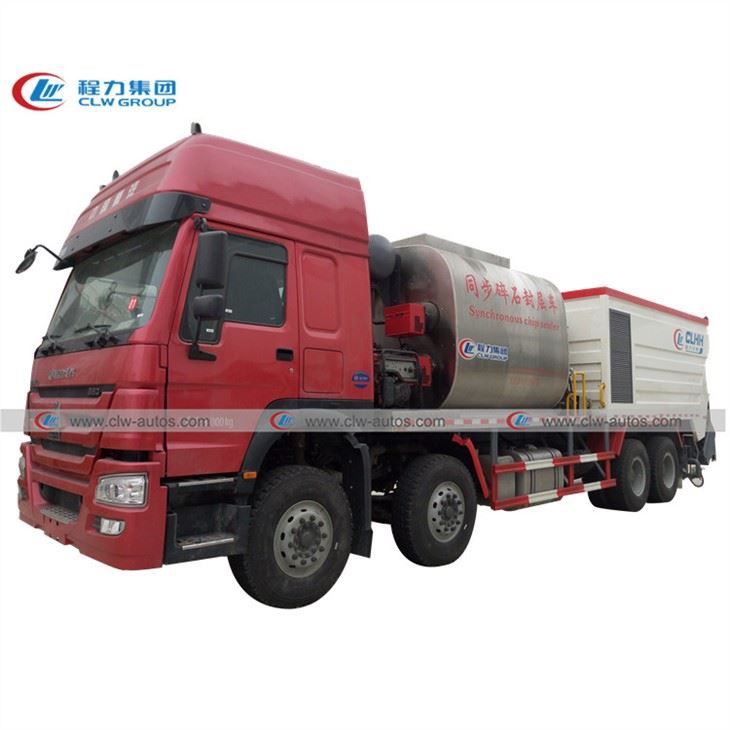
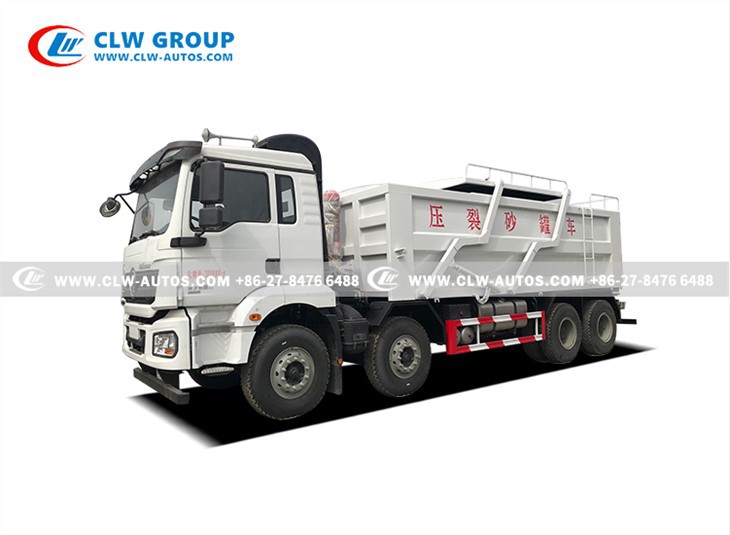
If you are in the market for an LPG Bobtail Truck or need maintenance services for your existing truck, we are here to help. We offer a wide range of high-quality LPG Bobtail Trucks and comprehensive maintenance services to meet your needs. Oil Field Use Fracturing Shacman F3000 Frac Sand Transport Dump Truck With Hydraulic Tipping and Howo 8X4 371HP Synchronous Chip Sealer Truck are also among our excellent product offerings. Additionally, we have the 4x2 Anti-riot Vehicle for specific needs. Contact us today to learn more about our products and services and to discuss your requirements. We look forward to working with you!
References
- American Petroleum Institute (API). (20XX). API Recommended Practice for the Design and Construction of Liquefied Petroleum Gas (LPG) Storage and Handling Facilities.
- National Fire Protection Association (NFPA). (20XX). NFPA 58: Liquefied Petroleum Gas Code.
- Society of Automotive Engineers (SAE). (20XX). SAE J1711: Recommended Practice for Hybrid Electric Vehicle (HEV) and Plug-In Hybrid Electric Vehicle (PHEV) Energy Consumption and Emissions Testing.