


As a supplier of LPG stations, I've witnessed firsthand the complex interplay between these facilities and the surrounding traffic management. LPG stations are crucial nodes in the energy supply chain, but they also bring unique challenges to traffic flow and safety. In this blog, I'll explore the traffic management issues around LPG stations and discuss potential solutions.
Traffic Congestion
One of the most obvious traffic management issues around LPG stations is congestion. LPG stations often attract a significant number of vehicles, especially during peak hours. Trucks, cars, and motorcycles all need to stop at the station to refuel, which can lead to long queues and slow-moving traffic. This congestion not only causes inconvenience to drivers but also increases the risk of accidents.
The design of LPG stations can also contribute to congestion. Many stations have limited space for vehicles to maneuver, which can make it difficult for trucks to enter and exit the station. Additionally, some stations may not have dedicated lanes for different types of vehicles, which can lead to confusion and further congestion.
Safety Concerns
Safety is another major concern when it comes to traffic management around LPG stations. LPG is a highly flammable substance, and any accident involving an LPG vehicle or storage tank can have serious consequences. Therefore, it's essential to ensure that traffic around LPG stations is managed in a way that minimizes the risk of accidents.
One of the main safety issues is the potential for collisions between vehicles. With so many vehicles entering and exiting the station, there is a higher risk of rear-end collisions, side-impact collisions, and other types of accidents. Additionally, the presence of large trucks and tankers can make it more difficult for drivers to see and maneuver, increasing the risk of accidents.
Another safety concern is the potential for spills and leaks. If an LPG vehicle or storage tank is damaged in an accident, there is a risk of LPG leaking into the environment. This can not only pose a fire and explosion hazard but also have negative environmental impacts.
Regulatory Requirements
To address these traffic management issues and safety concerns, there are a number of regulatory requirements that LPG stations must comply with. These requirements vary depending on the location and type of station, but they generally include guidelines for station design, traffic flow, and safety measures.
For example, many countries require LPG stations to have a certain amount of space between the station and the road to ensure that there is enough room for vehicles to maneuver safely. Additionally, stations may be required to have dedicated lanes for different types of vehicles, as well as clear signage and markings to guide traffic.
In addition to these design requirements, LPG stations are also subject to strict safety regulations. These regulations may include requirements for fire suppression systems, emergency response plans, and employee training. By complying with these regulations, LPG stations can help to minimize the risk of accidents and ensure the safety of drivers and the surrounding community.
Solutions
While traffic management issues around LPG stations can be challenging, there are a number of solutions that can help to address these problems. One solution is to improve the design of LPG stations to make them more efficient and safer. This may include increasing the size of the station, adding dedicated lanes for different types of vehicles, and improving the layout of the fueling area.
Another solution is to implement traffic management measures around the station. This may include installing traffic signals, roundabouts, or other traffic control devices to regulate the flow of traffic. Additionally, stations may consider implementing a reservation system or other measures to reduce the number of vehicles waiting in line at the station.
Finally, it's important to educate drivers about the safety risks associated with LPG stations and to encourage them to follow safe driving practices. This may include providing information about the proper procedures for refueling, as well as reminding drivers to be cautious when entering and exiting the station.
Our Products and Their Role
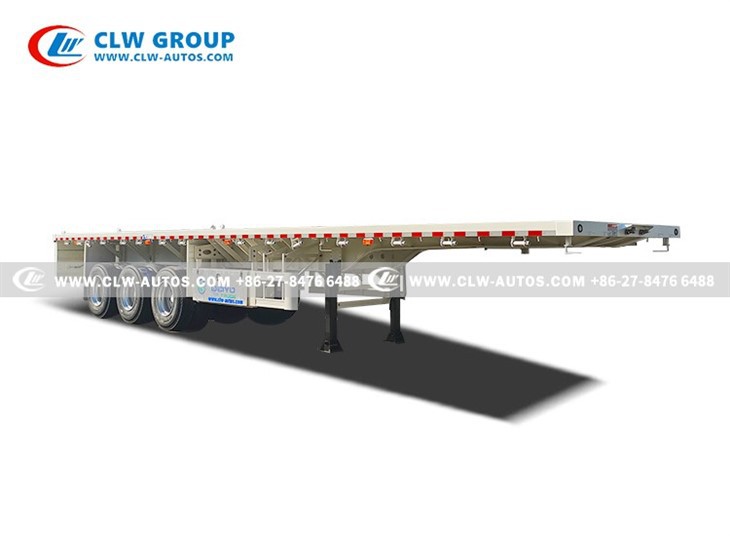
As an LPG station supplier, we offer a range of products that can help to improve traffic management and safety around LPG stations. For example, our 3 Axle Flatbed Semi Trailer is designed to transport LPG safely and efficiently. With its sturdy construction and advanced features, this trailer can help to reduce the risk of accidents and ensure the smooth flow of LPG to the station.
In addition to our trailers, we also offer 24000 Liters Dongfeng LPG Bobtail Truck, which is a reliable and efficient vehicle for delivering LPG to smaller stations. This truck is equipped with advanced safety features and is designed to meet the highest standards of quality and performance.
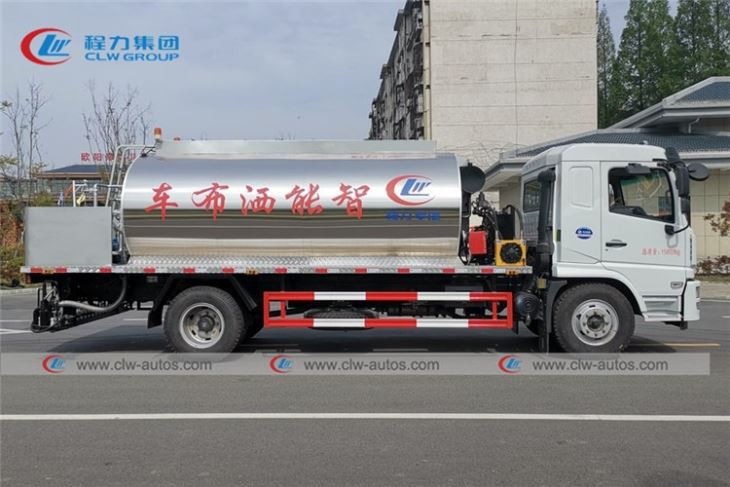
Finally, our Shacaman 12CBM Asphalt Sprayer Truck can be used for road construction and maintenance around LPG stations. By ensuring that the roads around the station are in good condition, we can help to improve traffic flow and reduce the risk of accidents.
Conclusion
Traffic management issues around LPG stations are a complex and challenging problem, but they can be addressed through a combination of design improvements, traffic management measures, and driver education. As an LPG station supplier, we are committed to providing our customers with high-quality products and solutions that can help to improve traffic management and safety around LPG stations.
If you're interested in learning more about our products or discussing your specific traffic management needs, please don't hesitate to contact us. We look forward to working with you to find the best solutions for your LPG station.
References
- Department of Transportation. (Year). Traffic Management Guidelines for LPG Stations.
- International Fire Code. (Year). Safety Regulations for LPG Facilities.
- National Fire Protection Association. (Year). Standards for LPG Storage and Handling.