


Liquefied Petroleum Gas (LPG) has become an integral part of modern energy consumption, powering everything from vehicles to household appliances. As a leading LPG station supplier, I've witnessed firsthand the remarkable journey of LPG stations from their humble beginnings to the sophisticated facilities we see today. In this blog post, I'll take you through the history of LPG stations, exploring their evolution, technological advancements, and the role they play in our energy landscape.
Early Beginnings: The Birth of LPG
The story of LPG stations begins with the discovery and development of LPG itself. In the early 19th century, scientists began experimenting with the liquefaction of gases, including propane and butane. However, it wasn't until the 1910s that LPG was first produced commercially. In 1910, Dr. Walter Snelling, a chemist working for the U.S. Bureau of Mines, discovered that gasoline stored in cans would often produce a gas that could be liquefied under pressure. This gas was later identified as a mixture of propane and butane, which we now know as LPG.
The first LPG stations emerged in the 1920s, primarily serving the automotive industry. These early stations were simple affairs, consisting of a storage tank and a dispensing unit. LPG was sold in small cylinders, which were often refilled on-site using a primitive pumping system. At the time, LPG was seen as a cleaner and more efficient alternative to gasoline, and it quickly gained popularity among motorists.
Expansion and Innovation: The Growth of LPG Stations
In the 1930s and 1940s, the demand for LPG continued to grow, driven by the increasing use of LPG in residential and commercial applications. As a result, LPG stations began to expand and diversify their offerings. In addition to refilling cylinders, many stations started selling bulk LPG for use in heating systems, cooking appliances, and industrial processes.
During this period, significant technological advancements were made in the design and operation of LPG stations. New storage tanks were developed that could hold larger volumes of LPG, and more efficient dispensing systems were introduced. These advancements not only made LPG stations more convenient and reliable but also helped to reduce the cost of LPG production and distribution.
The Modern Era: LPG Stations in the 21st Century
Today, LPG stations are an essential part of the global energy infrastructure. They can be found in virtually every country in the world, serving a wide range of customers, from individual motorists to large industrial enterprises. Modern LPG stations are highly sophisticated facilities, equipped with state-of-the-art technology and safety features.
One of the key trends in the modern LPG station industry is the increasing use of automation and digitalization. Many stations now use computerized systems to manage inventory, monitor fuel levels, and process transactions. This not only improves efficiency and accuracy but also enhances the customer experience.
Another important development in the LPG station industry is the growing focus on sustainability. As concerns about climate change and air pollution continue to mount, many LPG station operators are looking for ways to reduce their environmental impact. This includes investing in renewable energy sources, such as solar and wind power, and promoting the use of LPG as a cleaner alternative to traditional fossil fuels.
The Role of LPG Stations in the Energy Transition
As the world transitions to a more sustainable energy future, LPG stations are likely to play an increasingly important role. LPG is a clean-burning fuel that produces fewer emissions than gasoline and diesel, making it an attractive option for reducing greenhouse gas emissions and improving air quality. In addition, LPG is a versatile fuel that can be used in a wide range of applications, from transportation to heating and cooking.
One of the key advantages of LPG is its compatibility with existing infrastructure. Unlike some other alternative fuels, such as hydrogen and electric vehicles, LPG can be easily stored and transported using the same infrastructure as gasoline and diesel. This makes it a cost-effective and practical option for transitioning to a more sustainable energy future.
Our Offerings as an LPG Station Supplier
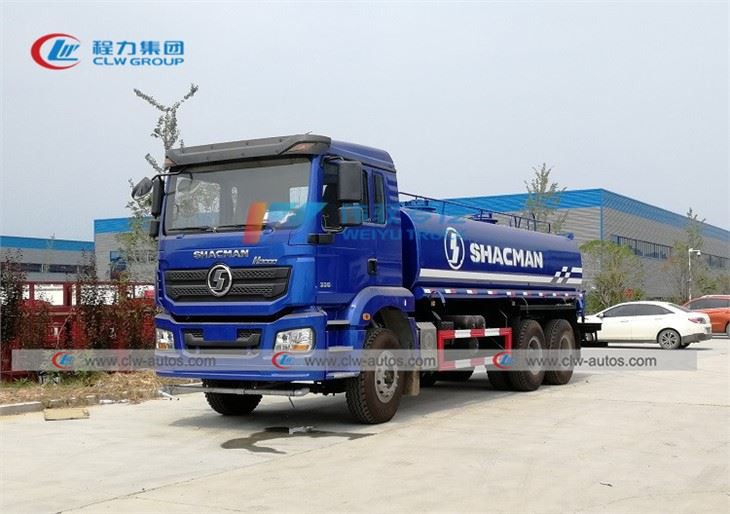
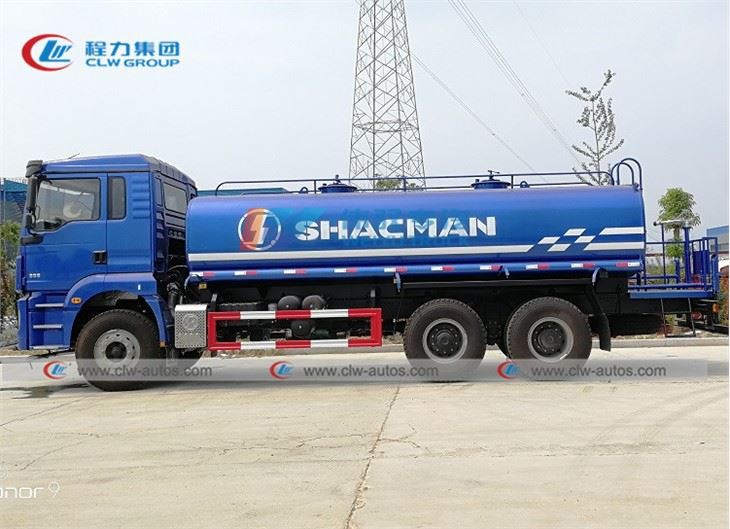
As a leading LPG station supplier, we offer a wide range of products and services to meet the needs of our customers. Our product portfolio includes 12,000 Liters LPG Refuler Truck, which are designed to transport LPG safely and efficiently. We also offer 4x4 Dongfeng 5tons - 10tons Military Truck Troops Carrier for specialized applications, as well as 20CBM Shacman Water Bowser Truck for cleaning and maintenance purposes.
In addition to our product offerings, we also provide comprehensive installation, maintenance, and repair services for LPG stations. Our team of experienced technicians is trained to handle all aspects of LPG station installation and maintenance, ensuring that your station operates safely and efficiently at all times.
Contact Us for Your LPG Station Needs
If you're in the market for an LPG station or need to upgrade your existing facility, we'd love to hear from you. Our team of experts can help you design and build a customized LPG station that meets your specific needs and budget. We also offer competitive pricing, fast delivery, and excellent customer service.
To learn more about our products and services, or to request a quote, please contact us today. We look forward to working with you to meet your LPG station needs.
References
- Snelling, W. M. (1912). "The Volatile Constituents of Gasoline." Journal of Industrial and Engineering Chemistry, 4(5), 387-392.
- "History of LPG." World LPG Association. Retrieved from https://www.worldlpgassociation.com/about-lpg/history-of-lpg/
- "The Future of LPG in the Energy Transition." International Energy Agency. Retrieved from https://www.iea.org/reports/the-future-of-lpg-in-the-energy-transition