


Hey there! As a supplier of LPG storage tanks, I've seen firsthand the importance of pollution prevention in LPG storage tank areas. Liquefied Petroleum Gas (LPG) is an incredibly useful energy source, but if not managed properly, it can pose significant environmental risks. In this blog, I'll share some key pollution prevention measures for an LPG storage tank area.
1. Regular Inspections and Maintenance
Regular inspections are the cornerstone of pollution prevention. We need to check the tanks, pipes, valves, and other components frequently. This helps us spot any signs of wear and tear, corrosion, or leaks early on. For example, a small leak in a valve may seem insignificant at first, but over time, it can release a substantial amount of LPG into the environment.
We should have a detailed inspection schedule. Visual inspections can be done daily or weekly, depending on the usage and age of the equipment. More in - depth inspections, like using non - destructive testing methods to check for internal corrosion in the tanks, can be done annually or bi - annually.
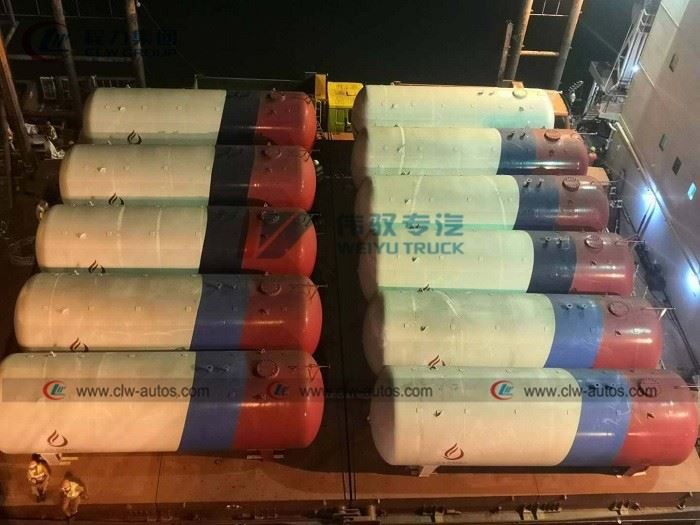
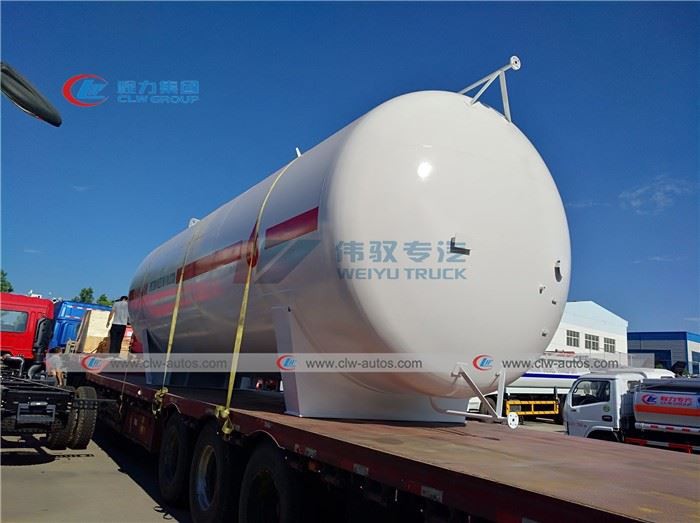
Maintenance is just as important as inspections. Any damaged parts should be replaced immediately. For instance, if a gasket in a connection is worn out, it should be swapped with a new one right away to prevent LPG leakage. We carry various sizes of LPG storage tanks, such as the 115CBM 50MT 55MT LPG Storage Tank, and proper maintenance ensures their long - term performance and safety.
2. Spill Containment Systems
Spill containment is crucial in case of an accidental release of LPG. A well - designed spill containment system can prevent LPG from spreading into the surrounding environment.
One common approach is to build a secondary containment structure around the storage tanks. This could be a concrete dike or a berm that can hold a certain volume of LPG in case of a spill. The capacity of the containment structure should be large enough to hold at least 110% of the volume of the largest tank in the area.
We also need to have absorbent materials on hand, like spill pads and booms. These can be used to soak up any spilled LPG quickly. Additionally, there should be a proper plan in place for the disposal of the absorbent materials after they have been used.
3. Vapor Recovery Systems
LPG can vaporize easily, and these vapors can be a significant source of pollution. Vapor recovery systems are designed to capture the LPG vapors that are released during filling, emptying, or normal operation of the storage tanks.
There are different types of vapor recovery systems available. One type uses condensers to turn the vapors back into a liquid state, which can then be returned to the storage tank. Another type uses adsorption technology, where the vapors are adsorbed onto a solid material and then desorbed for reuse.
Installing a vapor recovery system not only helps prevent pollution but also saves money by reducing product loss. Our 50,000L 25Tons LPG Storage Tank can be equipped with a suitable vapor recovery system to ensure efficient and environmentally - friendly operation.
4. Employee Training
Well - trained employees are essential for pollution prevention in an LPG storage tank area. They need to know how to operate the equipment safely, how to detect potential problems, and what to do in case of an emergency.
Training should cover topics such as the properties of LPG, safety procedures for handling and storing LPG, and the proper use of pollution prevention equipment. Regular refresher courses should be provided to keep the employees' knowledge up - to - date.
For example, employees should be trained on how to use the spill containment materials correctly and how to operate the vapor recovery system. They should also know the emergency response plan in case of a major spill or leak.
5. Proper Ventilation
Proper ventilation is necessary to prevent the accumulation of LPG vapors in the storage tank area. LPG vapors are heavier than air and can settle in low - lying areas, creating a potential explosion hazard.
Ventilation systems can be natural or mechanical. Natural ventilation can be achieved through the design of the storage area, such as having open - sided buildings or vents at the top of the structures. Mechanical ventilation systems, like fans, can be used to ensure a continuous flow of fresh air in the area.
This helps to disperse any LPG vapors that may be present and reduces the risk of a fire or explosion. It also helps to keep the air quality in the area within acceptable limits.
6. Environmental Monitoring
Continuous environmental monitoring is important to detect any signs of pollution early. We can use sensors to monitor the levels of LPG in the air, soil, and water in the storage tank area.
Air quality sensors can detect the presence of LPG vapors in the atmosphere. Soil sensors can detect any LPG that has leaked into the ground. Water sensors can be used if the storage area is near a water source to detect any LPG that may have entered the water.
The data from these sensors should be regularly analyzed, and any abnormal readings should trigger an immediate investigation. This allows us to take corrective actions before the pollution problem becomes severe.
7. Regulatory Compliance
We must comply with all relevant environmental regulations. These regulations set standards for the design, operation, and maintenance of LPG storage tank areas.
Compliance includes obtaining the necessary permits, following safety and environmental standards, and submitting regular reports to the regulatory authorities. Failure to comply with these regulations can result in significant fines and legal issues.
By ensuring regulatory compliance, we not only protect the environment but also maintain the trust of our customers and the community.
8. Safe Handling and Transfer Procedures
When it comes to handling and transferring LPG, we need to follow strict safety procedures. This includes using proper equipment, such as hoses and connectors that are designed for LPG use.
Before any transfer, the equipment should be inspected to ensure it is in good condition. The transfer process should be closely monitored to prevent spills or leaks. For example, during the filling of a 25tons Propane Storage Bullet Tanks, the flow rate should be controlled, and there should be a proper connection between the tanker and the storage tank.
In conclusion, pollution prevention in an LPG storage tank area is a multi - faceted task that requires a combination of regular inspections, proper equipment, employee training, and regulatory compliance. By implementing these measures, we can minimize the environmental impact of LPG storage and ensure the safety of the surrounding community.
If you're in the market for high - quality LPG storage tanks and want to learn more about pollution prevention measures, feel free to reach out. We're here to help you make the right choices for your business.
References
- "Liquefied Petroleum Gas (LPG) Safety Handbook"
- Environmental Protection Agency (EPA) regulations on LPG storage and handling
- Industry standards for LPG storage tank design and operation