


Hey there! As a chemical truck supplier, I often get asked about the quality standards for these specialized vehicles. Chemical trucks are no ordinary rigs; they need to meet a whole bunch of strict requirements to ensure safety, efficiency, and compliance. In this blog, I'll break down what these quality standards are all about.
Material and Construction
First off, the materials used in chemical trucks are super important. You can't just use any old metal or plastic. For the tanks that hold the chemicals, high - quality stainless steel is often the go - to choice. It's resistant to corrosion, which is crucial since many chemicals are highly corrosive. The thickness of the tank walls also matters. A thicker wall can better withstand the pressure and potential impacts during transportation.
The construction of the truck also needs to be top - notch. All the welds should be strong and free of defects. Any weak welds could lead to leaks, and that's a huge no - no when dealing with chemicals. The joints between different parts of the tank and the truck chassis should be properly sealed to prevent any spillage.
Safety Features
Safety is the name of the game when it comes to chemical trucks. One of the key safety features is the emergency shut - off system. This system allows the driver or other authorized personnel to quickly stop the flow of chemicals in case of an emergency, like a leak or a collision.
There should also be proper ventilation systems in the tank area. Chemicals can release fumes, and these fumes need to be safely vented out to prevent the build - up of dangerous gases. Some trucks even have sensors that can detect the presence of harmful gases and trigger an alarm if the levels get too high.
Another important safety aspect is the fire - prevention system. Chemicals can be highly flammable, so the truck needs to be equipped with fire extinguishers and other fire - suppression equipment. The electrical systems on the truck should also be designed to prevent sparks, which could potentially ignite the chemicals.
Compliance with Regulations
Chemical trucks have to comply with a whole bunch of regulations at both the national and international levels. In the United States, for example, the Department of Transportation (DOT) has strict rules about the design, construction, and operation of chemical trucks. These regulations cover everything from the markings on the truck to the training requirements for the drivers.
Internationally, the United Nations has developed a set of guidelines for the transport of dangerous goods. Chemical trucks need to follow these guidelines to ensure that they can be safely transported across borders. This includes proper labeling of the chemicals, using the right packaging, and having the necessary documentation.
Performance and Efficiency
Besides safety and compliance, performance and efficiency are also important quality standards. The truck should have a good fuel efficiency rating. Since chemical transportation often involves long - distance hauls, a fuel - efficient truck can save a lot of money in the long run.
The handling of the truck is also crucial. It should be easy for the driver to maneuver, especially when making tight turns or backing up. The braking system needs to be reliable, as the weight of the chemicals can put extra stress on the brakes.
Maintenance and Inspection
Regular maintenance and inspection are essential to keep chemical trucks in good condition. The tanks should be inspected regularly for signs of corrosion, leaks, or other damage. The safety features, such as the emergency shut - off system and the fire - prevention equipment, should also be tested frequently to make sure they are working properly.
The truck's engine and other mechanical components need to be maintained according to the manufacturer's recommendations. This includes changing the oil regularly, checking the tires, and inspecting the brakes.
Our Product Offerings
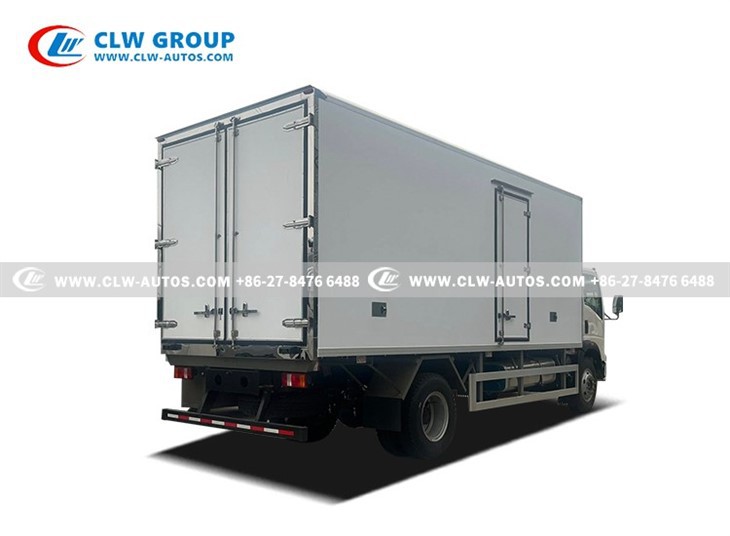
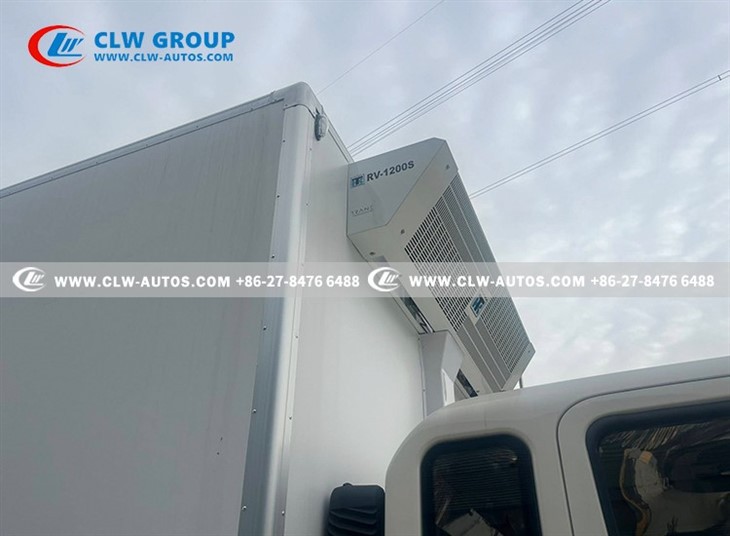
At our company, we take these quality standards very seriously. We offer a wide range of chemical trucks that meet all the necessary requirements. For example, we have the 10Tons HOWO Reefer Truck, which is not only suitable for transporting chemicals that need to be kept at a certain temperature but also built to the highest quality standards.
We also have the 6x4 ISUZU 20tons Straight Boom Truck Mouted Crane. This truck is great for handling heavy chemical containers and is designed with safety and performance in mind.
And if you need spare parts for your chemical trucks, we have you covered. Our ISUZU 100P/600P Engine Oil Filter is a high - quality product that can help keep your truck's engine running smoothly.
Conclusion
In conclusion, the quality standards for chemical trucks are complex and cover many different aspects, from material and construction to safety, compliance, performance, and maintenance. As a chemical truck supplier, we are committed to providing our customers with trucks that meet these high standards.
If you're in the market for a chemical truck or need any spare parts, don't hesitate to get in touch with us. We'd be more than happy to discuss your needs and help you find the right solution for your chemical transportation requirements.
References
- Department of Transportation (DOT) regulations
- United Nations guidelines for the transport of dangerous goods
- Manufacturer's manuals for chemical trucks and spare parts