


Hey there! As an LPG tank supplier, I often get asked about how to connect multiple LPG tanks. It's a crucial topic, especially for those who need a larger supply of LPG for various applications, whether it's for industrial use, commercial kitchens, or large-scale heating systems. In this blog, I'll walk you through the process step by step, sharing some tips and best practices along the way.
Why Connect Multiple LPG Tanks?
Before we dive into the how-to, let's quickly talk about why you might want to connect multiple LPG tanks in the first place. The main reason is to increase your LPG storage capacity. This is super handy if you have high LPG consumption or if you want to ensure a continuous supply without having to refill your tanks too frequently. For instance, a big restaurant with multiple stoves running all day will need a larger supply of LPG than a single small tank can provide.
What You'll Need
First things first, you'll need the right equipment to connect your LPG tanks safely and effectively. Here's a list of what you'll typically need:
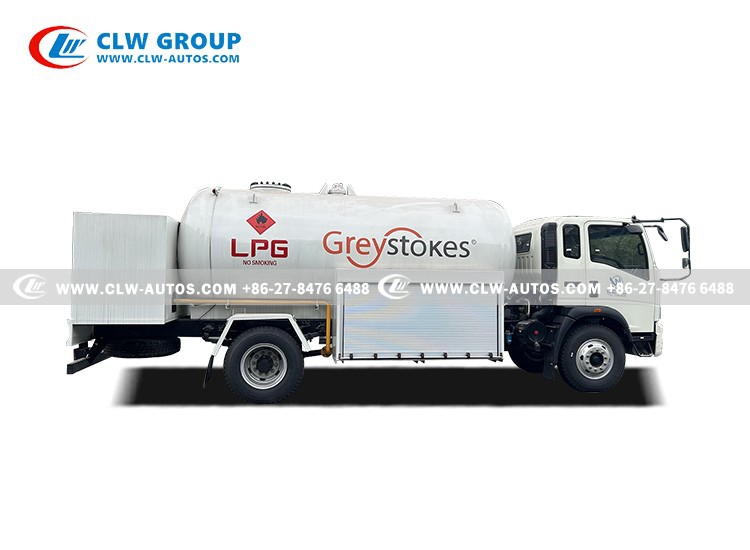
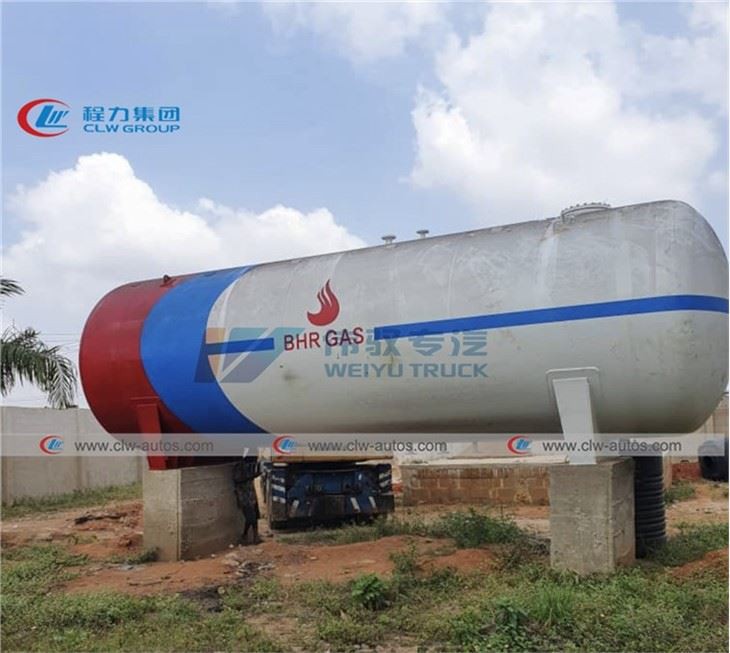
- LPG Tanks: Of course, you need the tanks themselves. We offer a variety of LPG tanks, like the 3 Axle 30tons LPG Tank Trailer With Pumping And Flow Meter and 25tons Bulk LPG Bullet Tanks. These are high-quality tanks designed to store LPG safely.
- Connecting Hoses: These hoses are used to link the tanks together. Make sure they're made of a material that can withstand the pressure and chemical properties of LPG.
- Valves: You'll need valves to control the flow of LPG between the tanks and to the appliance or system you're using. Ball valves are a popular choice because they're easy to operate and provide a good seal.
- Pressure Regulators: These are essential for maintaining a consistent pressure of LPG as it flows from the tanks to your equipment. Without a regulator, the pressure could be too high or too low, which can damage your appliances or cause safety issues.
- Leak Detectors: Safety is always our top priority. Leak detectors help you quickly identify if there's any LPG leaking from the connections or tanks.
Step-by-Step Guide to Connecting Multiple LPG Tanks
Now, let's get into the actual process of connecting the tanks.
Step 1: Choose the Right Location
Pick a well-ventilated area away from any sources of heat, flames, or electrical equipment. The tanks should be placed on a flat, stable surface to prevent them from tipping over. Also, make sure there's enough space around the tanks for easy access and maintenance.
Step 2: Check the Tanks
Before you start connecting anything, inspect each tank for any signs of damage, such as dents, rust, or leaks. If you find any issues, don't use the tank. It's better to be safe than sorry.
Step 3: Install the Valves
Each tank should have a valve installed at the outlet. Make sure the valves are tightly secured to prevent any leaks. You can use a wrench to tighten them, but be careful not to over-tighten, as this can damage the valve or the tank.
Step 4: Connect the Hoses
Use the connecting hoses to link the valves of the tanks together. Make sure the hoses are properly connected and tightened. You might want to use some thread seal tape on the hose fittings to ensure a good seal.
Step 5: Install the Pressure Regulator
Connect the pressure regulator to the outlet of the last tank in the series. The regulator will control the pressure of the LPG as it flows to your equipment. Follow the manufacturer's instructions for installing the regulator correctly.
Step 6: Test for Leaks
Once everything is connected, it's time to test for leaks. You can use a leak detector or a simple soap and water solution. Apply the solution to all the connections and valves. If you see any bubbles forming, that means there's a leak. Tighten the connection or replace the faulty part.
Step 7: Connect to Your Equipment
After you've confirmed that there are no leaks, you can connect the regulated LPG supply to your equipment, such as a stove, heater, or generator. Make sure the connection is secure and that the equipment is properly installed and functioning.
Safety Tips
- Follow Local Regulations: Different areas may have different rules and regulations regarding the installation and use of LPG tanks. Make sure you comply with all the local laws to avoid any legal issues.
- Regular Maintenance: Inspect your tanks, hoses, valves, and regulators regularly for any signs of wear and tear. Replace any damaged parts immediately.
- Emergency Plan: Have an emergency plan in place in case of a leak or other LPG-related incident. Know how to shut off the valves quickly and where to find the nearest fire extinguisher.
Different Applications
Connecting multiple LPG tanks can be useful in various applications. For example, in the commercial sector, a hotel might need a large supply of LPG for its kitchens, laundry facilities, and heating systems. By connecting multiple tanks, they can ensure a continuous supply of LPG without any interruptions.
In the industrial sector, factories may use LPG for processes like heating, drying, or powering machinery. A reliable and large-capacity LPG supply is essential for their operations. Our Ghana LPG Bobtail can be a great option for such industrial applications.
Conclusion
Connecting multiple LPG tanks is a great way to increase your LPG storage capacity and ensure a continuous supply. By following the steps and safety tips I've outlined in this blog, you can do it safely and effectively. If you have any questions or need help with choosing the right LPG tanks or equipment, don't hesitate to reach out. We're here to assist you with all your LPG tank needs. Whether you're a small business owner or a large industrial operator, we have the products and expertise to meet your requirements. So, if you're interested in purchasing LPG tanks or need more information, feel free to contact us for a detailed discussion and to start the procurement process.
References
- "LPG Safety Handbook" - A comprehensive guide on LPG safety and usage.
- Manufacturer's manuals for LPG tanks, valves, regulators, and other equipment.