


As a leading LPG tank supplier, I understand the critical importance of a thorough inspection process for LPG tanks. Ensuring the safety and reliability of these tanks is not only a regulatory requirement but also a moral obligation to our customers. In this blog post, I will walk you through the comprehensive inspection process we follow to guarantee the highest quality of our LPG tanks.
Pre - Inspection Preparation
Before the actual inspection begins, a series of preparatory steps are taken. First, we gather all the relevant documentation related to the LPG tank. This includes the manufacturing drawings, material certificates, and previous inspection reports. These documents provide valuable information about the tank's design, construction materials, and past performance.
We also assemble a team of highly trained and certified inspectors. Our inspectors have extensive experience in the field of LPG tank inspection and are well - versed in the latest industry standards and regulations. They are equipped with the necessary tools and equipment, such as ultrasonic thickness gauges, magnetic particle inspection kits, and radiographic testing devices.
Visual Inspection
The initial phase of the inspection is a detailed visual examination. The inspector starts by checking the exterior of the tank for any signs of physical damage, such as dents, scratches, or corrosion. Even a small scratch can potentially lead to a larger problem over time, so no detail is overlooked.
The tank's supports and foundations are also inspected to ensure they are in good condition and can adequately bear the weight of the tank. Any signs of settlement, cracking, or misalignment in the supports could indicate a serious structural issue.
Inside the tank, the inspector looks for signs of internal corrosion, pitting, or the presence of foreign materials. This is typically done using a combination of direct visual inspection through access ports and the use of remote - viewing devices.
Non - Destructive Testing (NDT)
Non - destructive testing techniques play a crucial role in the inspection process. One of the most commonly used methods is ultrasonic testing (UT). UT is used to measure the thickness of the tank walls. By sending ultrasonic waves through the metal, the inspector can detect any areas where the wall thickness has been reduced due to corrosion or other factors.
Magnetic particle inspection (MPI) is another important NDT method. It is used to detect surface and near - surface defects in ferromagnetic materials. The inspector applies a magnetic field to the tank surface and then sprays magnetic particles on it. Any defects in the material will cause the magnetic particles to cluster, making the defect visible.
Radiographic testing (RT) is also employed in some cases. This method uses X - rays or gamma rays to create an image of the internal structure of the tank. RT can detect internal defects such as cracks, porosity, or incomplete welds.
Pressure Testing
After the NDT is completed, the tank undergoes a pressure test. There are two main types of pressure tests: hydrostatic testing and pneumatic testing.

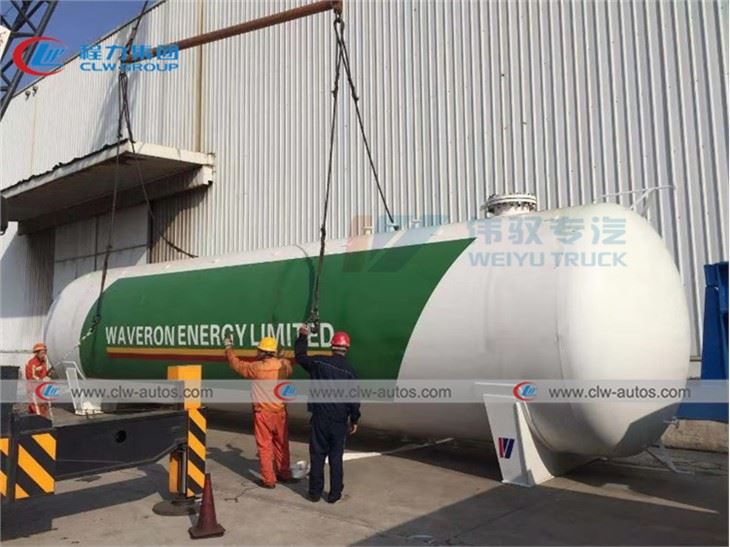
Hydrostatic testing involves filling the tank with water and pressurizing it to a specified level. The inspector then checks for any leaks or deformation in the tank. This method is considered very reliable as water is incompressible, and any loss of pressure indicates a leak.
Pneumatic testing, on the other hand, uses air or an inert gas to pressurize the tank. This method is more sensitive to small leaks but also more dangerous due to the potential for a sudden release of energy in case of a failure. Therefore, strict safety precautions are taken during pneumatic testing.
Valve and Fitting Inspection
The valves and fittings on the LPG tank are also carefully inspected. These components are critical for the safe operation of the tank, as they control the flow of LPG in and out of the tank.
The inspector checks the valves for proper operation, including opening and closing, and for any signs of leakage. The fittings are inspected for tightness and any signs of damage or corrosion. Gaskets and seals are also examined and replaced if necessary.
Documentation and Reporting
Once the inspection is complete, a detailed report is prepared. The report includes all the findings of the inspection, including any defects or areas of concern. It also provides recommendations for repairs or maintenance, if required.
The documentation is not only important for the customer but also for regulatory compliance. Our company maintains a comprehensive record of all inspections, which can be used for future reference and to demonstrate our commitment to safety.
Why Choose Our LPG Tanks
Our commitment to a rigorous inspection process is just one of the reasons why customers choose our LPG tanks. We offer a wide range of high - quality LPG tanks, including the 60tons LPG Storage Tank For Nigeria. These tanks are designed and manufactured to meet the highest industry standards, ensuring long - term reliability and safety.
In addition to our storage tanks, we also provide related equipment such as the ISUZU Towing Truck With 8 - tons Crane and the Ghana LPG Bobtail. Our products are backed by a team of experts who are always ready to provide support and assistance.
If you are in the market for LPG tanks or related equipment, we encourage you to contact us for a detailed discussion about your needs. Our sales team is available to answer your questions and provide you with a customized solution. We look forward to working with you to meet your LPG storage and transportation requirements.
References
- American Society of Mechanical Engineers (ASME) Boiler and Pressure Vessel Code
- National Fire Protection Association (NFPA) Standards for LPG Storage and Handling
- International Organization for Standardization (ISO) Standards for LPG Tanks