


Liquefied Petroleum Gas (LPG) stations play a crucial role in supplying energy for various applications, from domestic cooking to industrial processes. As a trusted LPG station supplier, I understand the importance of addressing the security risks associated with these facilities. In this blog, I will delve into the potential hazards and challenges that LPG stations face, and discuss the measures that can be taken to mitigate these risks.
Fire and Explosion Risks
One of the most significant security risks associated with LPG stations is the potential for fire and explosion. LPG is a highly flammable substance, and even a small leak can lead to a dangerous situation. The risk of fire and explosion is particularly high in areas where LPG is stored, transferred, or used.
The primary cause of fire and explosion at LPG stations is the ignition of leaked gas. This can occur due to various factors, such as electrical sparks, static electricity, open flames, or hot surfaces. Once the gas is ignited, it can quickly spread and cause a large-scale explosion, resulting in significant damage to the station and surrounding areas, as well as potential loss of life.
To mitigate the risk of fire and explosion, LPG stations must implement strict safety measures. This includes installing proper ventilation systems to prevent the accumulation of gas, using explosion-proof electrical equipment, and ensuring that all personnel are trained in fire safety procedures. Additionally, regular inspections and maintenance of the station's equipment and infrastructure are essential to identify and address any potential hazards.
Leakage Risks
Another significant security risk associated with LPG stations is the potential for gas leakage. LPG is stored and transported under pressure, and any damage to the storage tanks, pipelines, or valves can result in a leak. Even a small leak can be dangerous, as LPG is heavier than air and can accumulate in low-lying areas, creating a potential explosion hazard.
Leakage can occur due to various reasons, such as corrosion, mechanical damage, or improper installation. To detect and prevent leaks, LPG stations must have a comprehensive leak detection system in place. This can include gas detectors, pressure sensors, and visual inspections. Regular maintenance and testing of the leak detection system are also crucial to ensure its effectiveness.
In addition to detecting leaks, LPG stations must have a plan in place to respond to leaks quickly and effectively. This includes shutting off the gas supply, evacuating the area, and notifying the appropriate authorities. Proper training of personnel in leak response procedures is essential to minimize the risk of injury and damage.
Environmental Risks
LPG stations also pose potential environmental risks. In the event of a large-scale leak or explosion, LPG can be released into the environment, causing air pollution and potential harm to human health and the ecosystem. Additionally, the storage and handling of LPG can result in the release of other pollutants, such as volatile organic compounds (VOCs) and nitrogen oxides (NOx).
To minimize the environmental impact of LPG stations, strict environmental regulations must be followed. This includes proper storage and handling of LPG, the use of pollution control equipment, and the implementation of spill prevention and response plans. Regular environmental monitoring and reporting are also essential to ensure compliance with environmental standards.
Security Risks from External Threats
LPG stations are also vulnerable to external threats, such as terrorism, vandalism, and theft. These threats can pose a significant risk to the safety and security of the station and its personnel, as well as the surrounding community.
Terrorist attacks on LPG stations can result in large-scale explosions and damage, causing significant loss of life and property. Vandalism and theft can also disrupt the operation of the station and lead to the release of LPG, creating a potential safety hazard.
To protect against external threats, LPG stations must implement comprehensive security measures. This includes installing security cameras, access control systems, and perimeter fencing. Additionally, personnel should be trained in security awareness and response procedures to detect and respond to potential threats.
Transportation Risks
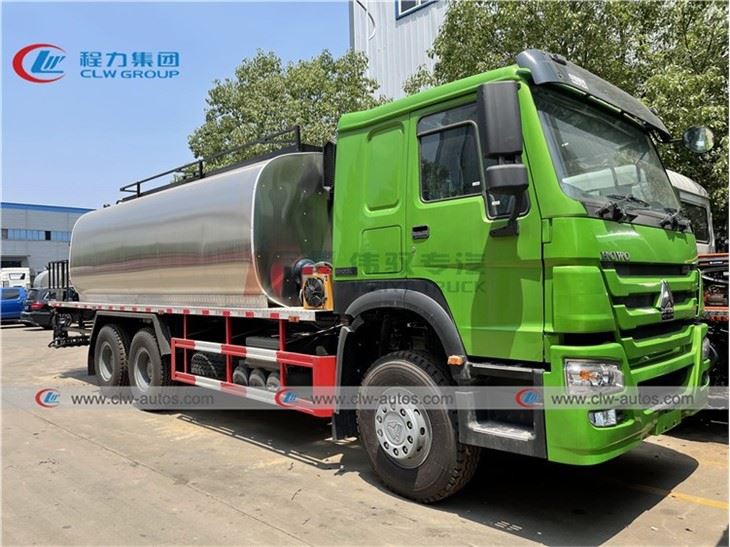
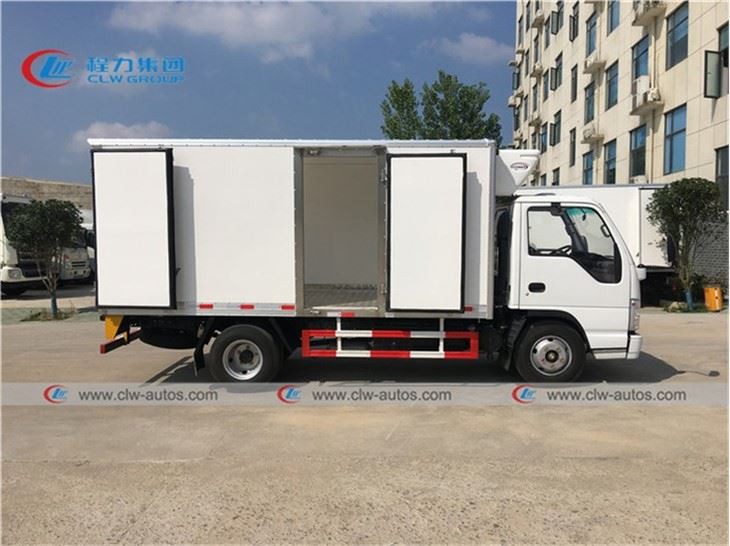
The transportation of LPG is another area of concern when it comes to security risks. LPG is typically transported in specialized trucks, such as RHD Sinotruk Howo 16000L Bitumen Distributor Truck or 5Ton Frozen Food Tansport Refrigerated Van Truck. These trucks are designed to safely transport LPG, but they are still subject to various risks, such as accidents, collisions, and mechanical failures.
Accidents involving LPG trucks can result in the release of gas, causing a potential explosion hazard. To minimize the risk of transportation accidents, strict safety regulations must be followed. This includes proper maintenance and inspection of the trucks, training of drivers in safe driving practices, and the use of safety equipment, such as emergency shut-off valves and fire extinguishers.
Mitigating Security Risks
To effectively mitigate the security risks associated with LPG stations, a comprehensive approach is required. This includes implementing strict safety and security measures, conducting regular inspections and maintenance, and providing training to personnel.
In addition to these measures, it is also important to stay updated on the latest industry standards and best practices. This can help ensure that the LPG station is operating in a safe and secure manner, and that it is compliant with all relevant regulations.
As a LPG station supplier, I am committed to providing high-quality products and services that meet the highest safety and security standards. We work closely with our customers to understand their specific needs and requirements, and to provide customized solutions that address their security risks.
If you are interested in learning more about our LPG station products and services, or if you have any questions or concerns about security risks, please do not hesitate to contact us. We would be happy to discuss your needs and provide you with more information.
Conclusion
LPG stations are essential for supplying energy to various sectors, but they also pose significant security risks. Fire and explosion, leakage, environmental hazards, external threats, and transportation risks are all factors that need to be carefully considered and addressed. By implementing strict safety and security measures, conducting regular inspections and maintenance, and providing training to personnel, these risks can be effectively mitigated.
As a LPG station supplier, I am dedicated to helping our customers ensure the safety and security of their facilities. We believe that by working together, we can create a safer and more secure environment for everyone. If you are in the market for LPG station equipment or services, I encourage you to reach out to us to discuss your specific needs and explore how we can assist you.
References
- American Gas Association. (2023). Liquefied Petroleum Gas (LPG) Safety.
- Occupational Safety and Health Administration (OSHA). (2023). Hazardous Waste Operations and Emergency Response Standard.
- National Fire Protection Association (NFPA). (2023). NFPA 58: Liquefied Petroleum Gas Code.