


How are Chemical Trucks Used for Transporting Lubricants?
As a seasoned chemical truck supplier, I've witnessed firsthand the intricate process of using chemical trucks to transport lubricants. Lubricants play a crucial role in various industries, from automotive to manufacturing, and ensuring their safe and efficient transportation is of utmost importance.
Understanding Lubricants and Their Transport Requirements
Lubricants are substances used to reduce friction between moving parts, prevent wear and tear, and dissipate heat. They come in different forms, such as oils, greases, and synthetic fluids, each with its own unique properties and characteristics. Due to their chemical nature, lubricants require special handling and transportation to maintain their quality and integrity.
One of the primary concerns when transporting lubricants is preventing contamination. Even a small amount of dirt, water, or other impurities can significantly affect the performance of the lubricant. Therefore, chemical trucks used for transporting lubricants must be designed and maintained to ensure a clean and sealed environment.
Another important factor is temperature control. Some lubricants are sensitive to temperature changes, and extreme heat or cold can cause them to thicken, thin out, or even break down. Chemical trucks equipped with temperature control systems can help maintain the optimal temperature range during transportation, ensuring the lubricant remains in its desired state.
The Design and Features of Chemical Trucks for Lubricant Transport
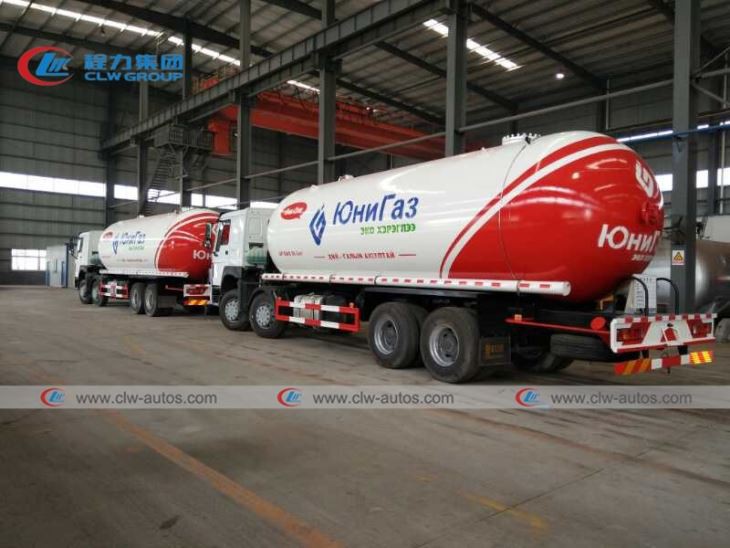
Chemical trucks used for transporting lubricants are typically designed with several key features to meet the specific requirements of this application.
Tank Construction: The tanks of these trucks are usually made of high-quality materials, such as stainless steel or aluminum, which are resistant to corrosion and can withstand the chemical properties of lubricants. The tanks are also designed to be leak-proof and have proper seals and gaskets to prevent any spills or leaks during transportation.
Pumping and Transfer Systems: Chemical trucks are equipped with pumping and transfer systems that allow for the efficient loading and unloading of lubricants. These systems are designed to handle different viscosities of lubricants and can be customized to meet the specific needs of the customer.
Safety Features: Safety is a top priority when transporting lubricants. Chemical trucks are equipped with various safety features, such as emergency shut-off valves, pressure relief valves, and fire suppression systems, to prevent accidents and ensure the safety of the driver and the environment.
Monitoring and Control Systems: To ensure the quality and integrity of the lubricant during transportation, chemical trucks are often equipped with monitoring and control systems. These systems can monitor parameters such as temperature, pressure, and level, and provide real-time data to the driver or the control center.
The Loading and Unloading Process
The loading and unloading process of lubricants using chemical trucks is a critical step that requires careful planning and execution.
Loading: Before loading the lubricant, the tank of the chemical truck must be thoroughly cleaned and inspected to ensure it is free from any contaminants. The lubricant is then transferred from the storage tank to the truck's tank using a pumping system. During the loading process, it is important to monitor the level and temperature of the lubricant to ensure it is within the acceptable range.
Unloading: When the chemical truck arrives at its destination, the unloading process begins. The lubricant is transferred from the truck's tank to the storage tank at the destination using a similar pumping system. Again, it is important to monitor the level and temperature of the lubricant during the unloading process to ensure its quality and integrity.
Case Studies and Real-World Applications
To illustrate the practical use of chemical trucks for transporting lubricants, let's take a look at some real-world case studies.
Automotive Industry: In the automotive industry, lubricants are used in engines, transmissions, and other components to ensure smooth operation and reduce wear and tear. Chemical trucks are used to transport lubricants from the manufacturing plant to the automotive assembly plants and dealerships. These trucks are designed to meet the high standards of the automotive industry and ensure the quality and integrity of the lubricants during transportation.
Manufacturing Industry: In the manufacturing industry, lubricants are used in various processes, such as metalworking, machining, and plastic molding. Chemical trucks are used to transport lubricants from the storage facilities to the manufacturing plants. These trucks are equipped with specialized pumping and transfer systems to handle the different viscosities of lubricants used in the manufacturing processes.
Conclusion
In conclusion, chemical trucks play a vital role in the transportation of lubricants. Their design and features are specifically tailored to meet the unique requirements of lubricant transport, ensuring the safety, quality, and integrity of the lubricants during the journey. As a chemical truck supplier, I am committed to providing high-quality trucks and solutions that meet the needs of our customers in the lubricant industry.
If you are interested in learning more about our chemical trucks for transporting lubricants or would like to discuss your specific requirements, please feel free to [initiate a procurement discussion]. We are here to assist you with all your lubricant transportation needs.
References
- "Lubricants: Properties, Applications, and Performance" by Leslie R. Rudnick
- "Chemical Transportation Safety: A Comprehensive Guide" by John R. Vacarro
- "Tank Truck Handbook" by the National Tank Truck Carriers