


LPG (liquefied petroleum gas) tanker trucks are essential in the transportation of liquefied petroleum gas, a highly flammable and potentially dangerous substance. Ensuring the safety of these vehicles is of utmost importance, and one crucial aspect of their safety is the lighting system. As a leading LPG tanker truck supplier, I understand the significance of a reliable and efficient lighting system. In this blog post, I will delve into the various lighting systems used in LPG tanker trucks.
1. Exterior Lighting Systems
Headlights
Headlights are the most prominent exterior lighting on any vehicle, including LPG tanker trucks. They are crucial for providing visibility during nighttime driving or in low - light conditions. High - intensity discharge (HID) or light - emitting diode (LED) headlights are commonly used in modern LPG tanker trucks.
LED headlights have several advantages. They consume less power compared to traditional halogen lights, which is beneficial as LPG tanker trucks often have a high power demand for other safety - related systems. LED lights also have a longer lifespan, reducing the frequency of replacement and maintenance. HID headlights, on the other hand, offer a very bright and wide - spreading light, significantly enhancing visibility on the road.

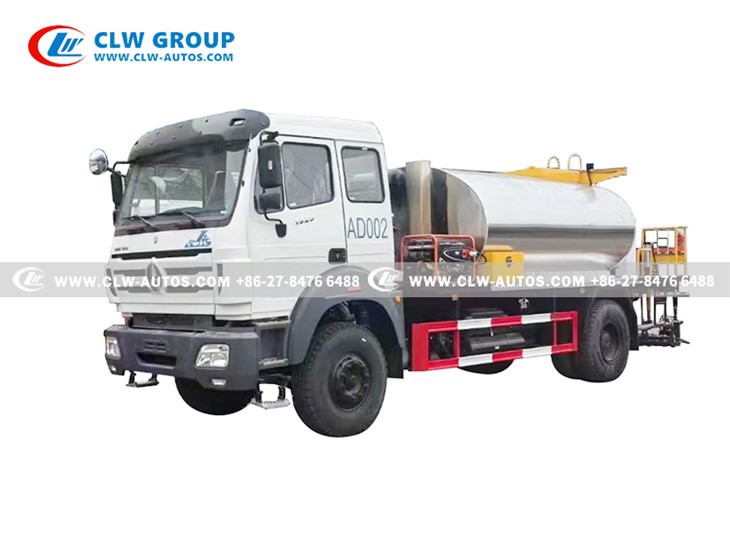
Taillights
Taillights serve multiple purposes. They indicate the presence, position, and size of the LPG tanker truck to other road users, especially during the night or in poor weather conditions. Red taillights are standard around the world, and they are typically designed to be highly visible from a distance.
In addition to the basic red taillights, many LPG tanker trucks are equipped with additional lighting features such as brake lights and turn signals integrated into the taillight assembly. Brake lights illuminate more brightly when the driver applies the brakes, warning following vehicles of a potential slowdown or stop. Turn signals, usually amber in color, indicate the intended direction of the truck's movement, allowing other drivers to anticipate its actions.
Side Marker Lights
Side marker lights are small lights located along the sides of the LPG tanker truck. They help other road users, especially in intersections or when passing, to accurately judge the width and length of the vehicle. These lights are typically white at the front and red at the rear of the truck. They are often in the form of LED strips, which are energy - efficient and can be easily installed along the truck's bodywork.
Hazard Lights
Hazard lights are an important safety feature. They are used to indicate that the LPG tanker truck is in a hazardous or emergency situation. When activated, all the turn signals on the vehicle flash simultaneously. Hazard lights are crucial in situations such as a breakdown on the side of the road or when there is an immediate danger associated with the truck, like a gas leak. They alert other drivers to exercise caution and give the truck a wide berth.
2. Interior Lighting Systems
Cab Lighting
The cab lighting of an LPG tanker truck provides illumination for the driver and passengers inside the cab. It includes overhead lights, dashboard lights, and footwell lights. Overhead lights are used for general illumination when the driver needs to find something in the cab or when entering and exiting the vehicle. Dashboard lights are essential for the driver to read the various gauges and instruments, such as the speedometer, fuel gauge, and warning lights.
LED lighting is commonly used for cab lighting due to its low power consumption and long lifespan. Some modern LPG tanker trucks also feature adjustable cab lighting, allowing the driver to adjust the brightness according to their preference and the ambient light conditions.
Compartment Lighting
LPG tanker trucks often have compartments for storage or access to various components. Compartment lighting is installed inside these compartments to provide visibility when maintenance or inspection work is being carried out. For example, the compartment where the valves and fittings of the LPG tank are located may have a dedicated light. This ensures that workers can safely and accurately perform their tasks without the risk of tripping or misidentifying components in the dark.
3. Safety - Related Lighting Systems
Emergency Exit Lights
In case of an emergency, such as a fire or a major mechanical failure, emergency exit lights guide the driver and passengers to the exits of the LPG tanker truck. These lights are usually illuminated by battery - powered LED units and are strategically placed near the exits. They are designed to be highly visible even in smoky or low - light conditions, ensuring a safe and quick evacuation.
Flammable Gas Warning Lights
LPG is a flammable gas, and the presence of a gas leak can be extremely dangerous. Flammable gas warning lights are connected to gas detection sensors installed on the LPG tanker truck. When the sensors detect a certain level of LPG in the air, the warning lights will illuminate, usually accompanied by an audible alarm. This alerts the driver and nearby personnel to the potential danger and allows them to take immediate action, such as evacuating the area and notifying the relevant authorities.
Grounding Warning Lights
Proper grounding is essential when loading or unloading LPG from the tanker truck to prevent static electricity buildup, which could potentially cause an explosion. Grounding warning lights are used to indicate whether the truck is properly grounded. If the grounding connection is not secure or if there is a problem with the grounding system, the warning light will come on, reminding the operator to check and correct the grounding setup before proceeding with the loading or unloading process.
4. Specialized Lighting for LPG Tanker Trucks
Tank Inspection Lights
Inspecting the LPG tank is a critical part of the maintenance process. Tank inspection lights are designed to provide sufficient illumination inside the large and often dark LPG tanks. These lights are usually high - intensity and waterproof, as they may need to be used in wet or humid conditions. They are often attached to flexible arms or poles, allowing the inspector to reach different parts of the tank easily.
Anti - Collision Lights
Given the large size and potentially dangerous cargo of LPG tanker trucks, anti - collision lights are an important addition. These lights are typically installed on the front, rear, and sides of the truck. They use advanced technologies such as infrared or laser sensors to detect the presence of other vehicles or objects in close proximity. When an impending collision is detected, the anti - collision lights will flash rapidly, providing an additional warning to the driver and other road users.
As a professional LPG tanker truck supplier, we ensure that all our trucks are equipped with the latest and most reliable lighting systems. Our commitment to safety and quality means that every lighting component is carefully selected and installed to meet the highest industry standards.
If you are interested in our LPG tanker trucks or have any questions about their lighting systems or other features, we encourage you to [initiate a contact for procurement and negotiation]. We look forward to serving you and meeting your transportation needs.
References
- "Vehicle Lighting Standards and Regulations" - International Association of Road Transport Union
- "Safety Guidelines for LPG Tanker Trucks" - National Fire Protection Association
- "LED Lighting Technology in Commercial Vehicles" - Journal of Automotive Engineering