


Hey there, fellow RV enthusiasts! As a supplier of LPG tanks, I often get asked whether it's okay to use an LPG tank in a recreational vehicle. Well, the short answer is yes, you can! But there are a bunch of things you need to know to make sure you do it safely and legally. So, let's dive right in and explore the ins and outs of using LPG tanks in RVs.
Why use LPG in an RV?
First off, let's talk about why LPG is a popular choice for RVs. LPG, or liquefied petroleum gas, is a clean-burning fuel that's readily available at many gas stations and RV parks. It's also relatively inexpensive compared to other fuels, making it a cost-effective option for powering your RV.
One of the biggest advantages of using LPG in an RV is its versatility. You can use it to power your RV's stove, oven, refrigerator, water heater, and even your furnace. This means you can enjoy all the comforts of home while on the road, without having to rely on electricity or other fuels.
Another benefit of LPG is its portability. LPG tanks come in a variety of sizes, so you can choose the one that best suits your needs. Whether you're going on a weekend camping trip or a long-term RV adventure, you can easily transport your LPG tank with you.
Safety considerations
Now, let's talk about safety. Using an LPG tank in an RV can be safe as long as you follow some basic safety guidelines. Here are some important things to keep in mind:
Choose the right tank
When choosing an LPG tank for your RV, it's important to choose one that's the right size and type for your needs. Make sure the tank is designed for use in RVs and is certified by a recognized testing agency.
Install the tank properly
Proper installation of the LPG tank is crucial for safety. The tank should be installed in a well-ventilated area, away from heat sources and open flames. It should also be securely mounted to prevent it from moving or tipping over while the RV is in motion.
Check for leaks
Regularly check the LPG tank and its connections for leaks. You can use a leak detector solution or a soapy water solution to check for leaks. If you detect a leak, turn off the LPG supply immediately and have the tank and its connections repaired by a qualified technician.
Follow the manufacturer's instructions
Always follow the manufacturer's instructions when using and maintaining the LPG tank. This includes filling the tank, storing it, and performing regular maintenance.
Legal requirements
In addition to safety considerations, there are also legal requirements that you need to follow when using an LPG tank in an RV. These requirements vary depending on the country and state you're in, so it's important to check the local regulations before using an LPG tank in your RV.
In general, you'll need to make sure the LPG tank is properly installed and maintained, and that it meets the relevant safety standards. You may also need to have the tank inspected and certified on a regular basis.
Types of LPG tanks for RVs
There are several types of LPG tanks available for RVs, each with its own advantages and disadvantages. Here are some of the most common types:
Portable LPG tanks
Portable LPG tanks are the most common type of LPG tank used in RVs. They come in a variety of sizes, ranging from small 5-pound tanks to large 40-pound tanks. Portable LPG tanks are easy to transport and can be refilled at many gas stations and RV parks.
Built-in LPG tanks
Built-in LPG tanks are permanently installed in the RV and are typically larger than portable LPG tanks. They offer a greater capacity and can provide a longer supply of LPG. Built-in LPG tanks are also more convenient, as you don't have to worry about transporting and refilling portable tanks.
Propane cylinders
Propane cylinders are similar to portable LPG tanks, but they're specifically designed for use with propane gas. Propane cylinders are available in a variety of sizes and can be refilled at many gas stations and RV parks.
Where to buy LPG tanks for RVs
As an LPG tank supplier, I can offer you a wide range of LPG tanks for your RV. We have portable LPG tanks, built-in LPG tanks, and propane cylinders in various sizes and capacities. Our tanks are certified by recognized testing agencies and are designed to meet the highest safety standards.
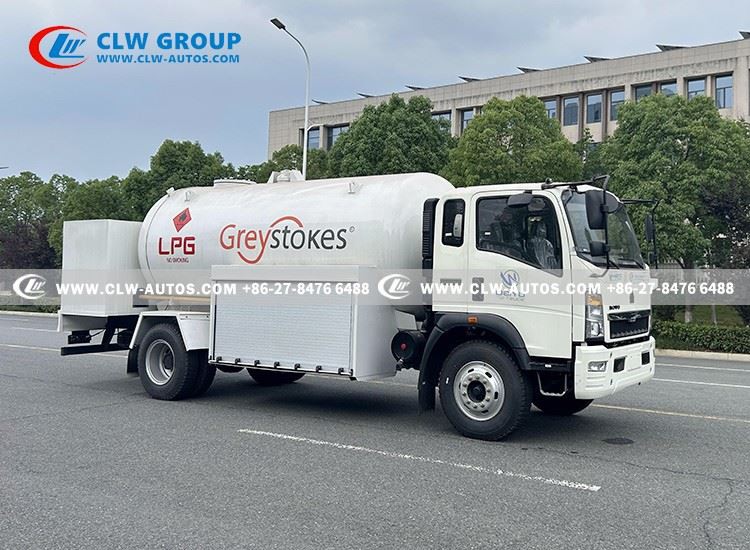
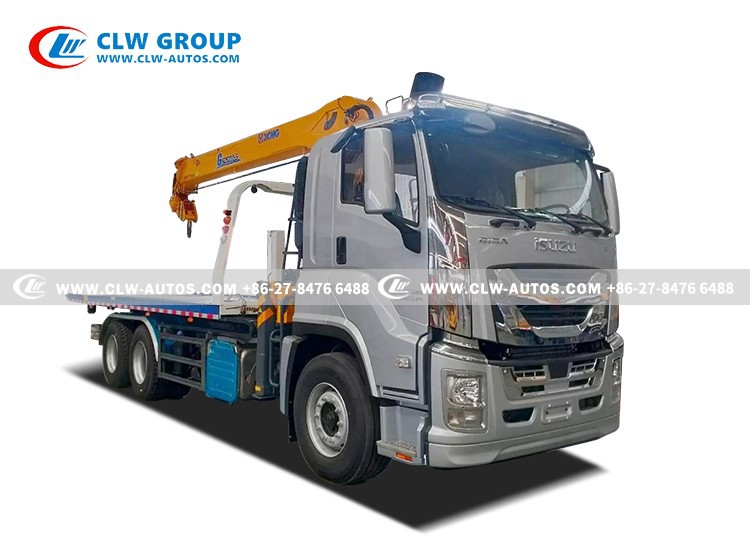
If you're interested in purchasing an LPG tank for your RV, you can check out our 3 Axle 30tons LPG Tank Trailer With Pumping And Flow Meter, ISUZU Towing Truck With 8-tons Crane, and Ghana LPG Bobtail. These products are designed to provide reliable and efficient LPG storage and transportation solutions for your RV.
Conclusion
In conclusion, using an LPG tank in a recreational vehicle is a safe and convenient way to power your RV's appliances and equipment. However, it's important to follow some basic safety guidelines and legal requirements to ensure your safety and the safety of others.
If you have any questions or need more information about using an LPG tank in your RV, please don't hesitate to contact us. We're here to help you choose the right LPG tank for your needs and provide you with the support and advice you need to use it safely and effectively.
So, what are you waiting for? Start enjoying the benefits of using an LPG tank in your RV today!
References
- National Fire Protection Association. (2021). NFPA 58: Liquefied Petroleum Gas Code.
- RVIA. (2021). RV Industry Association Standards and Recommended Practices.
- U.S. Department of Transportation. (2021). Hazardous Materials Regulations.