


Hey there! I'm a supplier of Vacuum Suction Trucks, and I often get asked about the legal requirements for operating these bad boys. So, I thought I'd put together this blog post to break it all down for you.
First off, let's talk about licensing. In most places, you need a special license to operate a Vacuum Suction Truck. This is because these trucks are heavy-duty vehicles that require specific skills to handle safely. The type of license you need can vary depending on the size and weight of the truck, as well as the nature of the work you'll be doing.
For smaller Vacuum Suction Trucks, a regular commercial driver's license (CDL) might be sufficient. But for larger trucks, especially those used for industrial or hazardous waste removal, you'll likely need a Class A or Class B CDL with additional endorsements. These endorsements are like little add - ons to your license that show you're qualified to handle certain types of loads or equipment. For example, if you're going to be transporting hazardous materials, you'll need a hazmat endorsement. It's not just a piece of paper; it means you've passed extra training and background checks to ensure you can deal with potentially dangerous substances safely.
Next up is vehicle registration. Just like any other vehicle, your Vacuum Suction Truck needs to be properly registered with the local Department of Motor Vehicles (DMV) or equivalent agency. You'll have to provide some basic information about the truck, like its make, model, year, and vehicle identification number (VIN). You'll also need to pay a registration fee, which can vary depending on the state or country you're in.
When it comes to registration, you might also have to provide proof of insurance. Insurance is super important for Vacuum Suction Trucks. It protects you, your business, and the public in case of an accident. There are different types of insurance you should consider. Liability insurance is a must - have. It covers you if you cause damage to someone else's property or injure someone while operating the truck. Collision insurance can help pay for repairs to your truck if it's in an accident, and comprehensive insurance covers non - collision damage, like theft or vandalism.
Now, let's move on to environmental regulations. Vacuum Suction Trucks are often used for tasks like sewage removal, industrial waste collection, and spill cleanup. Because of this, they're subject to a whole bunch of environmental laws. You need to make sure you're following all the rules when it comes to collecting, transporting, and disposing of waste.
For starters, you have to know what kind of waste you're dealing with. Some waste is considered hazardous, like chemicals or radioactive materials, and requires special handling procedures. You need to have the right equipment to contain and transport this waste safely. There are also strict rules about where you can dispose of it. You can't just dump it anywhere. You have to take it to an approved waste disposal facility that's equipped to handle the specific type of waste.
In addition to waste disposal, there are also regulations regarding emissions. Vacuum Suction Trucks are big vehicles, and they can produce a lot of exhaust. Many areas have strict emissions standards that your truck needs to meet. This might mean installing special pollution - control devices on the engine, like catalytic converters or particulate filters. You'll also have to keep up with regular maintenance to make sure these devices are working properly.
Another important aspect is safety equipment. Your Vacuum Suction Truck should be equipped with all the necessary safety gear. This includes things like warning lights, reflectors, and safety signs. Warning lights are crucial, especially if you're working on the side of the road or in low - visibility conditions. They let other drivers know that there's a large vehicle stopped or operating in the area. Reflectors also help make your truck more visible at night.
You should also have safety equipment inside the truck, like fire extinguishers and first - aid kits. In case of an emergency, these can be life - savers. And don't forget about personal protective equipment (PPE) for the driver and any other workers. This might include gloves, goggles, respirators, and protective clothing, depending on the nature of the work.
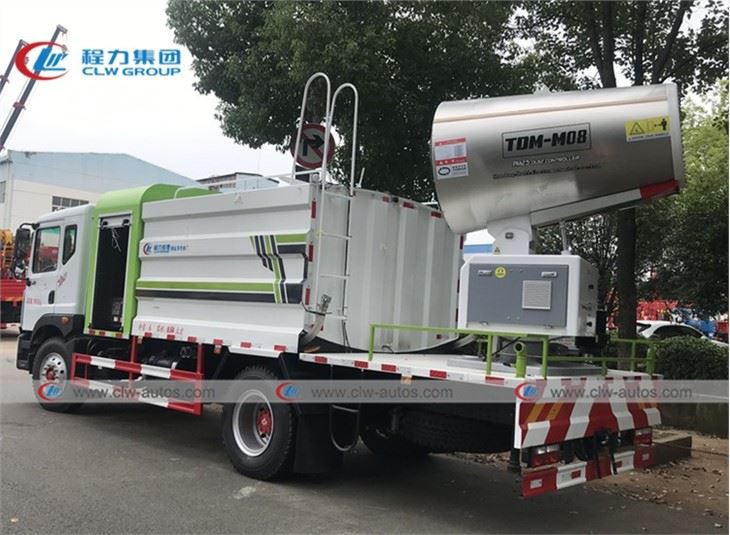
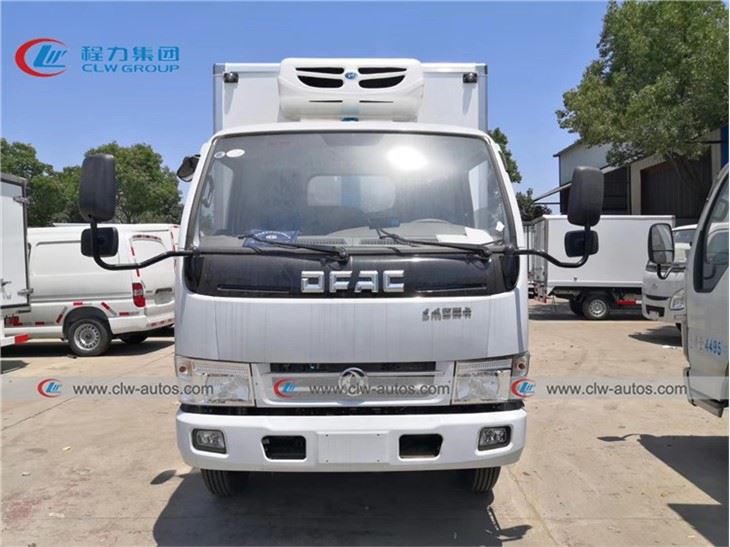
Now, I want to mention a few other types of trucks that might be of interest to you. If you're in the business of transporting perishable goods, check out the Foton 4X2 Gasoline Type Refrigerator Box Van Truck. It's a great option for keeping your goods cool during transit. And if you need a larger freezer truck, the Dongfeng 6 - wheel 3Tons 4Tons Freezer Truck could be just what you're looking for. Also, for those in the cleaning or dust - control business, the China 10Tons Dust Suppression Tank Truck is a powerful tool to keep the air clean at construction sites or other dusty areas.
When it comes to inspections, your Vacuum Suction Truck will need to pass regular safety inspections. These inspections are usually done by the DMV or a certified inspection station. They'll check things like the brakes, tires, lights, and the overall structural integrity of the truck. If your truck fails an inspection, you'll have to make the necessary repairs before you can get it back on the road.
There are also industry - specific regulations depending on what you're using the Vacuum Suction Truck for. For example, if you're in the septic tank cleaning business, there are local health department regulations you need to follow. They might have rules about how often you can clean a septic tank, how you should dispose of the waste, and what kind of records you need to keep.
Finally, let's talk about training. It's not enough to just have a license; you need to be properly trained to operate a Vacuum Suction Truck. This includes both theoretical and practical training. Theoretical training covers things like safety procedures, equipment operation, and environmental regulations. Practical training, on the other hand, is all about getting behind the wheel and learning how to use the truck's features, like the suction system and the waste tank.
If you're thinking about getting into the Vacuum Suction Truck business or already own one, it's important to stay up - to - date with all these legal requirements. Ignoring them can lead to some serious consequences, like fines, license suspension, or even legal action.
So, if you're interested in getting a high - quality Vacuum Suction Truck that meets all the legal standards, or if you have any questions about the legal requirements we've discussed, feel free to reach out. We're here to help you navigate the complex world of truck operation regulations and find the perfect truck for your business needs. Whether you're just starting out or looking to expand your fleet, we've got you covered.
References
- Department of Motor Vehicles (DMV) official guidelines in various states and countries
- Federal Motor Carrier Safety Administration (FMCSA) regulations
- Environmental Protection Agency (EPA) regulations regarding waste disposal and emissions