
Determining the average weight of a refrigerated van is a complex task that depends on multiple factors, including its size, construction materials, refrigeration system, and intended use. As a seasoned supplier of refrigerated vans, we've dealt with a wide range of vehicles and understand the nuances that influence their weight.
Factors Affecting the Weight of Refrigerated Vans
Size and Dimensions
One of the most significant factors is the size of the van. Larger vans naturally have more mass due to the increased volume of materials used in their construction. A small - capacity refrigerated van, typically used for local deliveries of small quantities of goods, might have an interior volume of around 10 - 20 cubic meters. On the other hand, larger vans, which can be used for long - distance transportation and bulk deliveries, can have interior volumes exceeding 40 cubic meters.
The length, width, and height of the van all contribute to its overall volume and, consequently, its weight. A longer van will require more metal for its frame and body panels, while a taller van may need additional structural support to maintain stability.
Construction Materials
The materials used in building the van play a crucial role in determining its weight. The frame of the van is usually made of steel or aluminum. Steel is a traditional choice and is known for its strength and durability. However, it is relatively heavy. Aluminum, on the other hand, is lighter but can be more expensive.
The walls of the refrigerated compartment are also important. Many modern refrigerated vans use a sandwich panel construction. These panels consist of an insulating core, usually made of materials like polyurethane foam, sandwiched between two sheets of metal or fiberglass. The type and thickness of the insulating material can affect both the insulation efficiency and the weight of the van. A thicker layer of insulation will provide better temperature control but will also add to the overall weight.
Refrigeration System
The refrigeration system is a key component of a refrigerated van, and its weight can vary significantly. There are different types of refrigeration systems available, such as compressor - based systems and absorption - based systems. Compressor - based systems are more common and generally heavier because they require a compressor, condenser, and evaporator.
The size of the refrigeration unit is also related to the cooling capacity required. A van used for transporting ice - cream or fresh produce that needs to be kept at very low temperatures will require a more powerful refrigeration system, which is likely to be heavier than a system used for keeping mildly chilled goods.
Payload Capacity
The intended payload capacity of the van also affects its weight. Vans designed to carry heavier loads need to have a stronger and more robust structure, which adds to the vehicle's own weight. For example, a van with a payload capacity of 2 tons will require a sturdier chassis and suspension system compared to a van with a 500 - kilogram payload capacity.
Average Weight Ranges
Based on our experience, here are some general weight ranges for different types of refrigerated vans:
Small Refrigerated Vans
Small refrigerated vans, often used for local food deliveries or pharmaceutical transports, usually have a gross vehicle weight (GVW) in the range of 2 - 3.5 tons. These vans typically have a payload capacity of around 500 - 1500 kilograms. The van itself, without any load, might weigh between 1.5 - 2.5 tons. The relatively low weight makes them more fuel - efficient and maneuverable in urban areas.
For example, if you are looking for a small - scale ice - cream delivery solution, you might consider a 1Ton Ice Cream Delivery Freezer Truck With Thermo King Refrigerator. This type of van combines a relatively light weight with sufficient cooling capacity for transporting ice - cream in small quantities.
Medium - Sized Refrigerated Vans
Medium - sized refrigerated vans are more commonly used for regional deliveries. They typically have a GVW of 3.5 - 7.5 tons. The payload capacity can range from 1.5 - 4 tons. The unloaded weight of these vans is usually between 2.5 - 4 tons. These vans strike a balance between size, payload capacity, and weight, making them suitable for a variety of distribution tasks.
Large Refrigerated Vans and Trucks
Large refrigerated vans and trucks, used for long - distance and bulk transportation of refrigerated goods, can have a GVW exceeding 7.5 tons. Some heavy - duty models can even go up to 26 tons or more. The payload capacity of these vehicles can be as high as 20 tons. The unloaded weight of large refrigerated trucks can range from 4 - 10 tons, depending on their size and construction.
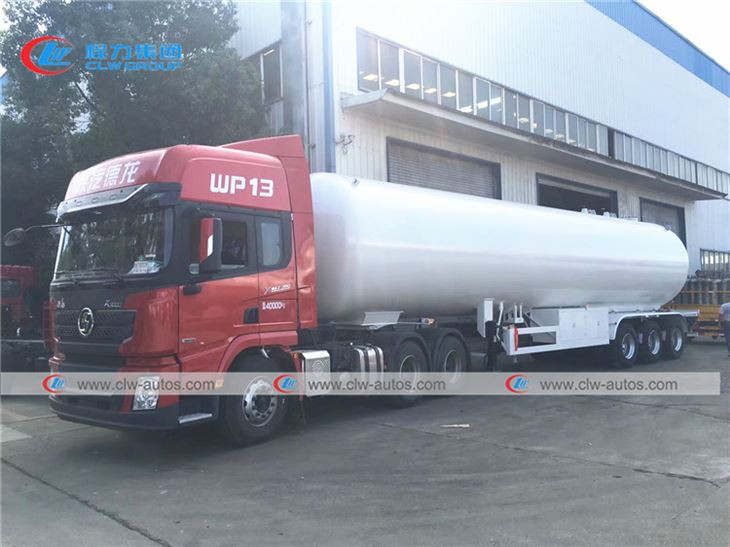
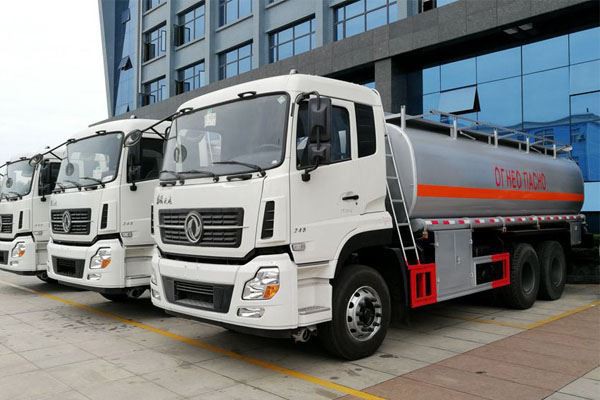
In the context of large - scale transportation, we also offer other types of specialized vehicles, such as the 30Tons 59520liters LPG Road Tanker and the Dongfeng Fuel Tank Truck, which are designed for specific liquid transportation needs but share some similarities in terms of construction and weight considerations with refrigerated vans.
Importance of Knowing the Weight
Understanding the average weight of a refrigerated van is crucial for several reasons. Firstly, it helps in determining the appropriate vehicle for a specific task. If you are operating in an area with weight restrictions on roads or bridges, choosing a van that is too heavy can lead to legal issues and fines.
Secondly, the weight of the van affects its fuel efficiency. A heavier van will generally consume more fuel, which can significantly impact operating costs over time. By choosing a van with an appropriate weight for the intended payload, you can optimize fuel consumption and reduce expenses.
Finally, the weight of the van is also important for safety. Overloading a van can affect its handling, braking, and stability, increasing the risk of accidents. Knowing the van's weight and payload capacity allows you to load it safely and ensure the well - being of the driver and other road users.
Conclusion
In conclusion, the average weight of a refrigerated van varies widely depending on its size, construction materials, refrigeration system, and payload capacity. Small vans typically weigh between 1.5 - 2.5 tons unloaded, medium - sized vans between 2.5 - 4 tons, and large vans and trucks can weigh 4 - 10 tons or more.
If you are in the market for a refrigerated van, it is essential to consider your specific requirements, such as the type of goods to be transported, the delivery area, and the expected payload. Our team of experts is here to help you make the right choice. We have a wide range of refrigerated vans and related vehicles to meet your needs. Whether you need a small - scale delivery van or a large - capacity truck, we can provide you with the best solutions. Reach out to us for detailed product information and to start a procurement discussion.
References
- Automotive Industry Handbook: Contains detailed information on vehicle construction materials and weight considerations.
- Transport Engineering Research: Publications covering the relationship between vehicle weight, fuel efficiency, and safety.