
As a supplier of LED trucks, I often get asked a wide range of questions from customers. One question that has been coming up more frequently lately is, "Can I use solar panels to power the LED lights on my truck?" This is an interesting query that touches on the intersection of renewable energy and automotive technology. In this blog post, I'll explore the feasibility of using solar panels to power truck LED lights, the benefits, challenges, and what you need to consider if you're thinking about making this switch.
The Basics of Solar Power and LED Lights
Let's start with the fundamentals. Solar panels work by converting sunlight into electricity through a process called the photovoltaic effect. When sunlight hits the solar cells in the panel, it causes electrons to be knocked loose, creating an electric current. This direct current (DC) is then typically converted into alternating current (AC) for use in most household appliances. However, LED lights operate on DC power, which means we can potentially use the solar - generated DC power directly, skipping the conversion step.
LED lights are known for their energy efficiency. They consume significantly less power compared to traditional incandescent or fluorescent lights. This low power consumption makes them an ideal candidate for solar - powered applications. For a truck, LED lights can be used for various purposes, such as interior lighting, exterior marker lights, and even high - intensity work lights.
Feasibility of Solar - Powered LED Lights on Trucks
The feasibility of using solar panels to power LED lights on a truck depends on several factors.
1. Power Requirements
The first thing you need to determine is the power requirements of your LED lights. Different types of LED lights have different power ratings. For example, a small interior LED dome light might have a power rating of 5 - 10 watts, while a high - intensity exterior work light could be 50 watts or more. You need to calculate the total power consumption of all the LED lights you want to power.
Let's say you have a total of 100 watts of LED lights on your truck. A typical solar panel might have a power output of around 100 - 300 watts under ideal sunlight conditions. If your truck is parked in direct sunlight for several hours a day, a single 100 - watt solar panel could potentially meet the power needs of your 100 - watt LED lights. However, sunlight is not constant throughout the day. Cloudy days, the angle of the sun, and the position of the truck can all affect the amount of sunlight the solar panel receives.
2. Solar Panel Placement
The placement of solar panels on a truck is crucial. Trucks have limited surface area for solar panel installation. You need to find a location where the solar panels can receive maximum sunlight. The roof of the truck is often the best option, as it is usually the most exposed to sunlight. However, you also need to consider factors such as wind resistance, potential damage from low - hanging branches or other obstacles, and the weight of the solar panels.
3. Battery Storage
Since sunlight is not available 24/7, you will need a battery to store the solar - generated power. A deep - cycle battery is a good choice for this purpose. It can store the excess power generated during the day and supply it to the LED lights at night or when the truck is in a shaded area. The size of the battery you need depends on the power consumption of your LED lights and how long you want to run them without sunlight.
Benefits of Solar - Powered LED Lights on Trucks
There are several benefits to using solar panels to power the LED lights on your truck.
1. Cost Savings
Over time, using solar power can lead to significant cost savings. You'll reduce your reliance on the truck's main battery or the vehicle's electrical system, which means less wear and tear on the alternator. Additionally, you won't have to pay for the electricity used to power the LED lights, as the sun is a free and renewable energy source.
2. Environmental Friendliness
Solar power is a clean and renewable energy source. By using solar - powered LED lights on your truck, you're reducing your carbon footprint. This is especially important for companies that are looking to adopt more sustainable practices.
3. Independence
Solar - powered LED lights give your truck a degree of energy independence. You don't have to worry about finding a power outlet or draining the truck's battery when using the lights. This can be particularly useful for trucks that are used in remote locations.
Challenges
While there are many benefits, there are also some challenges associated with using solar panels to power truck LED lights.
1. Initial Investment
The upfront cost of purchasing and installing solar panels and a battery storage system can be high. You'll need to factor in the cost of the solar panels, mounting hardware, battery, charge controller, and any wiring. However, over the long - term, the cost savings on energy can offset this initial investment.
2. Maintenance
Solar panels require some maintenance. They need to be kept clean to ensure maximum sunlight absorption. Dust, dirt, and bird droppings can reduce the efficiency of the solar panels. Additionally, the battery needs to be maintained properly to ensure its longevity.
3. Weather Dependence
As mentioned earlier, solar power is weather - dependent. On cloudy days or during the winter months when sunlight is limited, the solar panels may not generate enough power to meet the needs of the LED lights. This means you may still need to rely on the truck's main battery or another power source as a backup.
Considerations for LED Truck Suppliers
As an LED truck supplier, I need to consider these factors when advising customers. We need to provide accurate information about the power requirements, the expected performance of solar - powered systems, and the associated costs. We can also offer pre - installed solar - powered LED lighting packages or retrofit kits for existing trucks.
For example, if a customer is interested in a 90 ft Mobile Aerial Work Platform Vehicle, they may need high - intensity work lights. We can recommend a larger solar panel system and a high - capacity battery to ensure the lights can operate for extended periods.
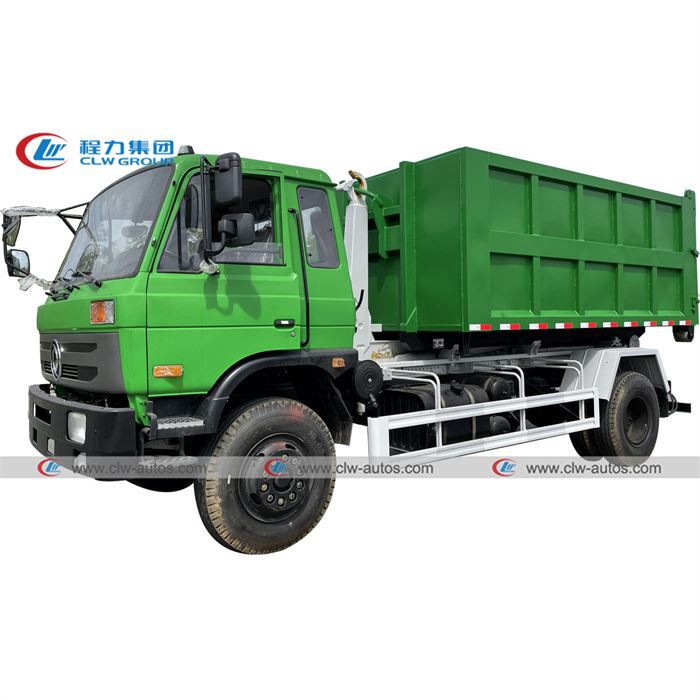
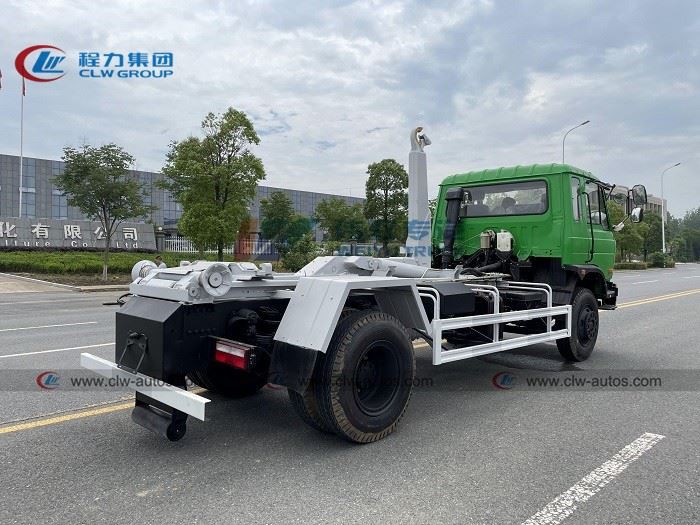
Similarly, for customers looking at waste management trucks like the ISUZU 20m3 Hook Arm Garbage Truck or the Dongfeng 13,000L 13cbm Hydraulic Hook Lift Garbage Truck, we can suggest solar - powered interior and exterior lights that are durable and energy - efficient.
Conclusion
In conclusion, it is possible to use solar panels to power the LED lights on a truck. However, it requires careful consideration of power requirements, solar panel placement, battery storage, and the associated costs and challenges. As an LED truck supplier, we are committed to helping our customers make informed decisions about solar - powered LED lighting solutions.
If you are interested in exploring solar - powered LED lighting options for your truck, we encourage you to contact us for a detailed consultation. Our team of experts can help you determine the best system for your specific needs and budget. We look forward to working with you to make your truck more energy - efficient and sustainable.
References
- "Solar Energy Basics", U.S. Department of Energy.
- "LED Lighting Technology", Illuminating Engineering Society.
- "Battery Storage for Renewable Energy Systems", National Renewable Energy Laboratory.