


As an LPG station supplier, I've seen my fair share of issues with LPG pumps over the years. It's crucial to be able to spot the signs of a malfunctioning pump early on to avoid any major problems. In this blog, I'll share some of the common signs that your LPG station pump might be acting up.
1. Inconsistent Fuel Dispensing
One of the most obvious signs that something's wrong with your LPG pump is inconsistent fuel dispensing. You might notice that the amount of LPG being dispensed doesn't match the amount shown on the pump's display. For example, you set the pump to dispense 20 liters, but only 15 liters actually come out. This could be due to a variety of reasons, such as a clogged filter, a faulty flow meter, or a problem with the pump's valves.
A clogged filter can restrict the flow of LPG, causing the pump to dispense less fuel than it should. The flow meter is responsible for measuring the amount of LPG being dispensed, and if it's not working properly, it can give inaccurate readings. Valves control the flow of LPG through the pump, and if they're stuck or damaged, they can also affect the dispensing process.
2. Unusual Noises
If your LPG pump starts making strange noises, it's definitely a cause for concern. Normal operation of an LPG pump should be relatively quiet. However, if you hear grinding, rattling, or squealing sounds, it could indicate a mechanical problem.
Grinding noises might suggest that there's something wrong with the pump's motor or gears. Rattling could be a sign of loose components inside the pump, while squealing might be due to a worn - out belt or a problem with the bearings. These issues can worsen over time if not addressed, and they could eventually lead to a complete pump failure.
3. Leaks
LPG is a highly flammable gas, so any signs of leaks are extremely dangerous. You might notice a strong smell of LPG around the pump, or you could see visible signs of a leak, such as a puddle of liquid LPG on the ground. Leaks can occur at various points in the pump system, including the hoses, connectors, valves, and the pump itself.
Hoses can develop cracks over time due to wear and tear, especially if they're exposed to harsh environmental conditions. Connectors can become loose, and valves can develop leaks if they're not properly sealed. Even a small leak can be a serious safety hazard, so it's important to address it immediately.
4. Slow Dispensing
If the LPG pump is taking an unusually long time to dispense fuel, it could be a sign of a problem. Slow dispensing can be caused by a number of factors, such as a low - pressure pump, a clogged line, or a problem with the LPG storage tank.
A low - pressure pump might not be able to push the LPG through the system at the normal rate. A clogged line can restrict the flow of LPG, and if the LPG storage tank is running low on pressure, it can also affect the dispensing speed. You can check the pressure gauges on the pump and the storage tank to see if there are any issues with the pressure.
5. Error Codes on the Display
Most modern LPG pumps are equipped with electronic displays that can show error codes when something goes wrong. These error codes can provide valuable information about the specific problem with the pump. For example, an error code might indicate a problem with the flow meter, the temperature sensor, or the pump's control board.
If you see an error code on the pump's display, refer to the pump's manual to find out what it means. In some cases, you might be able to troubleshoot the problem yourself, but in other cases, you'll need to call in a professional technician.
6. High Energy Consumption
If you notice a sudden increase in the energy consumption of your LPG pump, it could be a sign of a malfunction. A pump that's not working efficiently has to work harder to dispense the same amount of fuel, which means it will use more energy.
This could be due to mechanical problems, such as worn - out parts or misaligned components, or it could be related to electrical issues, such as a faulty motor or a problem with the pump's control system. Monitoring the energy consumption of your pump regularly can help you detect any abnormal increases early on.
7. Difficulty in Starting or Stopping
The pump should start and stop smoothly when you operate it. If you have trouble starting the pump, it could be due to a problem with the electrical system, such as a faulty switch or a dead battery (if it's a battery - powered pump). On the other hand, if the pump doesn't stop when it should, it could be a sign of a problem with the control mechanism.
A faulty switch might not be sending the proper signal to start the pump, and a malfunctioning control mechanism might not be able to shut off the pump once it's reached the desired amount of fuel dispensing.
8. Poor Pressure Regulation
Proper pressure regulation is essential for the safe and efficient operation of an LPG pump. If the pressure in the pump system is too high or too low, it can cause a variety of problems.
Low pressure can result in slow dispensing and inconsistent fuel delivery, as mentioned earlier. High pressure, on the other hand, can put excessive stress on the pump's components, increasing the risk of leaks and mechanical failures. Pressure regulators are used to maintain the correct pressure in the system, and if they're not working properly, the pressure can fluctuate.
Importance of Regular Maintenance
To prevent these issues from occurring, it's crucial to perform regular maintenance on your LPG pumps. This includes cleaning or replacing filters, checking and tightening connections, lubricating moving parts, and inspecting the pump for any signs of wear and tear. Regular maintenance can extend the lifespan of your pumps and ensure that they operate safely and efficiently.
Related Products
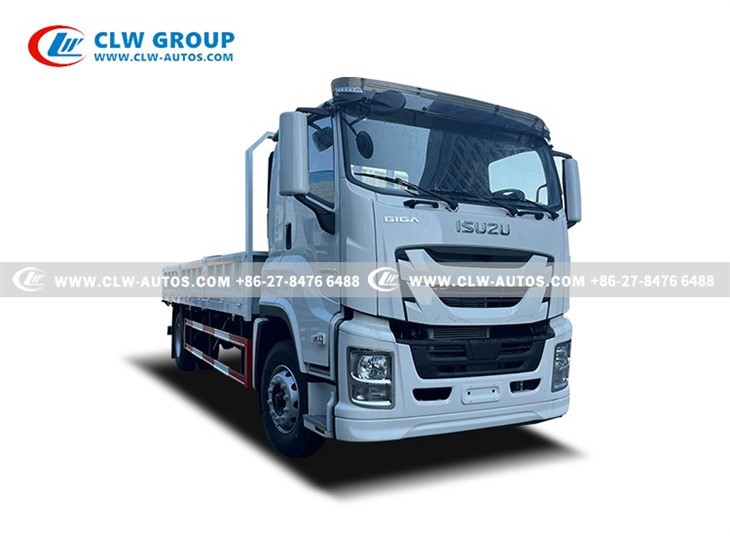
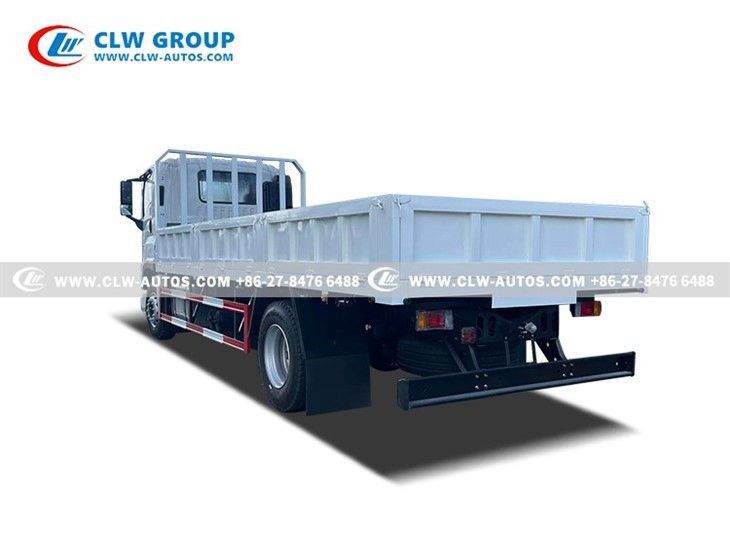
If you're in the market for related products, we have some great options. For transporting LPG, you might be interested in the ISUZU GIGA Cargo Fence Truck 6.8 Meters. It's a reliable vehicle that can handle the transportation of LPG safely.
We also offer spare parts for your vehicles. The ISUZU 100P/600P Accelerator Pedal is an important component for smooth operation. And if you need a trailer for long - distance LPG delivery, the 50CBM Aluminum Fuel Tank Trailer Light Weight For Long Distance Delivery is a great choice.
Contact for Purchase and Consultation
If you're experiencing any of the issues mentioned above with your LPG pumps or if you're interested in our related products, don't hesitate to reach out. We're here to help you solve your problems and find the right solutions for your LPG station needs. Whether it's pump repair, maintenance, or purchasing new equipment, we've got you covered.
References
- "LPG Pump Operation and Maintenance Manuals" from industry - leading LPG pump manufacturers.
- "Safety Guidelines for LPG Stations" published by relevant safety authorities.
- Technical articles on LPG pump systems in industry - specific magazines and online platforms.