


Hey there! As an LPG tank supplier, I know how crucial it is to use LPG tanks safely, especially in cold weather. Cold temperatures can bring a whole bunch of challenges when it comes to LPG tank usage, but with the right knowledge and precautions, you can keep things running smoothly and safely. So, let's dive into how to use an LPG tank safely in cold weather.
Understanding the Impact of Cold Weather on LPG Tanks
First off, we need to understand what cold weather does to LPG tanks. LPG, or liquefied petroleum gas, is stored in tanks as a liquid under pressure. When the temperature drops, the pressure inside the tank also decreases. This is because the LPG contracts in the cold, reducing the vapor pressure. As a result, you might find that your LPG appliances don't work as efficiently or might not work at all.
Another issue is that moisture can accumulate on the outside of the tank in cold weather. This moisture can lead to rust and corrosion over time, which can weaken the tank and pose a safety risk. Plus, if the moisture freezes, it can cause damage to the tank's fittings and valves.
Pre - Cold Weather Checks
Before the cold weather sets in, it's a good idea to give your LPG tank a thorough inspection. Check for any signs of damage, like dents, scratches, or rust. If you notice any issues, it's best to get them fixed right away. You can also have a professional technician come and do a more in - depth inspection.
Make sure the tank's valves and fittings are in good working condition. They should open and close smoothly without any leaks. You can use a soapy water solution to check for leaks. Just apply the solution to the valves and fittings, and if you see bubbles forming, that means there's a leak.
Also, check the tank's level. It's a good idea to keep your tank at least half - full during cold weather. A fuller tank has more LPG, which means more vapor pressure, and it's less likely to be affected by the cold.
Installation and Placement
Proper installation and placement of your LPG tank are key, especially in cold weather. The tank should be installed on a flat, stable surface that's well - drained. This helps prevent water from pooling around the tank and causing damage.
It's also important to keep the tank away from any sources of heat or ignition. In cold weather, people might be tempted to use heaters near the tank to keep it warm, but this is extremely dangerous. LPG is highly flammable, and any spark or flame can cause an explosion.
If possible, install the tank in a sheltered area. This can protect it from direct exposure to cold winds and snow, which can further reduce the temperature of the tank and its contents.
Using LPG Tanks in Cold Weather
When using your LPG tank in cold weather, start by turning on your appliances gradually. Don't try to set them to the highest setting right away. This gives the LPG time to vaporize and build up pressure inside the tank.
If you find that your appliances aren't working properly, don't try to force them. Instead, check the tank's pressure gauge. If the pressure is too low, it could be because of the cold. You can try wrapping the tank with an insulation blanket. This helps keep the tank warmer and maintain the vapor pressure.
However, never use any external heating devices on the tank, like a space heater or a blowtorch. This is extremely dangerous and can lead to an explosion.
Maintenance During Cold Weather
Regular maintenance is essential during cold weather. Keep an eye on the tank's pressure gauge and level. If you notice any sudden drops in pressure or level, it could be a sign of a problem.
Check the tank for any signs of ice or frost buildup. If you see ice on the tank, it could indicate a problem with the vaporization process or a leak. In this case, it's best to turn off the tank and call a professional.
Also, make sure to keep the area around the tank clear of snow and ice. This allows for proper ventilation and prevents any damage to the tank from the weight of the snow.
Our LPG Tank Products
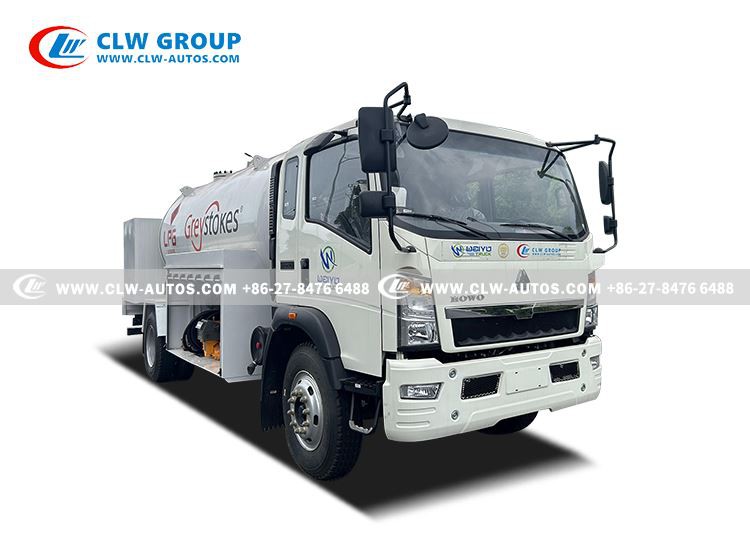
As an LPG tank supplier, we offer a wide range of high - quality LPG tanks suitable for different needs. If you're looking for a reliable option for transporting LPG, check out our Ghana LPG Bobtail. It's designed to handle the transportation of LPG safely and efficiently.
For bulk storage, our 25tons Bulk LPG Bullet Tanks are a great choice. They're built to last and can store a large amount of LPG.
And if you need to transport larger quantities of LPG, our 3 Axle 30tons LPG Tank Trailer With Pumping And Flow Meter is the way to go. It comes with all the necessary features for easy and safe transportation.
Contact for Purchase and Consultation
If you're interested in our LPG tank products or have any questions about using LPG tanks safely in cold weather, don't hesitate to reach out. We're here to help you make the right choice for your LPG needs. Whether you're a homeowner, a business, or an industrial user, we have the products and expertise to meet your requirements.
References
- "LPG Safety Handbook" by industry experts.
- Previous research on the effects of cold weather on LPG tanks.