
Rust is a common and persistent problem that can significantly affect the performance, safety, and lifespan of LPG (liquefied petroleum gas) tanks. As an LPG tank supplier, I've witnessed firsthand the detrimental effects of rust on these essential storage units. In this blog post, I'll share insights on how to prevent rust on an LPG tank, ensuring its longevity and reliability.
Understanding the Causes of Rust on LPG Tanks
Before delving into prevention methods, it's crucial to understand what causes rust on LPG tanks. Rust, scientifically known as iron oxide, forms when iron or steel (common materials in LPG tank construction) reacts with oxygen and water. This reaction is accelerated in the presence of salt, acids, or other corrosive substances.
LPG tanks are often exposed to harsh environmental conditions, including moisture, humidity, and saltwater in coastal areas. Additionally, scratches or dents in the tank's surface can expose the underlying metal to air and moisture, initiating the rusting process.
Importance of Rust Prevention
Rust not only detracts from the appearance of LPG tanks but also poses serious risks. It can weaken the tank's structure, leading to leaks or even catastrophic failures. These failures can result in gas leaks, fires, or explosions, endangering lives and property. Moreover, rust can contaminate the LPG, affecting its quality and performance. By preventing rust, you can ensure the safe and efficient operation of your LPG tanks.
Preventive Measures
1. Choose High - Quality Coating
One of the most effective ways to prevent rust is to apply a high - quality coating to the LPG tank. Coatings act as a barrier between the metal and the environment, preventing oxygen and water from reaching the surface. Epoxy coatings are a popular choice for LPG tanks due to their excellent adhesion, chemical resistance, and durability.
When selecting a coating, it's important to choose one specifically designed for LPG tanks. The coating should be able to withstand the pressure, temperature, and chemical properties of LPG. Additionally, proper surface preparation is crucial before applying the coating. The tank surface should be cleaned, sandblasted, and primed to ensure good adhesion of the coating.
2. Regular Inspections
Regular inspections are essential for detecting and addressing rust issues early. Inspect the tank at least once a year, or more frequently if it is exposed to harsh conditions. Look for signs of rust, such as discoloration, flaking, or bubbling of the paint. Check the tank's seams, valves, and fittings, as these areas are more prone to rust.
If you notice any signs of rust, take immediate action to prevent it from spreading. Minor rust can often be removed by sanding the affected area and reapplying the coating. For more severe rust, it may be necessary to consult a professional for repair or replacement.
3. Keep the Tank Clean and Dry
Moisture is the primary culprit in rust formation. To prevent rust, keep the tank dry and clean. Avoid storing the tank in damp areas, such as basements or near water sources. If the tank gets wet, dry it thoroughly as soon as possible.
Regularly clean the tank to remove dirt, dust, and other debris that can trap moisture. Use mild soap and water to clean the tank, and avoid using abrasive cleaners that can damage the coating.
4. Cathodic Protection
Cathodic protection is a technique used to prevent rust by making the metal surface of the tank a cathode in an electrochemical cell. This is achieved by connecting the tank to a sacrificial anode, such as zinc or magnesium. The sacrificial anode corrodes instead of the tank, protecting it from rust.
Cathodic protection is particularly useful for LPG tanks buried underground or exposed to highly corrosive environments. It should be installed and maintained by a qualified professional to ensure its effectiveness.
5. Proper Storage and Handling
Proper storage and handling of LPG tanks can also help prevent rust. When storing the tank, make sure it is placed on a flat, dry surface. Avoid stacking tanks on top of each other, as this can cause scratches and dents.
During handling, use appropriate lifting equipment and avoid dropping or banging the tank. Any damage to the tank's surface can compromise the coating and increase the risk of rust.
Our Range of LPG Tanks
As an LPG tank supplier, we offer a wide range of high - quality LPG tanks to meet your needs. Our products are designed with rust prevention in mind, using advanced coatings and materials to ensure long - term durability.
For example, our 50000L 20Ton Propane Gas Transport Tank Semi Trailer is built to withstand the rigors of transportation. It features a robust design and a high - quality coating to protect it from rust and other forms of corrosion.
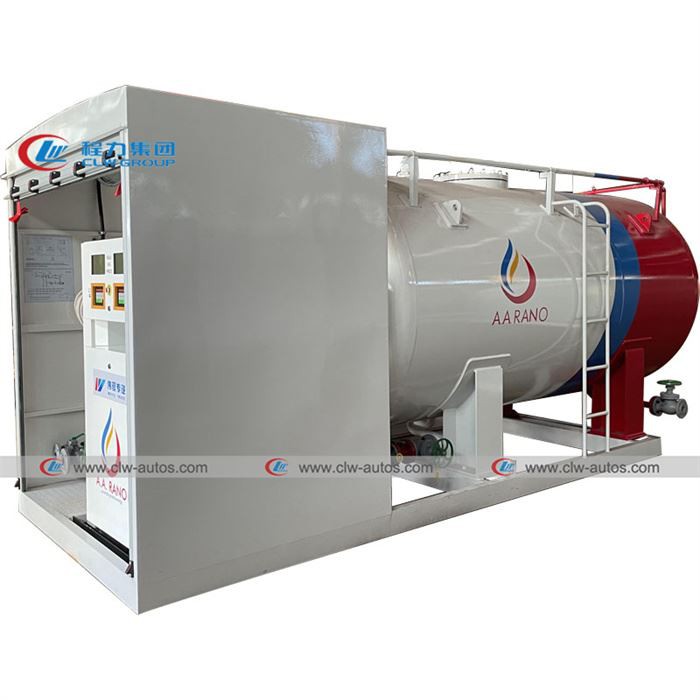
Our 10,000L 5MT LPG Gas Filling Skid Station is another excellent option. It is designed for efficient and safe LPG filling operations, with rust - resistant components to ensure reliable performance.
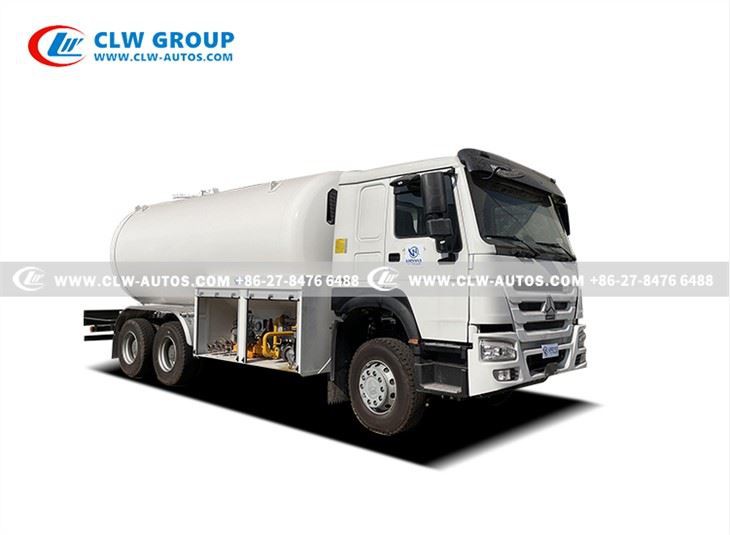
If you need a mobile solution, our 10 Metric Tons 23CBM LPG Bobtail Tank Truck is a great choice. It is equipped with the latest safety features and a durable coating to prevent rust.
Conclusion
Preventing rust on an LPG tank is essential for ensuring its safety, performance, and longevity. By following the preventive measures outlined in this blog post, you can protect your LPG tank from rust and avoid potential hazards.
As an experienced LPG tank supplier, we are committed to providing high - quality products and expert advice on rust prevention. If you are interested in purchasing LPG tanks or need more information on rust prevention, please feel free to contact us for a detailed discussion and procurement negotiation.
References
- "Corrosion Prevention of Liquefied Petroleum Gas Storage Tanks" - Journal of Corrosion Science
- "Handbook of Coating Technologies for Metal Protection" - Wiley - Blackwell
- "Cathodic Protection in Practice" - NACE International