
How to Measure the Pressure Accurately in an LPG Storage Tank?
As a reputable LPG storage tank supplier, we understand the critical importance of accurately measuring the pressure in LPG storage tanks. Liquefied Petroleum Gas (LPG) is a widely used fuel source, and ensuring the safety and proper functioning of storage tanks is paramount. In this blog, we will explore the various methods and considerations for accurately measuring pressure in LPG storage tanks.
Understanding the Importance of Pressure Measurement
Accurate pressure measurement in LPG storage tanks is essential for several reasons. Firstly, it helps in maintaining the safety of the storage facility. LPG is stored under pressure, and if the pressure exceeds the tank's design limits, it can lead to catastrophic failures such as explosions or leaks. By monitoring the pressure regularly, operators can detect any abnormal pressure increases or decreases and take appropriate action to prevent accidents.
Secondly, pressure measurement is crucial for ensuring the efficient operation of the LPG storage system. The pressure in the tank affects the flow rate and delivery of LPG to end - users. If the pressure is too low, it may result in insufficient supply, while excessive pressure can cause damage to the piping and equipment downstream.
Types of Pressure Measurement Devices
There are several types of pressure measurement devices commonly used in LPG storage tanks:
Bourdon Tubes
Bourdon tubes are one of the most widely used mechanical pressure gauges. They work on the principle that a flattened, curved tube will tend to straighten when pressure is applied inside it. The movement of the tube is then translated into a pointer movement on a calibrated scale. Bourdon tube gauges are relatively simple, reliable, and cost - effective. They can measure a wide range of pressures and are suitable for both low and high - pressure applications in LPG storage tanks.
Diaphragm Pressure Gauges
Diaphragm pressure gauges use a flexible diaphragm that deforms under pressure. The deformation of the diaphragm is measured and converted into a pressure reading. These gauges are often used in applications where the pressure is relatively low and where a high degree of accuracy is required. They are also suitable for measuring pressures in corrosive or viscous fluids, which makes them a good choice for LPG storage systems.
Pressure Transducers
Pressure transducers are electronic devices that convert pressure into an electrical signal. They offer high accuracy and can be easily integrated into automated control systems. Pressure transducers are available in different output signals, such as 4 - 20 mA or 0 - 10 V, which can be used to transmit the pressure data to a control room or monitoring system. They are often used in applications where continuous and remote monitoring of pressure is required.
Installation and Calibration of Pressure Measurement Devices
Installation
Proper installation of pressure measurement devices is crucial for accurate readings. The device should be installed at a location where it can accurately measure the pressure in the tank. It should be installed in a way that it is not affected by vibrations, temperature changes, or other external factors that could interfere with the measurement. For example, when installing a pressure gauge on a tank, it should be mounted in a vertical position to ensure accurate readings.
Calibration
Regular calibration of pressure measurement devices is essential to maintain their accuracy. Calibration involves comparing the readings of the device with a known standard. Over time, the performance of pressure measurement devices can degrade due to factors such as wear and tear, temperature variations, and mechanical stress. By calibrating the devices regularly, operators can ensure that the pressure readings are accurate and reliable. Calibration should be carried out by a qualified technician using calibrated reference standards.
Considerations for Measuring Pressure in LPG Storage Tanks
Temperature Effects
The pressure of LPG in a storage tank is highly dependent on temperature. As the temperature increases, the pressure inside the tank also increases, and vice versa. Therefore, when measuring the pressure in an LPG storage tank, it is important to take into account the temperature of the LPG. This can be done by using temperature - compensated pressure sensors or by applying correction factors to the pressure readings based on the temperature.
Vapor - Liquid Interface
In an LPG storage tank, there is a vapor - liquid interface. The pressure above the liquid level (vapor pressure) is different from the pressure at the bottom of the tank. When measuring the pressure, it is important to determine whether the measurement is for the vapor phase or the liquid phase. Pressure gauges or sensors should be installed at the appropriate location to measure the pressure of the desired phase accurately.
Tank Design and Capacity
The design and capacity of the LPG storage tank can also affect the pressure measurement. Different tank designs have different internal structures, which can influence the distribution of pressure within the tank. Larger tanks may have more complex pressure profiles compared to smaller tanks. It is important to consider the specific design and capacity of the tank when selecting and installing pressure measurement devices.
Our LPG Storage Tanks for Your Needs
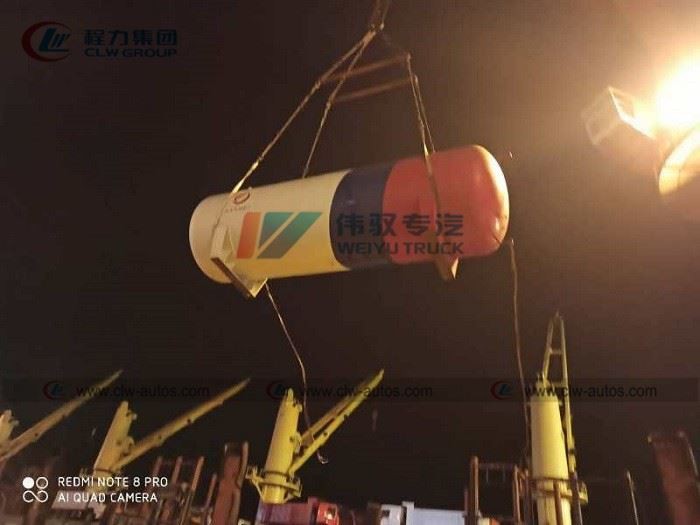
We offer a wide range of high - quality LPG storage tanks to meet the diverse needs of our customers. For example, our 50,000L 25Tons LPG Storage Tank is designed to provide reliable storage for large - scale LPG applications. It is built with high - quality materials and advanced manufacturing techniques to ensure safety and durability.
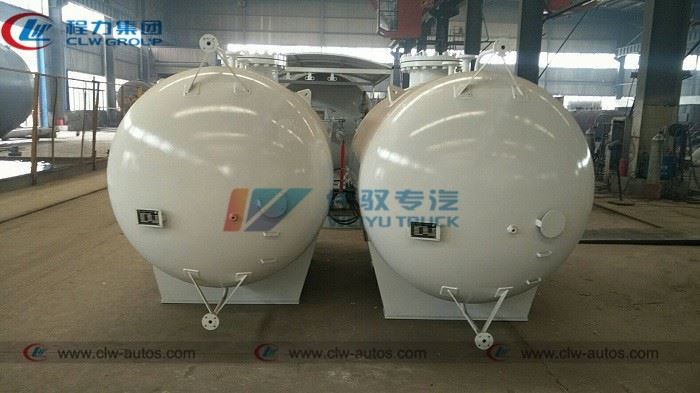
If you are looking for a tank for an LPG refilling plant, our 5000Liters LPG Refilling Plant Tank is an ideal choice. It is designed to meet the specific requirements of refilling operations, with features such as easy access ports and accurate pressure measurement systems.
For customers who need an underground storage solution, our Water Proof 25Ton Buried Underground LPG StorageTank offers a safe and efficient option. It is constructed to be water - proof and corrosion - resistant, ensuring long - term performance even in harsh underground environments.
Contact Us for More Information
If you are interested in our LPG storage tanks or have any questions about pressure measurement in LPG storage systems, we encourage you to contact us. We have a team of experienced professionals who can provide you with detailed information and guidance on selecting the right tank and pressure measurement equipment for your specific needs. Whether you are a small - scale user or a large - scale industrial customer, we are committed to providing you with the best solutions.
References
- "LPG Storage and Handling Safety Guidelines", International Association of LPG Importers
- "Pressure Measurement Handbook", Instrumentation and Control Engineers' Handbook