


Managing the inventory of Liquefied Petroleum Gas (LPG) in a storage tank is a crucial task for any business dealing with this volatile and valuable commodity. As an LPG storage tank supplier, I understand the importance of efficient inventory management to ensure a smooth supply chain, prevent shortages or overstocking, and maintain safety standards. In this blog post, I will share some insights and practical tips on how to effectively manage the inventory of LPG in a storage tank.
Understanding LPG Inventory Management
Before diving into the management strategies, it's essential to understand the basic concepts of LPG inventory management. LPG is a mixture of propane and butane gases, which are liquefied under pressure for easy storage and transportation. The inventory of LPG in a storage tank refers to the quantity of LPG stored at a given time. This inventory needs to be carefully monitored and controlled to meet the demand of customers while minimizing costs and risks.
The key factors that influence LPG inventory management include:
- Demand Forecasting: Accurately predicting the demand for LPG is crucial for maintaining an optimal inventory level. Factors such as seasonal variations, economic conditions, and customer behavior need to be considered when forecasting demand.
- Supply Chain Management: Ensuring a reliable supply of LPG is essential to avoid shortages. This involves establishing strong relationships with suppliers, monitoring transportation schedules, and managing inventory levels at different stages of the supply chain.
- Safety Regulations: LPG is a hazardous substance, and strict safety regulations govern its storage, handling, and transportation. Compliance with these regulations is non-negotiable and requires proper training, equipment, and procedures.
- Cost Management: Managing the cost of LPG inventory is important for the profitability of the business. This includes minimizing storage costs, reducing waste, and optimizing the purchasing process.
Inventory Monitoring and Control
One of the first steps in managing LPG inventory is to establish a system for monitoring and controlling the inventory level. This can be achieved through the use of sensors, gauges, and automated monitoring systems. These tools provide real-time information on the quantity of LPG in the storage tank, allowing for timely decision-making.
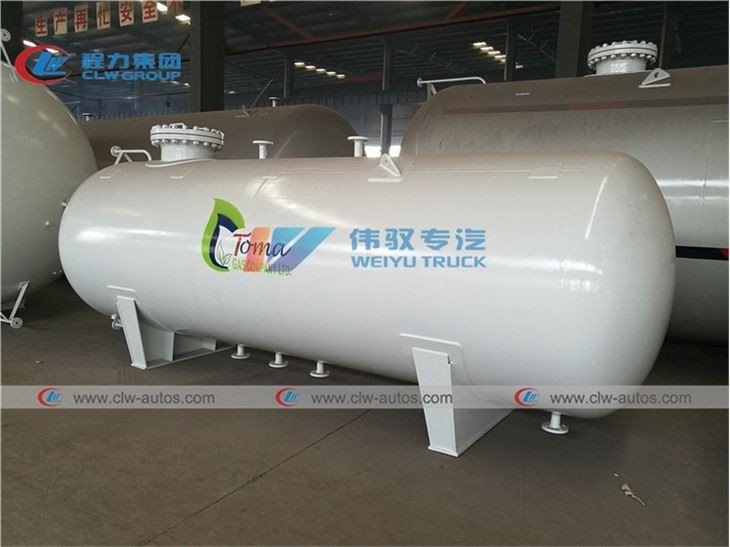
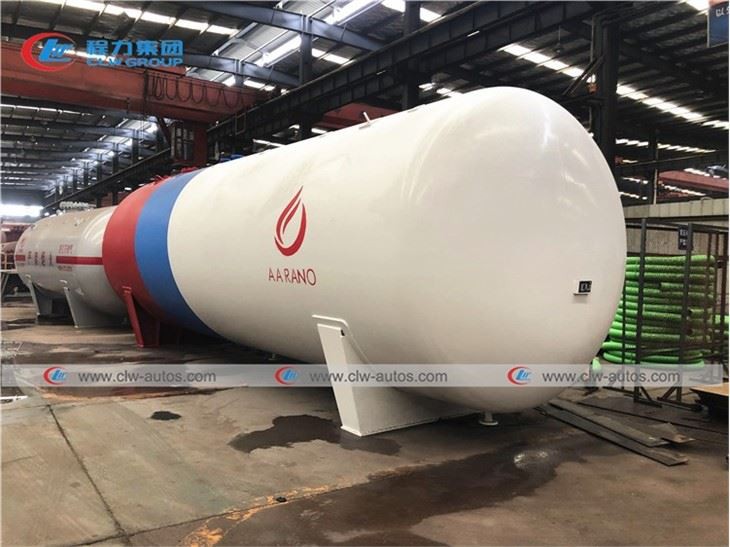
Regular inventory audits are also essential to ensure the accuracy of the inventory records. This involves physically measuring the quantity of LPG in the tank and comparing it with the recorded levels. Any discrepancies should be investigated and resolved promptly to prevent inventory errors and losses.
In addition to monitoring the inventory level, it's important to implement a system for controlling the inflow and outflow of LPG. This can be achieved through the use of valves, pumps, and flow meters. These devices allow for precise control of the quantity of LPG being transferred in and out of the storage tank, ensuring that the inventory level remains within the desired range.
Demand Forecasting
Accurate demand forecasting is the foundation of effective LPG inventory management. By understanding the factors that influence demand, businesses can make informed decisions about how much LPG to store and when to replenish the inventory.
There are several methods for demand forecasting, including:
- Historical Data Analysis: Analyzing past sales data can provide valuable insights into the patterns and trends of LPG demand. This can help identify seasonal variations, peak demand periods, and other factors that affect the quantity of LPG required.
- Market Research: Conducting market research can help businesses understand the current and future demand for LPG in the market. This includes analyzing economic indicators, industry trends, and customer preferences.
- Collaboration with Customers: Building strong relationships with customers and collaborating with them can provide valuable information about their future demand for LPG. This can help businesses adjust their inventory levels accordingly and ensure that they are able to meet the needs of their customers.
Supply Chain Management
Managing the supply chain is another critical aspect of LPG inventory management. Ensuring a reliable supply of LPG is essential to avoid shortages and maintain customer satisfaction.
To manage the supply chain effectively, businesses need to:
- Establish Strong Relationships with Suppliers: Building strong relationships with suppliers is crucial for ensuring a reliable supply of LPG. This involves negotiating favorable contracts, establishing clear communication channels, and working closely with suppliers to address any issues or challenges.
- Monitor Transportation Schedules: LPG is typically transported by trucks, railcars, or ships. Monitoring the transportation schedules and ensuring that the LPG is delivered on time is essential to avoid inventory shortages.
- Manage Inventory Levels at Different Stages of the Supply Chain: To optimize the supply chain, businesses need to manage the inventory levels at different stages, including the storage tanks, transportation vehicles, and customer locations. This involves coordinating the movement of LPG and ensuring that the inventory is available when and where it is needed.
Safety Regulations
LPG is a hazardous substance, and strict safety regulations govern its storage, handling, and transportation. Compliance with these regulations is non-negotiable and requires proper training, equipment, and procedures.
To ensure compliance with safety regulations, businesses need to:
- Provide Adequate Training: All employees involved in the storage, handling, and transportation of LPG need to receive adequate training on safety procedures and regulations. This includes training on how to operate the equipment, how to handle emergencies, and how to comply with safety regulations.
- Use Appropriate Equipment: The storage tanks, valves, pumps, and other equipment used for storing and handling LPG need to be designed, installed, and maintained in accordance with safety regulations. This includes regular inspections, testing, and maintenance to ensure that the equipment is in good working condition.
- Implement Safety Procedures: Businesses need to implement safety procedures and protocols to prevent accidents and ensure the safety of employees, customers, and the environment. This includes procedures for handling spills, leaks, and other emergencies, as well as procedures for preventing fires and explosions.
Cost Management
Managing the cost of LPG inventory is important for the profitability of the business. This includes minimizing storage costs, reducing waste, and optimizing the purchasing process.
To manage the cost of LPG inventory effectively, businesses need to:
- Minimize Storage Costs: The cost of storing LPG can be significant, especially if the storage tanks are large or located in a high-cost area. To minimize storage costs, businesses can consider using smaller tanks, negotiating lower rental rates, or optimizing the use of storage space.
- Reduce Waste: LPG is a valuable commodity, and reducing waste is essential to minimize costs. This includes preventing spills, leaks, and other losses, as well as ensuring that the LPG is used efficiently.
- Optimize the Purchasing Process: The purchasing process can have a significant impact on the cost of LPG inventory. To optimize the purchasing process, businesses can negotiate favorable contracts with suppliers, purchase LPG in bulk, or take advantage of price fluctuations in the market.
Conclusion
Managing the inventory of LPG in a storage tank is a complex and challenging task that requires careful planning, monitoring, and control. By understanding the key factors that influence LPG inventory management, implementing effective inventory monitoring and control systems, accurate demand forecasting, efficient supply chain management, strict safety regulations, and cost management strategies, businesses can ensure a smooth supply chain, prevent shortages or overstocking, and maintain safety standards.
As an LPG storage tank supplier, we offer a wide range of high-quality storage tanks to meet the needs of different customers. Our products include 40000Liters 20Tons Propane LPG Liquid Gas Storage Tank, 10CBM 5MT LPG Storage Tanker, and 25Tons 25MT 50000Liters Bullet LPG Gas Storage Tank. If you are interested in our products or need more information on LPG inventory management, please feel free to contact us for procurement and negotiation.
References
- LPG Industry Handbook.
- Safety Regulations for LPG Storage and Handling.
- Supply Chain Management Best Practices.