🚛 From Manual To Electronic Control: The Evolution Of Concrete Mixer Trucks
- A Revolution in Precision, Efficiency, and Intelligence
Concrete mixer trucks, the "mobile mixing stations" on construction sites, have undergone a quiet yet remarkable transformation over the decades. From early manually operated systems to today's intelligent electronic control units, this evolution reflects the industry's continuous pursuit of higher efficiency, safety, and quality.
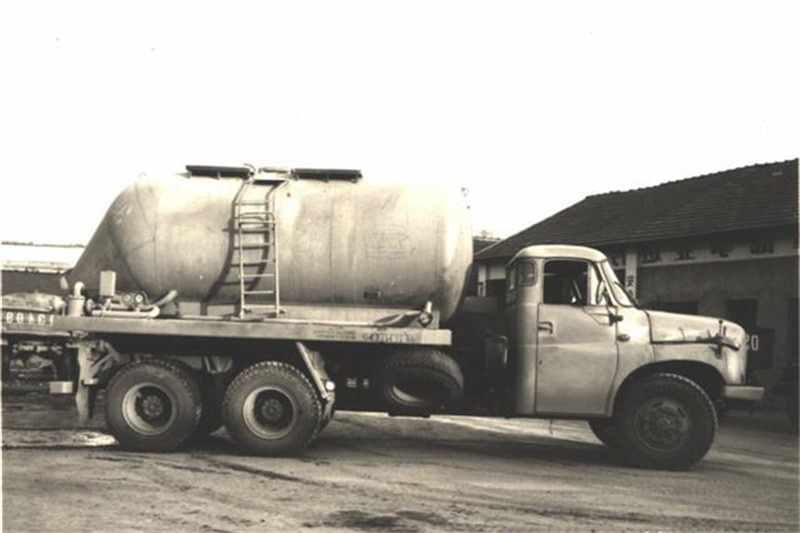
1980s manual trucks
Early concrete mixer trucks operated entirely through manual levers and mechanical linkages. The driver controlled the drum rotation and discharge gate by hand, relying heavily on experience and skill. These trucks were simple but labor-intensive and error-prone.
1990s hydraulic control
The integration of hydraulic systems greatly improved performance. With hydraulic pumps, valves, and cylinders, operators could control the drum, discharge chute, and water system more smoothly. This era marked a major step toward standardization and efficiency.
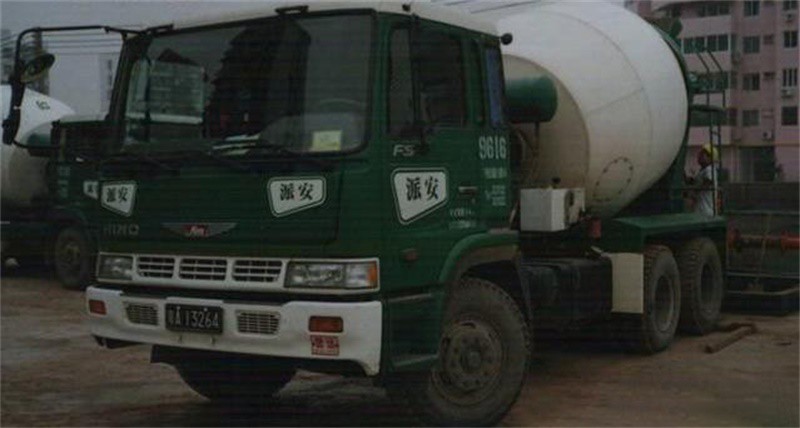
modern smart touchscreen control
Modern mixer trucks feature electronic control units (ECUs), touchscreen interfaces, and real-time sensors. Drivers can monitor and manage mixing operations with one-touch precision, ensuring better mixing quality, fuel efficiency, and operational safety. Many systems also support remote diagnostics and cloud-based data tracking.
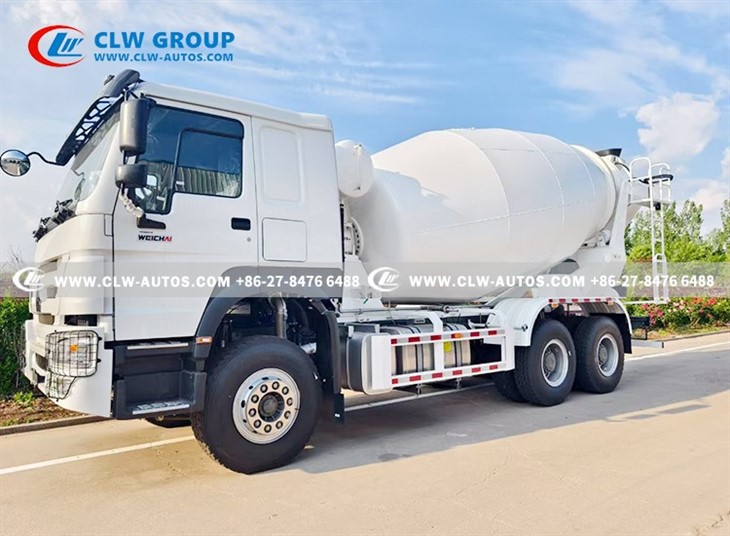
🛠️ Stage One: The Mechanical Era of Manual Operation
In the early days, concrete mixer trucks had a very simple design. Their mixing systems relied heavily on manual control and mechanical linkages. Operators had to control the drum rotation speed, discharge angle, and even the discharge gate entirely by hand.
Key Features:
- Drum rotation driven by a PTO connected to the truck's engine
- Discharge process operated with manual levers or basic hydraulic valves
- Operator experience directly affected concrete quality
Drawbacks: Low efficiency, high error rate, heavy reliance on human skill, not suitable for mass construction.
⚙️ Stage Two: Standardization with Hydraulic Systems
The widespread adoption of hydraulic technology greatly improved the precision and safety of mixer trucks:
- Variable pumps and motors allowed adjustable mixing speeds
- Hydraulic control was used for discharge hoppers, water tanks, and electric covers
- Operators could control most functions via remote hydraulic valve levers
This stage laid the foundation for the modern mixer truck and promoted standardized, modular designs across manufacturers.
⚡ Stage Three: Smart Control with Electronics
With the rise of CAN-bus systems, PLCs, and sensor technology, electronically controlled mixer trucks have rapidly become the norm:
- One-touch operation: Mixing, water filling, and discharge can be done via touchscreen in the cabin
- Smart monitoring: Real-time data tracking for drum speed, mixing duration, water volume, and more
- Remote diagnostics: Some brands support cloud-based vehicle monitoring and fault alerts
- Fuel efficiency: Optimized pump control reduces fuel consumption and emissions
This shift not only enhances work efficiency but also reduces human error and ensures greater consistency in concrete quality.
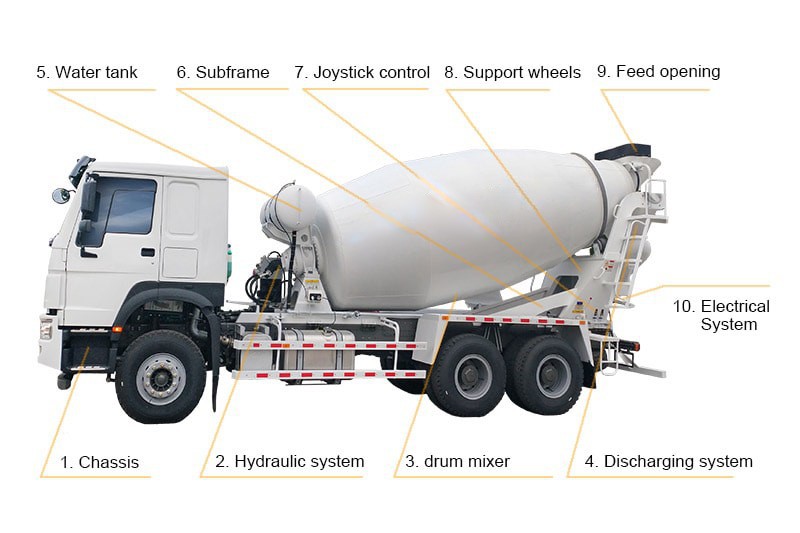
📈 Summary: Why Electronic Control Is the Future
| Manual Era | Hydraulic Era | Electronic Era | |
|---|---|---|---|
| Operation | Manual levers | Hydraulic buttons | Touchscreen / Auto |
| Precision | Low | Medium | High |
| Efficiency | Low | Medium | High |
| Fault Detection | None | Basic | Cloud-based alerts |
| Driver Skill Required | High | Medium | Low |