💡How Is Hydraulic Pressure Stabilized?
- Don't Be Fooled by Those "Hydraulic Claws" in the Movies!
In movies, hydraulic claws often appear to crush steel with a loud snap, delivering overwhelming force in an instant. But in the real world, hydraulic systems are much more stable, precise, and intelligent than Hollywood makes them seem.
🚜 How Does a Hydraulic System Actually Work?
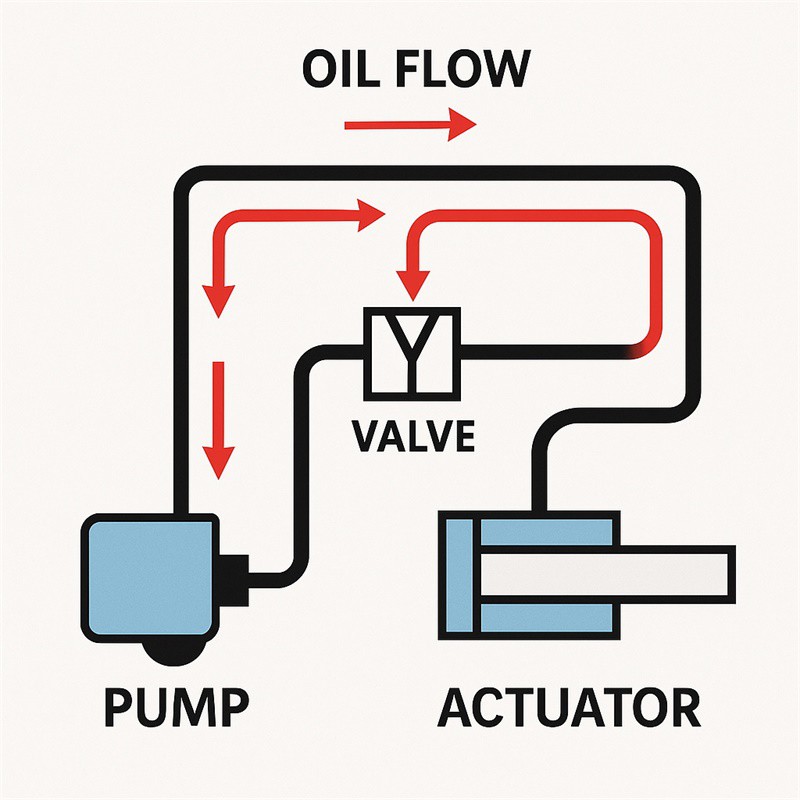
A hydraulic system uses a hydraulic pump to pressurize hydraulic oil, which is then delivered to actuators (like cylinders or motors) to perform pushing, pulling, or rotating tasks.
The key is to keep the hydraulic pressure within a safe, stable range at all times.
📏 Why Must the Pressure Stay Stable?
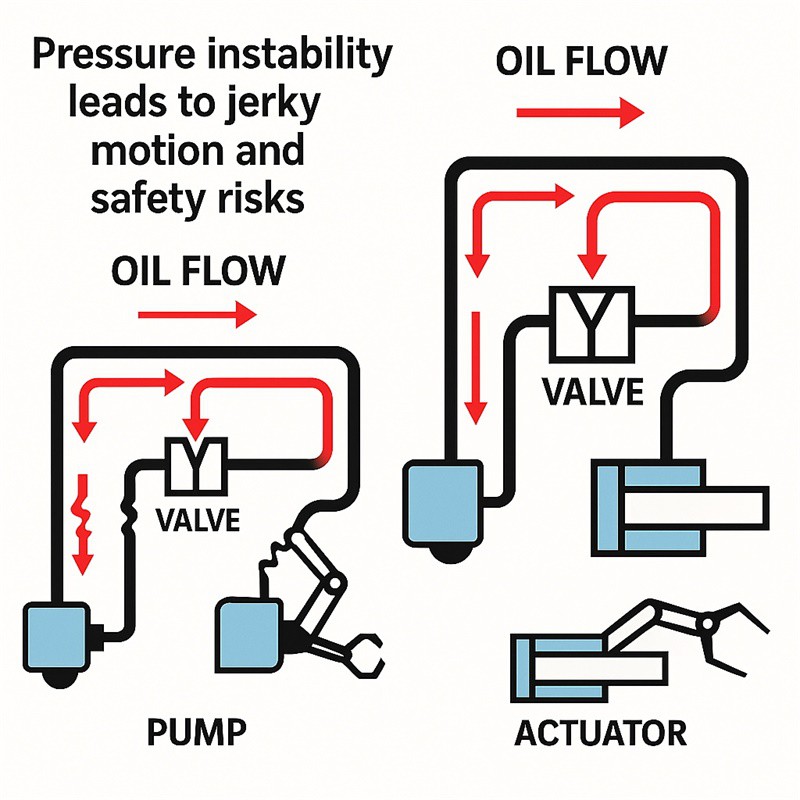
- Too low – The system reacts slowly; can't push or lift; low efficiency
- Too high – Risk of damaged seals, burst pipes, or system failure
- Unstable – Jerky movements, poor accuracy, and safety hazards
Think of it like an IV drip - not too fast, not too slow - stability is the key.
🛠️ How Do Hydraulic Systems Stay Stable?
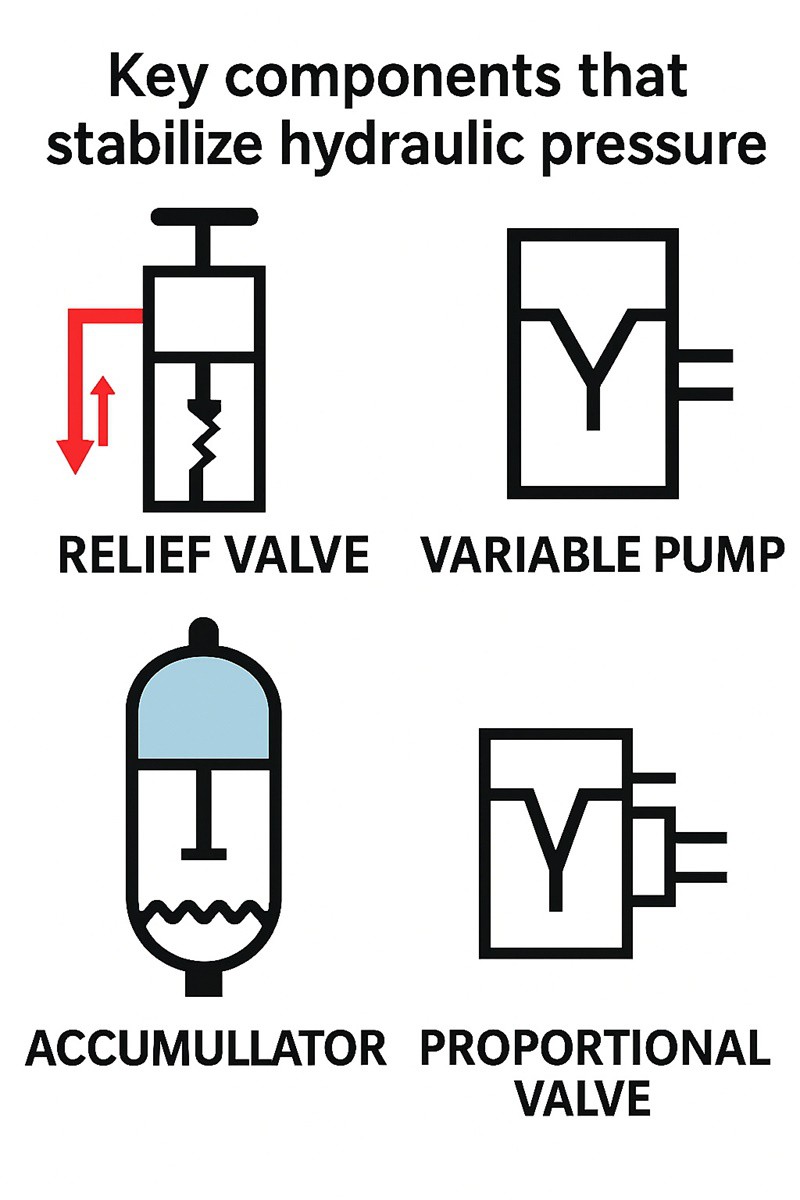
Modern hydraulic equipment relies on several components to regulate and stabilize pressure:
1. Relief Valve (Pressure Safety Valve)
Acts like a safety valve. When pressure exceeds the limit, it opens automatically and diverts excess oil back to the tank, preventing overload.
2. Variable Displacement Pump
Unlike a fixed pump, it adjusts its output according to the system load - providing only the necessary amount of oil, keeping pressure smooth.
3. Accumulator
A kind of pressure buffer. It stores and releases pressure to absorb spikes and maintain system balance. Often used in quick-action or emergency systems.
4. Proportional / Solenoid Valve Controls
These electronically controlled valves respond to sensors to precisely manage flow and pressure, enabling soft starts, slow stops, and precise movements - essential for high-tech applications.
🎬 Are Movie-Style "Hydraulic Superpowers" Real?
Those overpowered claws or presses that instantly crush steel? They're often exaggerated for dramatic effect:
- Real hydraulic shears are slow but powerful
- Sometimes vacuum grips or linkages are misrepresented as hydraulic
- True hydraulic systems emphasize control and safety, not brute speed
✅ Summary: Hydraulics Are "Masters of Controlled Power"
| Myth | Reality |
|---|---|
| Hydraulics = raw force | Hydraulics = stable, controlled power |
| More pressure = better | Too much pressure can destroy the system |
| No need for pressure control | Needs smart valves and sensors |