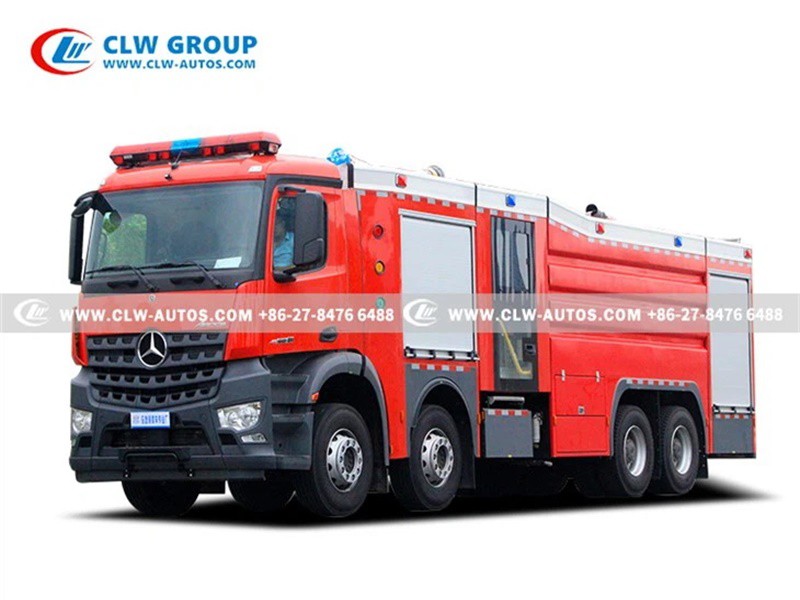
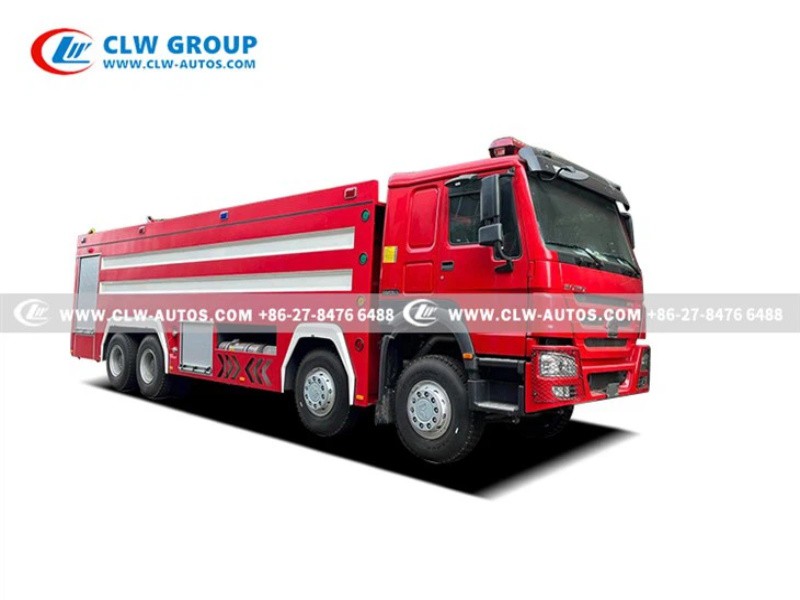
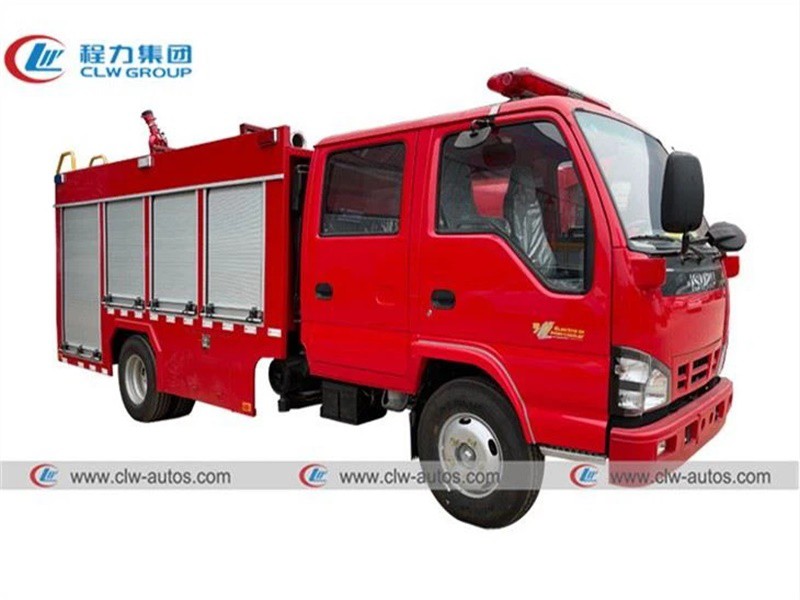
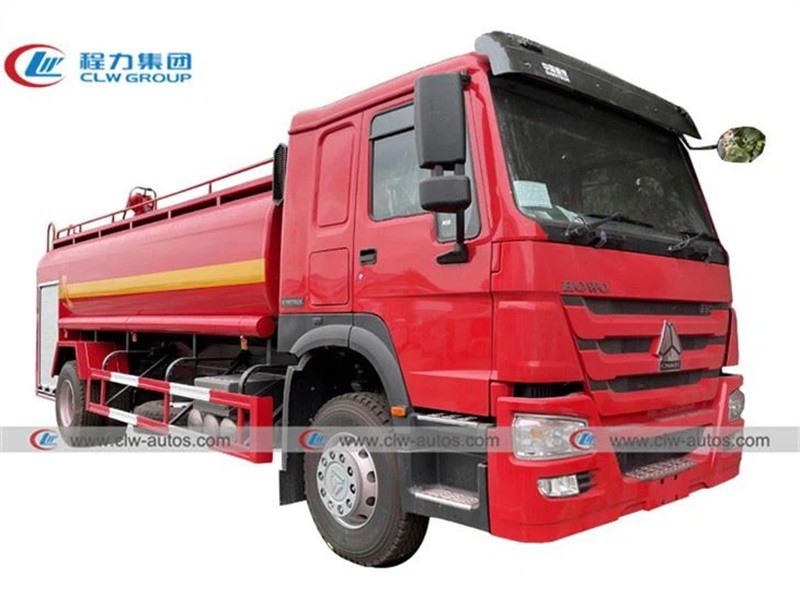
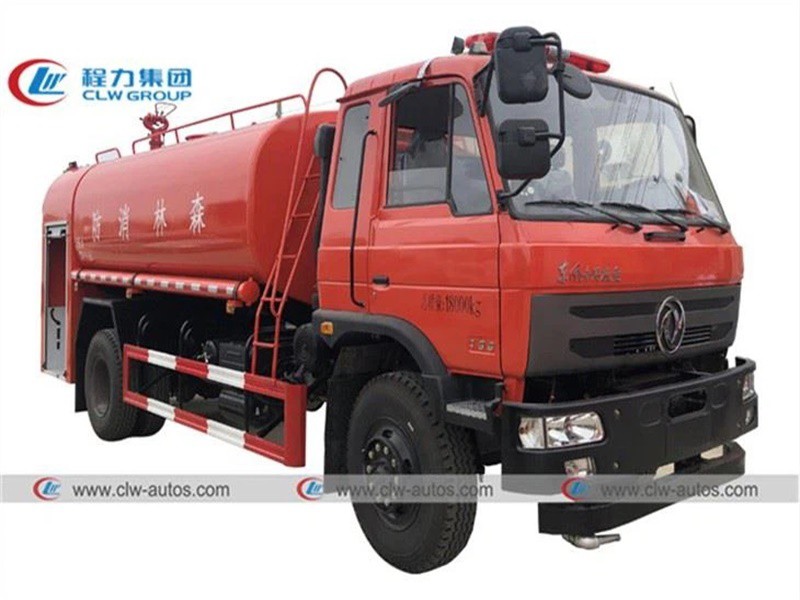
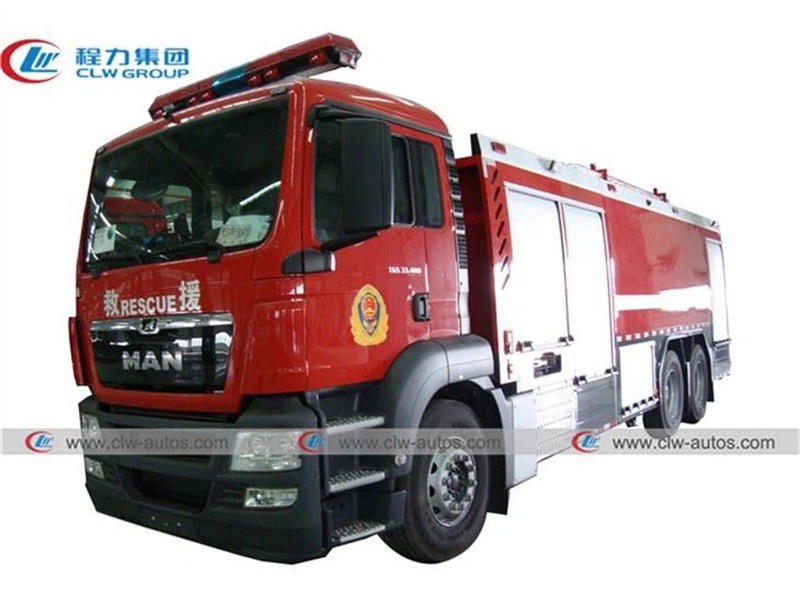
The foam fire truck (also known as foam tender, foam pumper, or B-class fire apparatus) is a specialized firefighting vehicle designed for flammable liquid fires using aqueous film-forming foam (AFFF), alcohol-resistant foam (AR-AFFF), or high-expansion foam.
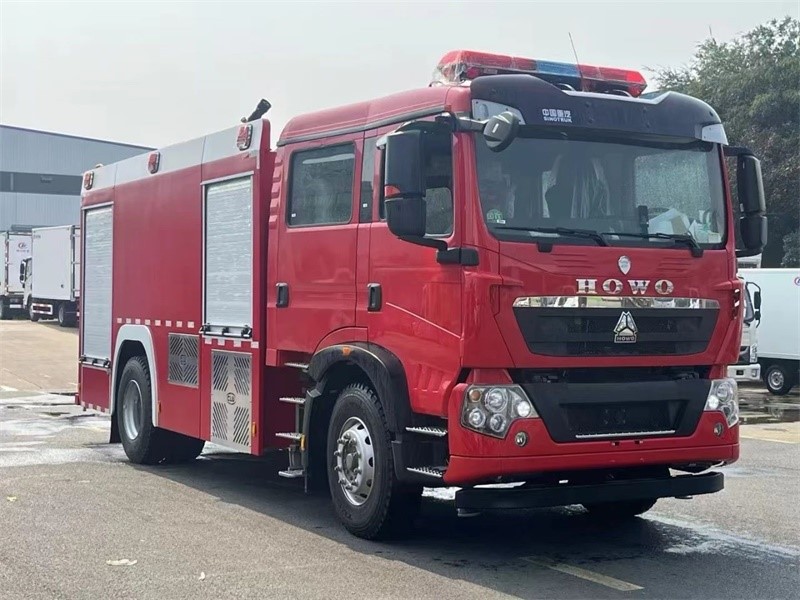
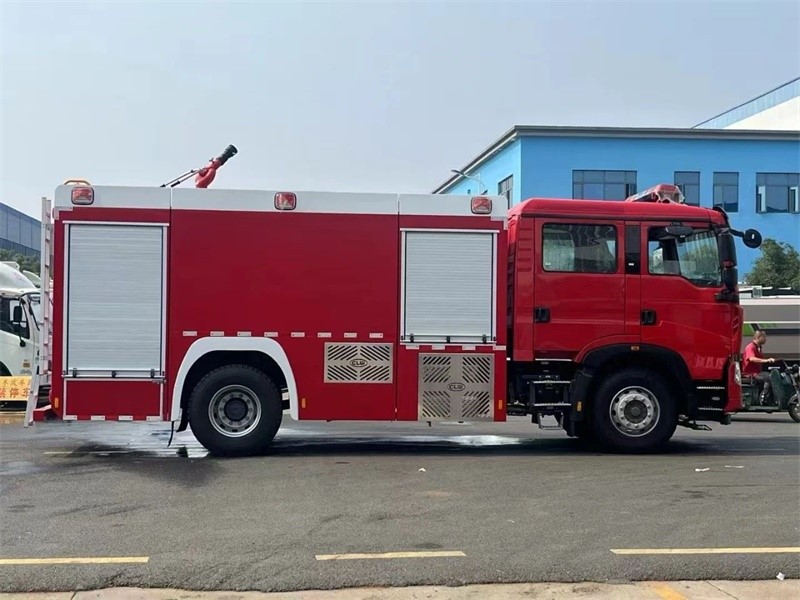
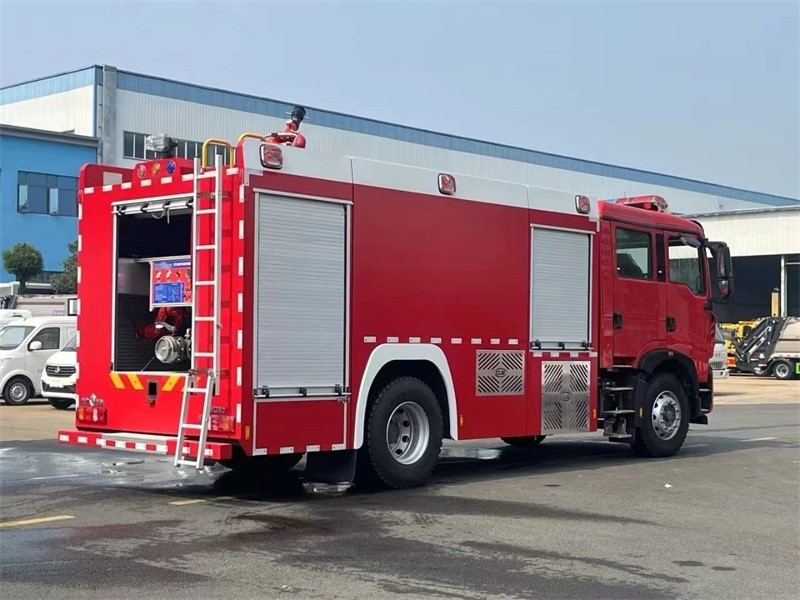
1. Chassis Configuration
- Model: ZZ5207TXFV471GF5 from CNHTC Jinan Truck Co., Ltd.
- Engine: Model MC07H.35-60 from CNHTC, 257kW (350 hp)
- Drive Type: Rear-wheel drive
- Wheelbase: 4.7m
- Emission Standard: GB3847-2005, GB17691-2018 National VI
2. Cab
- Structure: Flat-head, original double-row, four-door cab.
- Seating: 2 front, 4 rear, with guardrails and handrails for quick air respirator donning.
- Features: Hydraulic tilting mechanism, PTO control switch, 100W siren, warning light switch.
- Warning Lights: One long-row warning light on the roof.
3. Tanks
- Capacity: 6.000m³ water, 2.059m³ foam
- Dimensions: Water tank 1670x2450x1537mm, foam tank 570x2450x1537mm
- Materials: Water tank - high-quality steel (optional 304 stainless steel); foam tank - 304 stainless steel, both with anti-corrosion treatment.
- Structure: Welded frame with baffles to reduce liquid surge,Trapezoidal Stiffening Rib for strength, quick-open manhole, anti-vortex device, stainless steel filter, float-type level indicator, ball valve drain, 2x76mm overflow pipes, 4x76mm filling ports.
- Equipment: 2 manholes with quick locks, 2 drains with stainless steel ball valves, 4 water inlets, 2 level indicators.
- Process: Advanced welding, 24-hour hydrostatic test.
4. Fire Pump and Piping System
- Pump: CB10/100 low-pressure fire pump (Shanghai Rongshen), 60L/s flow, 1.0MPa pressure, rear-mounted.
- Vacuum Pump: Piston type, ≤35s priming time, ≥7m suction depth, ≥85kPa vacuum.
- Piping: Φ150mm suction inlet, Φ100mm monitor outlet, Φ80mm/Φ65mm outlets, Φ65mm filling pipe, drain, residual water, and cooling water lines.
5. Fire Monitor
- Model: PL48 (West), 48L/s flow, ≥60m water range, ≥55m foam range, 1.0MPa pressure, mounted on water tank, manual control with lock.
6. PTO
- Type: Full-power sandwich type, forced water cooling, splash lubrication, dashboard-operated, smooth engagement.
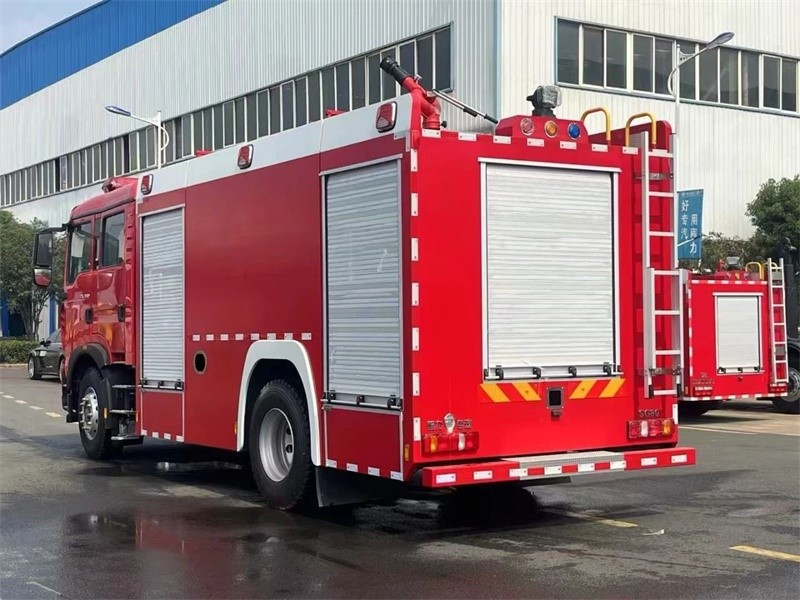
7. Equipment Compartment and Pump Room
- Materials: High-quality carbon steel frame, aluminum interior panels.
- Structure: Front equipment compartment, central tanks, rear pump room with roll-up doors.
- Features: Adjustable space, drainage holes, lighting, aluminum roll-up doors with locks.
8. Electrical System
- Features: Red LED warning light, 100W siren, waterproof connectors, fire scene lighting, safety lights, reflective markings, LED compartment lights,Flashing Beacon, side lights, control in cab.
- Dashboard: Level, pressure, RPM, vacuum gauges, lighting switches.
9. Dashboard and Controls
- Location: Pump room at rear, illuminated, Chinese labels, operation instructions, durable aluminum panel.
10. General Technical Requirements
- Compliance: GB7956 standards, smooth exterior, secure riveting, welding, labeled switches, instruments, and equipment.
11. Documentation and Fire Equipment
- Included: Chassis manual, warranty card, service manual, chassis certificate, tool list, foam fire truck manual, equipment list, vehicle certificate.
Foam Fire Truck Maintenance
Foam fire trucks are specialized vehicles designed for firefighting and rescue operations, equipped with various firefighting tools and agents. Continuous use can lead to wear and tear, deformation, corrosion, and damage due to friction, vibration, impact, and environmental conditions. Without proper maintenance, vehicle performance, safety, and reliability can decline, potentially leading to mechanical or traffic accidents. Given the varying skill levels of drivers and the tendency to prioritize driving over maintenance, regular upkeep is crucial.
Here are key maintenance tips:
1. Vehicle Inspection and Care:
- Check critical components like the clutch, transmission, driveshaft, universal joints, reducer, differential, and axle shafts for loose or damaged bolts and lubrication levels.
- Ensure the brake system, including the pedal flexibility, air compressor, air reservoir, brake valves, and brake pads, is functioning properly.
- Verify the steering system, lights, wipers, and brake indicators are working correctly.
- Promptly address any detected issues.
2. Tank Inspection and Care:
- Regularly check the tank for corrosion, especially on older trucks, as prolonged exposure to firefighting agents can cause rust.
- Rust particles can block pumps and damage impellers.
- For foam trucks, periodic inspection and maintenance are vital to prevent corrosion and blockages.
- Treat rust by cleaning, drying, applying epoxy paint, or welding.
- Regularly inspect and clean valves and pipelines associated with the tank.
3. Equipment Compartment Maintenance:
- Protect equipment from friction with rubber or soft materials.
- Check for water accumulation, secure brackets, smooth operation of roll-up doors, and lubrication.
4. Fire Pump Maintenance:
- The fire pump is the heart of the fire truck; maintain it carefully.
- Lubricate rotating parts every 3-6 hours of operation.
- Periodically test key parameters like suction depth, priming time, and flow rate.
- Clean the pump, water tank, and pipelines after using contaminated water or foam.
- Ensure all storage tanks are full and check/lubricate valves and joints as needed.
- Regularly inspect and replace oil in the pump and gearbox if it's contaminated or low.
5. Electrical and Instrument Inspection:
- Use appropriate fuses to protect electrical components.
- Check warning lights and sirens regularly for proper operation.
- Inspect lights in the equipment compartment, pump room, solenoid valves, liquid level indicators, digital tachometers, and switches.
Proper operation and maintenance of fire trucks and equipment are essential for effective firefighting and rescue operations. Regular maintenance ensures readiness and successful mission completion.
Find About More
HOWO 20 Tons Foam Fire Truck
ISUZU Water Tank Fire Truck
HOWO Water Tank Spraying Truck
Dongfeng Water Sprinkler Firetruck
Fire Emergency Rescue Truck