


Hey there! As a supplier of refrigerated trailers, I often get asked the question: How often should a refrigerated trailer be serviced? Well, let's dive right into it and break it down.
First off, it's important to understand that regular servicing is crucial for the proper functioning and longevity of your refrigerated trailer. Just like any other piece of equipment, these trailers go through a lot of wear and tear, especially considering they're constantly working to maintain a specific temperature.
Factors Affecting Service Frequency
Usage Intensity
If your refrigerated trailer is in constant use, say for daily long - haul deliveries, it'll need more frequent servicing compared to one that's used only occasionally. A trailer that's on the road 24/7 is under more stress. The compressor, fans, and other components are working non - stop, which can lead to faster deterioration. For high - intensity users, I'd recommend a comprehensive service every 3 - 6 months. This includes checking the refrigeration system, inspecting the insulation, and looking at the electrical components.
Operating Conditions
The environment in which the trailer operates also plays a big role. If you're operating in extremely hot or cold climates, the refrigeration system has to work harder. In hot areas, the compressor has to pump more refrigerant to keep the trailer cool, while in cold areas, there's a risk of freezing components. In such harsh conditions, servicing every 4 - 6 months is a good idea.
On the other hand, if the trailer is mostly operating in mild climates, you might be able to stretch the service intervals a bit. But still, I wouldn't recommend going more than 6 - 12 months without a proper check - up.
Age of the Trailer
Newer trailers generally require less frequent servicing in the initial years. The components are brand new and less likely to break down. However, as the trailer ages, the wear and tear start to accumulate. An older trailer, say one that's over 5 years old, should be serviced at least every 6 months. The seals may start to leak, the insulation may degrade, and the mechanical parts may need more attention.
What Happens During a Service?
When you bring your refrigerated trailer in for service, there are several key areas that need to be checked.
Refrigeration System
This is the heart of the trailer. The technician will check the refrigerant levels. If the levels are low, it could indicate a leak, which needs to be fixed immediately. They'll also inspect the compressor, condenser, and evaporator. The compressor is responsible for pressurizing the refrigerant, and any issues with it can lead to poor cooling. The condenser and evaporator need to be clean to ensure efficient heat transfer.
Insulation
The insulation in the trailer is what keeps the cold air in and the warm air out. Over time, it can get damaged. The technician will look for any signs of wear, such as holes or tears. If the insulation is compromised, the trailer will have to work harder to maintain the temperature, which can lead to higher energy consumption and a shorter lifespan for the refrigeration system.
Electrical System
The electrical system powers the refrigeration unit and other components. A faulty electrical connection can cause the system to malfunction. The technician will check the wiring, fuses, and batteries to make sure everything is in working order.
Structural Integrity
The trailer's structure also needs to be inspected. This includes checking the frame for any signs of rust or damage, and making sure the doors and hinges are working properly. A damaged frame can affect the overall performance of the trailer and may even pose a safety risk.
Benefits of Regular Servicing
Cost Savings
Regular servicing can actually save you money in the long run. By catching small problems early, you can avoid major breakdowns that can be very expensive to fix. For example, a small refrigerant leak can be easily repaired, but if left unattended, it can lead to compressor failure, which is a much costlier repair.
Reliability
A well - serviced refrigerated trailer is more reliable. You don't have to worry about it breaking down in the middle of a delivery, which can cause delays and loss of business. This is especially important if you're transporting perishable goods.
Compliance
In many areas, there are regulations regarding the maintenance of refrigerated trailers. Regular servicing ensures that your trailer meets these standards, which can save you from potential fines and legal issues.
Related Products
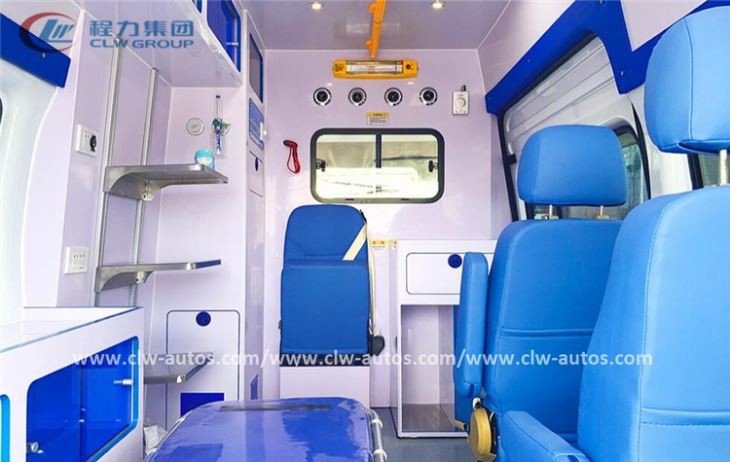
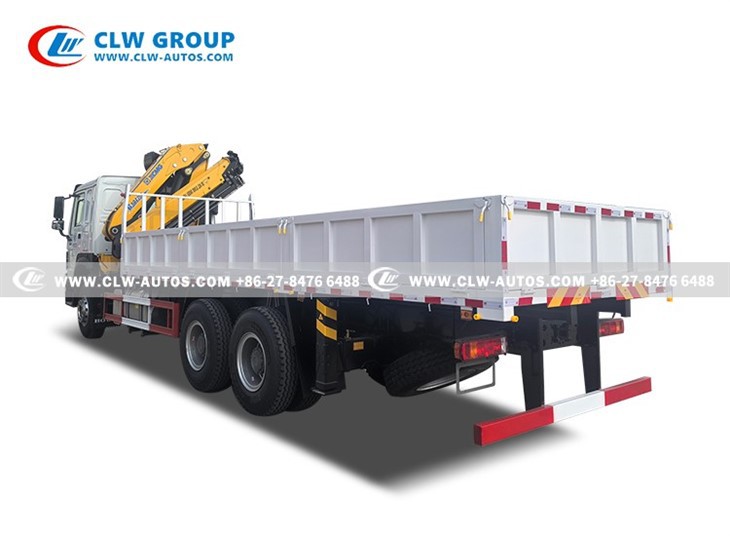
If you're in the market for other types of trucks and trailers, we've got some great options. Check out the SINOTRUK TRUCK WITH CRANE 10 TONS, which is perfect for construction sites. And for those in the medical field, the Ford V362 Patient Transport Ambulance is a reliable choice. Also, if you need to transport chemical acids, the 3 Axle 18CBM Chemical Acid Tank Semi Trailer is a great option.
Conclusion
So, to sum it up, the frequency of servicing your refrigerated trailer depends on factors like usage intensity, operating conditions, and the age of the trailer. Generally, high - intensity users and older trailers should be serviced every 3 - 6 months, while those with less usage and in milder conditions can go 6 - 12 months. Regular servicing is essential for the performance, reliability, and cost - effectiveness of your trailer.
If you're interested in purchasing a refrigerated trailer or have any questions about servicing, feel free to reach out. We're here to help you make the best decisions for your business.
References
- "Refrigerated Trailer Maintenance Guide" - Industry publication
- "Best Practices for Trailer Servicing" - Technical manual from leading trailer manufacturers