


As a provider of road sweeper trucks, I understand the significance of proper operator training. In this blog post, I'll delve into the essential training requirements for those who operate road sweeper trucks.
1. Basic Vehicle Operation Training
Before an operator can start using a road sweeper truck effectively, they must have a solid understanding of basic vehicle operation. This includes knowledge of the truck's controls, such as the steering wheel, brakes, accelerator, and gear shift. Operators should be trained to start and stop the vehicle safely, as well as to maneuver it in different driving conditions.
For example, they need to know how to handle the truck on wet or slippery roads, which requires slower speeds and more careful braking. In addition, operators should be familiar with the truck's dashboard indicators and warning lights, so they can quickly identify and address any potential issues.
2. Sweeping Mechanism Training
The heart of a road sweeper truck is its sweeping mechanism. Operators need to be trained on how to operate and maintain this equipment properly. This includes understanding the different types of sweeping brushes available and when to use each one.
For instance, some brushes are designed for heavy - duty debris removal, while others are better suited for fine dust collection. Operators should also learn how to adjust the height and pressure of the brushes to ensure efficient sweeping. They must be aware of the optimal speed at which the truck should travel during the sweeping process to achieve the best results.
Moreover, regular maintenance of the sweeping mechanism is crucial. Operators should be trained to clean and inspect the brushes, as well as to replace them when they are worn out. They also need to know how to troubleshoot common problems with the sweeping mechanism, such as brush jams or uneven brushing.
3. Safety Training
Safety is paramount when operating a road sweeper truck. Operators must be trained on a variety of safety procedures. First and foremost, they should wear appropriate personal protective equipment (PPE), such as safety glasses, gloves, and high - visibility vests.
They need to understand the importance of following traffic rules while operating the truck on public roads. This includes using turn signals correctly, obeying speed limits, and yielding to pedestrians. In addition, operators should be trained on how to handle emergency situations, such as a sudden mechanical failure or a collision.
They should know how to safely park the truck in case of an emergency and how to use the truck's emergency lights and warning devices. Safety training should also cover the proper handling of hazardous materials that may be encountered during the sweeping process, such as chemicals or sharp objects.
4. Environmental Awareness Training
In today's world, environmental protection is a major concern. Road sweeper truck operators should be trained on how to minimize the environmental impact of their work. This includes understanding the importance of proper waste disposal.
Operators should know how to separate different types of waste collected during the sweeping process, such as recyclables and non - recyclables. They should also be aware of local environmental regulations regarding waste management. For example, some areas have strict rules about the disposal of hazardous waste, and operators need to ensure compliance.
In addition, modern road sweeper trucks are often equipped with advanced dust suppression systems. Operators should be trained on how to use these systems effectively to reduce dust emissions during the sweeping process, which helps to improve air quality in the surrounding area.
5. Maintenance and Inspection Training
Regular maintenance and inspection of the road sweeper truck are essential for its proper functioning and longevity. Operators should be trained on how to perform daily pre - trip inspections. This includes checking the tires for proper inflation and wear, inspecting the brakes and lights, and ensuring that all fluid levels are correct.
They should also be familiar with the truck's maintenance schedule and know how to perform basic maintenance tasks, such as changing the oil, filters, and lubricating moving parts. By conducting regular inspections and maintenance, operators can detect and address potential problems early, which reduces the risk of breakdowns and costly repairs.
6. Technology and Automation Training
Many modern road sweeper trucks are equipped with advanced technology and automation features. Operators need to be trained on how to use these systems effectively. For example, some trucks have GPS tracking systems that can help operators plan their routes more efficiently.
There are also automated control systems for the sweeping mechanism that can adjust the brushes and suction power based on the type of debris and the surface being swept. Operators should be trained to understand and operate these systems to maximize the truck's performance and efficiency.
Related Products
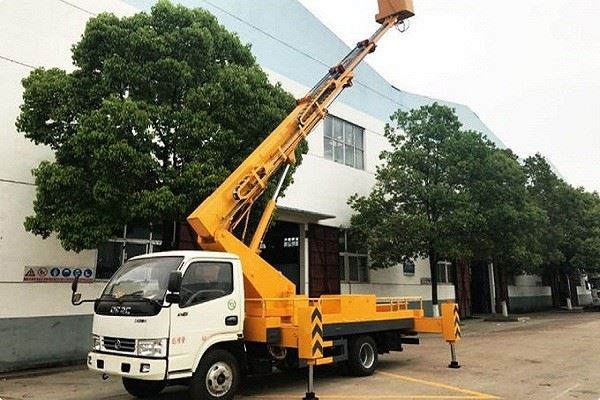
If you are interested in other types of vehicles, we also offer a range of high - quality products. Check out our 20 Seats 22 Seats 28 Seats GOLDEN DRAGON Mini Bus, which is perfect for small - scale transportation needs. For utility trucks, we have the ISUZU 16 Meters Telescopic Aerial Platform Truck and the 20m Telescopic Boom Skylift Truck, both of which are reliable and efficient for various aerial work.
Conclusion
In conclusion, the operator training requirements for a road sweeper truck are comprehensive and multi - faceted. From basic vehicle operation to advanced technology usage, every aspect of training is crucial for ensuring the safe, efficient, and environmentally friendly operation of the truck.
If you are in the market for a road sweeper truck or have any questions about our products and the associated training requirements, we encourage you to contact us for a detailed discussion. We are committed to providing high - quality trucks and comprehensive training solutions to meet your needs.
References
- "Commercial Vehicle Operation Manuals"
- "Environmental Regulations for Waste Management in Road Sweeping"
- "Safety Standards for Heavy - Duty Vehicle Operators"