Introduction To The Working Principle Of The Piglet Transport Truck
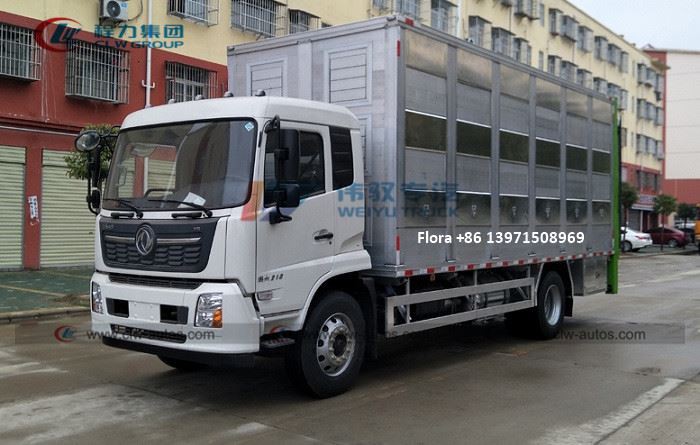
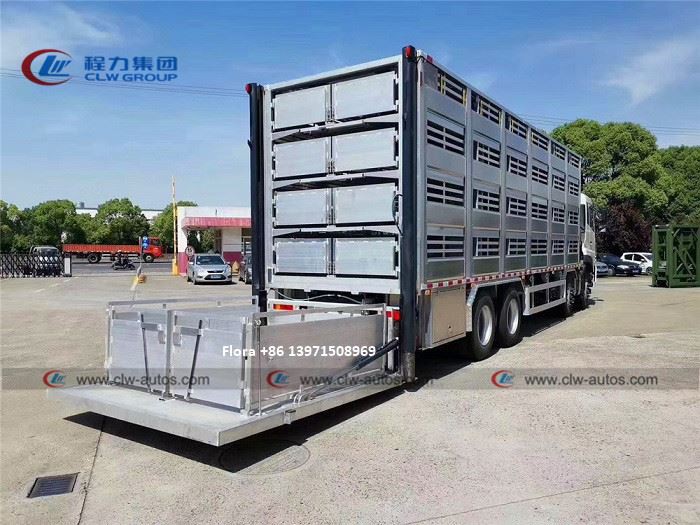
Livestock transport vehicles refer to special trucks specially used for transporting livestock and poultry, and piglet transport truck are also one of them. Its main components include insulation box, vehicle electrical system, intelligent heating system, cold machine refrigeration system, air circulation system (or air disinfection and purification system), intelligent temperature monitoring and monitoring system, food system, fecal sewage recovery device, etc.
The livestock and poultry carts set the most suitable environment according to different livestock and poultry, creating high-end transportation conditions for pigs, calves, chickens, ducks and other livestock and poultry, effectively improving the survival rate of livestock and poultry during long-distance transportation. The design is clean and hygienic, easy to clean, and can also be used as an ordinary truck.
Main Structure Introduction
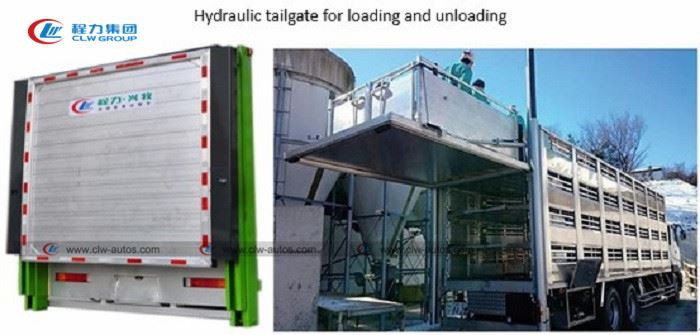
1. 2 to 4 layers of compartments and hydraulic tailgate
The livestock and poultry carts can be set to 2 to 4 floors according to the requirements, and adopt a hydraulic lifting system, which can set different heights according to the size of the livestock and poultry, and improve the utilization rate of the internal space of the truck.
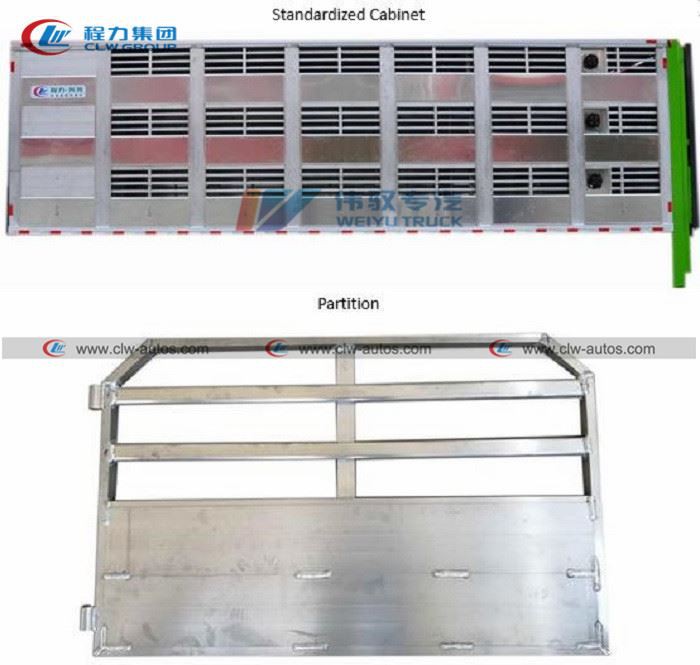
2. Standard box and partition
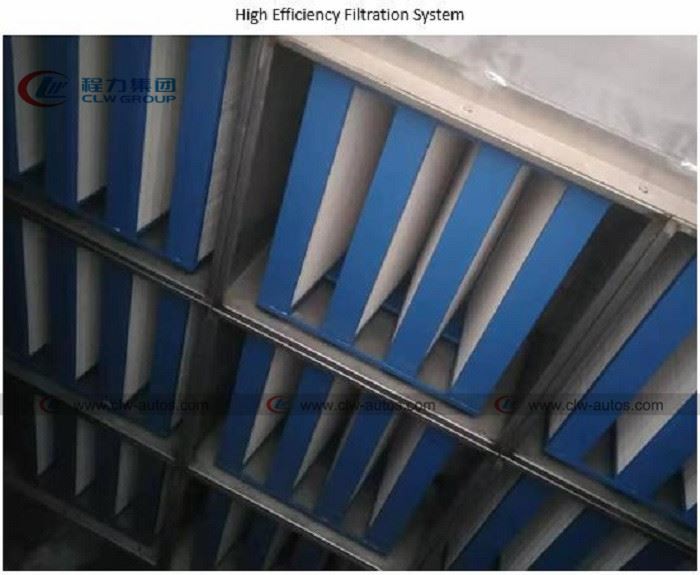
3. High efficiency air filtration system
4. Cabinet material
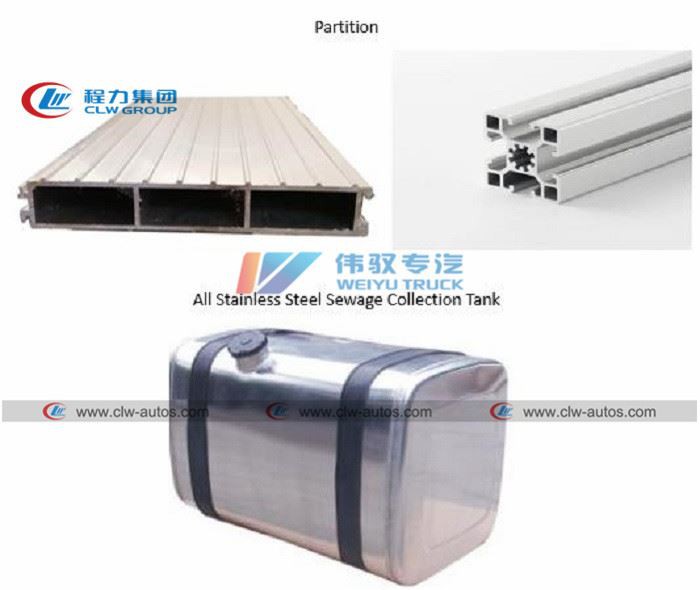
The body structure is 100% made of aluminum alloy. Compared with the steel body, the weight is reduced by 20-30%. It can enter a high-temperature disinfection room without rusting, no paint protection, and easier cleaning and maintenance.
5. Sewage collection: All stainless steel sewage collection tank
Operating Procedures:
1. Truck in place.
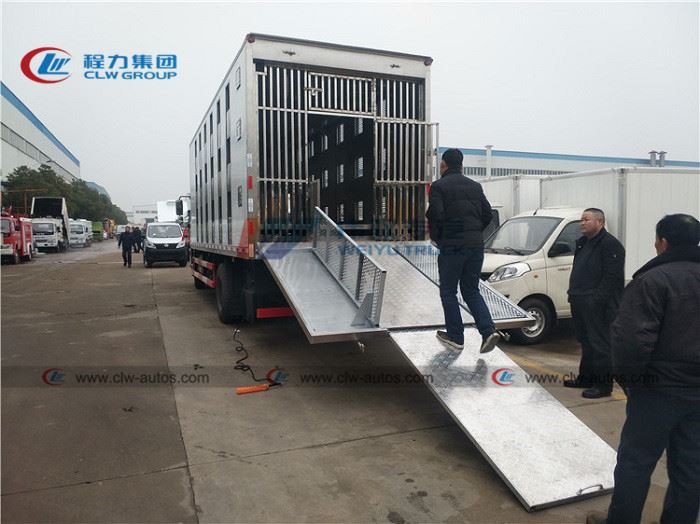
The hydraulic tail plate is deployed horizontally to the ground, and the guardrail is turned over to connect with the livestock walking channel.
2. Loading livestock.
Load from the bottom of the carriage from the inside to the outside in turn, and plan the loading area reasonably according to the actual load. Below are two ways for your choice:
3. Transport monitoring.
Feeding, spraying, and temperature need to be monitored in real time in the cab.
4. Unloading self-inspection.
The unloading is carried out from top to bottom and from outside to inside. After completion, all equipment protection nets are returned to their place for disinfection and cleaning.