


The turning radius of a Vacuum Suction Truck is a crucial factor that significantly impacts its maneuverability and operational efficiency. As a supplier of Vacuum Suction Trucks, understanding this parameter is essential for both us and our customers.
Understanding the Concept of Turning Radius
The turning radius of a vehicle refers to the minimum radius of the circle that the vehicle can turn within. For a Vacuum Suction Truck, it is determined by several factors, including the wheelbase, the steering mechanism, and the overall design of the truck. A smaller turning radius means the truck can make sharper turns, which is particularly important in tight spaces such as narrow streets, construction sites, or industrial yards.
Factors Affecting the Turning Radius of a Vacuum Suction Truck
- Wheelbase: The wheelbase, which is the distance between the front and rear axles of the truck, plays a major role in determining the turning radius. Generally, trucks with a shorter wheelbase have a smaller turning radius. This is because a shorter wheelbase allows the front wheels to turn at a greater angle relative to the rear wheels, enabling the truck to make tighter turns.
- Steering Mechanism: The type of steering mechanism used in the Vacuum Suction Truck also affects its turning radius. Trucks equipped with power steering systems can usually achieve a smaller turning radius compared to those with manual steering. Power steering systems provide more assistance to the driver, allowing for easier and more precise steering, especially when making sharp turns.
- Tire Size and Type: The size and type of tires on the truck can also influence the turning radius. Larger tires may require more space to turn, resulting in a larger turning radius. Additionally, the tread pattern and the tire's grip on the road surface can affect the truck's ability to turn smoothly.
Importance of a Small Turning Radius in Vacuum Suction Trucks
- Maneuverability in Tight Spaces: Vacuum Suction Trucks are often used in areas with limited space, such as urban streets, alleys, and industrial complexes. A small turning radius allows these trucks to navigate through these tight spaces with ease, reducing the time and effort required to complete the job.
- Efficient Operation: In addition to maneuverability, a small turning radius also improves the overall efficiency of the Vacuum Suction Truck. It enables the truck to quickly change direction, which is especially important when collecting waste or performing other tasks that require frequent stops and starts.
- Safety: A smaller turning radius can also enhance the safety of the Vacuum Suction Truck. It reduces the risk of collisions with other vehicles, pedestrians, or obstacles, especially in congested areas.
Our Vacuum Suction Trucks and Their Turning Radius
At our company, we offer a wide range of Vacuum Suction Trucks with different turning radii to meet the diverse needs of our customers. Our engineers have carefully designed these trucks to ensure optimal maneuverability and performance.
For example, our [model name] Vacuum Suction Truck features a compact design and a short wheelbase, resulting in a relatively small turning radius. This makes it ideal for use in urban areas and other tight spaces. On the other hand, our [another model name] Vacuum Suction Truck is designed for larger-scale operations and has a slightly larger turning radius. However, it still offers excellent maneuverability thanks to its advanced steering system and high-quality tires.
Comparison with Other Vehicles
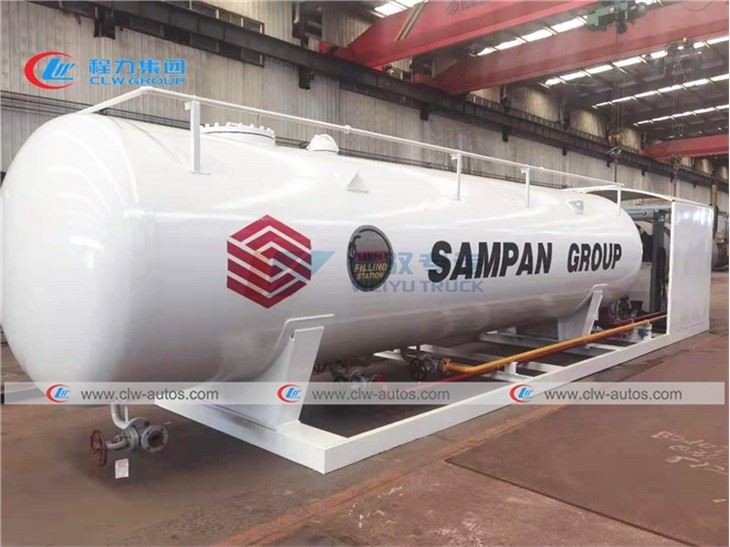
To better understand the significance of the turning radius of a Vacuum Suction Truck, let's compare it with other types of vehicles. For instance, a Bangladesh Autogas Refilling Station 10MT is a large and heavy structure that does not have a turning radius in the traditional sense. It is designed to be stationary and requires a significant amount of space for installation and operation.
In contrast, an ISUZU 8000Liters 8Tons Water Bowser Truck has a turning radius that is similar to that of a Vacuum Suction Truck. However, the specific turning radius may vary depending on the model and the design of the truck.
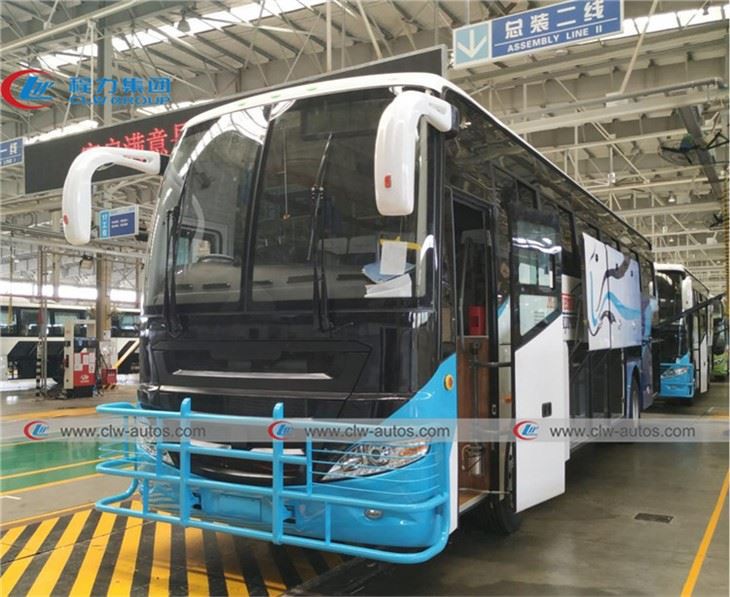
A Dongfeng 58 Seats Bus typically has a larger turning radius compared to a Vacuum Suction Truck. This is because buses are designed to carry a large number of passengers and have a longer wheelbase and a larger overall size.
How to Choose the Right Vacuum Suction Truck Based on Turning Radius
When choosing a Vacuum Suction Truck, it is important to consider the turning radius based on the specific requirements of your operation. Here are some factors to keep in mind:
- Operating Environment: If you plan to use the truck in areas with limited space, such as narrow streets or alleys, a truck with a smaller turning radius is recommended. On the other hand, if you will be operating in larger areas, such as industrial yards or construction sites, a truck with a slightly larger turning radius may be acceptable.
- Job Requirements: The type of job you will be performing with the Vacuum Suction Truck also affects the choice of turning radius. For example, if you need to make frequent turns and changes in direction, a truck with a small turning radius will be more efficient.
- Budget: The cost of a Vacuum Suction Truck can vary depending on its features and specifications, including the turning radius. It is important to balance your budget with your operational needs to choose the right truck.
Conclusion
In conclusion, the turning radius of a Vacuum Suction Truck is a critical parameter that affects its maneuverability, efficiency, and safety. As a supplier of Vacuum Suction Trucks, we understand the importance of this factor and offer a variety of trucks with different turning radii to meet the diverse needs of our customers.
If you are in the market for a Vacuum Suction Truck, we encourage you to contact us to discuss your specific requirements. Our team of experts will be happy to assist you in choosing the right truck for your operation. Whether you need a truck with a small turning radius for use in tight spaces or a larger truck for more extensive operations, we have the solution for you.
References
- "Vehicle Dynamics and Control" by Rajesh Rajamani
- "Automotive Engineering: Fundamentals, Modeling, and Control" by Giorgio Rizzoni