


Can an LPG storage tank explode? This is a question that often concerns many people, especially those involved in the handling, storage, and use of liquefied petroleum gas (LPG). As a supplier of LPG storage tanks, I'd like to delve into this topic and provide a comprehensive understanding of the potential risks and safety measures associated with LPG storage tanks.
Understanding LPG and Its Properties
LPG is a flammable mixture of hydrocarbon gases, primarily propane and butane. It is commonly used as a fuel for heating, cooking, and in some vehicles. LPG is stored under pressure in storage tanks, which can range in size from small portable cylinders to large industrial - scale tanks.
The physical properties of LPG play a crucial role in determining its explosion potential. LPG is highly flammable, with a wide flammable range in air. The flammable range is the concentration of LPG in air between the lower flammable limit (LFL) and the upper flammable limit (UFL). For propane, the LFL is about 2.1% and the UFL is about 9.5%. When the concentration of LPG in air falls within this range and there is an ignition source, an explosion can occur.
Factors That Can Lead to an Explosion
- Leakage: One of the most common causes of LPG storage tank explosions is leakage. Leakage can occur due to various reasons, such as corrosion, improper installation, or damage to the tank. If LPG leaks into the surrounding environment and mixes with air to form a flammable mixture, and there is an ignition source nearby, an explosion can happen. For example, a small leak from a valve or a pipe fitting can gradually release LPG into the air, and if a spark from an electrical device or a static discharge occurs, it can trigger an explosion.
- Over - filling: Over - filling an LPG storage tank can also pose a significant risk. LPG expands as its temperature increases. If a tank is over - filled, there is not enough space for the expansion of the LPG, which can lead to an increase in pressure inside the tank. If the pressure exceeds the tank's design pressure, it can cause the tank to rupture, releasing a large amount of LPG into the environment and potentially leading to an explosion.
- External Fire or Heat Source: Exposure to an external fire or a high - temperature heat source can cause the LPG inside the tank to heat up rapidly. As the temperature of the LPG increases, its pressure also rises. If the tank is not equipped with proper safety relief devices, the pressure can build up to a point where the tank explodes. For instance, if a storage tank is located near a building fire, the heat from the fire can transfer to the tank and cause it to fail.
- Mechanical Damage: Physical damage to the LPG storage tank, such as a collision or impact, can compromise the integrity of the tank. A damaged tank may develop cracks or holes, which can lead to LPG leakage and subsequent explosion. This can happen during transportation or due to improper handling at the storage site.
Safety Measures to Prevent Explosions
- Proper Installation: LPG storage tanks should be installed by qualified professionals according to relevant safety standards and regulations. The installation site should be well - ventilated, away from sources of ignition, and have adequate space for maintenance and inspection. For example, the tank should be installed on a flat and stable surface, and all connections should be properly tightened to prevent leakage.
- Regular Inspection and Maintenance: Regular inspection and maintenance of LPG storage tanks are essential to ensure their safe operation. This includes checking for signs of corrosion, damage, and leakage. Safety relief valves should be tested regularly to ensure they are functioning properly. Tanks should also be hydrostatically tested at regular intervals to check their structural integrity.
- Safety Devices: LPG storage tanks are equipped with various safety devices to prevent explosions. These include pressure relief valves, which are designed to release excess pressure in the tank to prevent over - pressurization. Flame arrestors are also used to prevent the spread of flames in case of an ignition. Additionally, gas detectors can be installed to detect the presence of LPG leaks in the surrounding environment.
- Employee Training: Employees involved in the handling, storage, and maintenance of LPG storage tanks should receive proper training. They should be aware of the potential risks associated with LPG, how to prevent leaks and explosions, and what to do in case of an emergency. Training should cover topics such as safe handling procedures, use of safety equipment, and emergency response protocols.
Our LPG Storage Tanks
As a supplier of LPG storage tanks, we offer a wide range of high - quality products to meet the diverse needs of our customers. Our tanks are designed and manufactured in accordance with international standards to ensure safety and reliability.
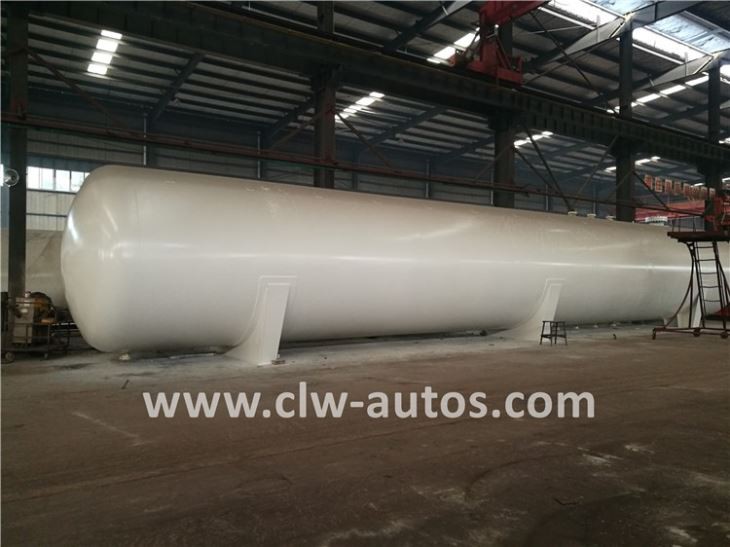
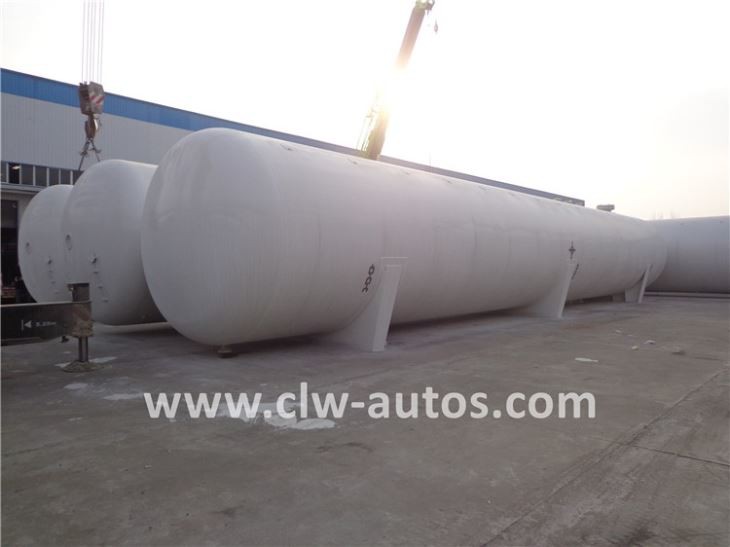
We have different sizes of LPG storage tanks available. For example, our 60,000Liters 30tons Liquid Petrolum Gas LPG Tanker is suitable for large - scale storage and transportation. It is built with high - strength materials and advanced manufacturing techniques to withstand high pressures and ensure long - term use.
Our 40000Liters 20Tons Propane LPG Liquid Gas Storage Tank is another popular option for medium - sized storage requirements. It is designed to be compact and easy to install, while still providing a large storage capacity.
We also offer Asme Standard LPG Storage Tank. These tanks are manufactured in accordance with the American Society of Mechanical Engineers (ASME) standards, which are widely recognized for their high - quality and safety requirements.
Conclusion
In conclusion, while an LPG storage tank can explode under certain conditions, the risk can be effectively managed through proper design, installation, maintenance, and safety measures. By following safety standards and regulations, and using high - quality storage tanks, the likelihood of an explosion can be significantly reduced.
If you are in the market for LPG storage tanks, we invite you to contact us for more information and to discuss your specific requirements. Our team of experts is ready to assist you in selecting the right tank for your needs and ensuring its safe and reliable operation.
References
- NFPA 58: Liquefied Petroleum Gas Code
- API 620: Design and Construction of Large, Welded, Low - Pressure Storage Tanks
- ASME Boiler and Pressure Vessel Code