


Liquefied Petroleum Gas (LPG) is a widely used energy source in various sectors, including residential, commercial, and industrial. As an LPG tank supplier, I understand the critical importance of certifications for LPG tanks. These certifications not only ensure the safety and reliability of the tanks but also play a significant role in building trust with customers. In this blog, I will delve into what certifications for LPG tanks entail, their significance, and how they impact our business as a supplier.
Understanding the Basics of LPG Tanks
Before we dive into the certifications, it's essential to have a basic understanding of LPG tanks. LPG tanks are designed to store liquefied petroleum gas under pressure. They come in various sizes and configurations, ranging from small portable cylinders to large stationary storage tanks. The materials used in manufacturing LPG tanks are typically steel or aluminum, chosen for their strength and durability to withstand the high-pressure environment.
Importance of Certifications
Certifications for LPG tanks are not just a formality; they are a crucial aspect of ensuring the safety and quality of the product. These certifications indicate that the tanks have undergone rigorous testing and meet specific standards set by regulatory bodies. For us as a supplier, having certified LPG tanks is a testament to our commitment to providing high-quality and safe products to our customers. It also helps us comply with local and international regulations, which is essential for operating in the industry.
Types of Certifications
ASME Certification
The American Society of Mechanical Engineers (ASME) certification is one of the most recognized certifications for pressure vessels, including LPG tanks. Tanks with ASME certification have been designed, fabricated, and inspected according to the strict guidelines set by ASME. This certification ensures that the tanks can withstand the specified pressure and temperature conditions, reducing the risk of leaks or explosions. For customers, ASME-certified tanks provide peace of mind knowing that they are purchasing a product that meets high-quality standards.
ISO Certification
The International Organization for Standardization (ISO) also plays a significant role in certifying LPG tanks. ISO standards cover various aspects of the tank's design, manufacturing, and testing. For example, ISO 9001 certification focuses on quality management systems, ensuring that the manufacturing process is consistent and reliable. ISO 14001 certification, on the other hand, is related to environmental management, indicating that the production process is environmentally friendly. Having ISO-certified LPG tanks demonstrates our commitment to quality and sustainability.
Local Regulatory Certifications
In addition to international certifications, LPG tanks must also comply with local regulatory requirements. These requirements can vary from country to country and even from region to region. For example, some countries may have specific requirements regarding the installation, maintenance, and inspection of LPG tanks. As a supplier, we need to ensure that our tanks meet all the local regulatory certifications to be able to sell them in different markets.
Our Product Range and Certifications
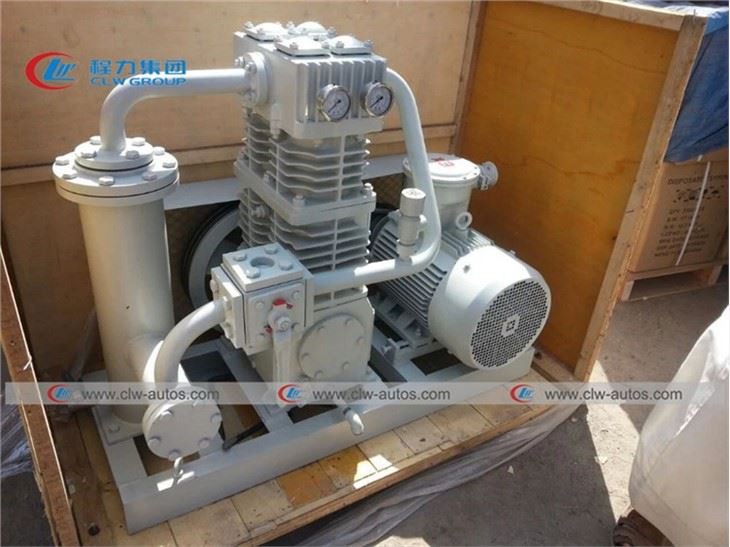
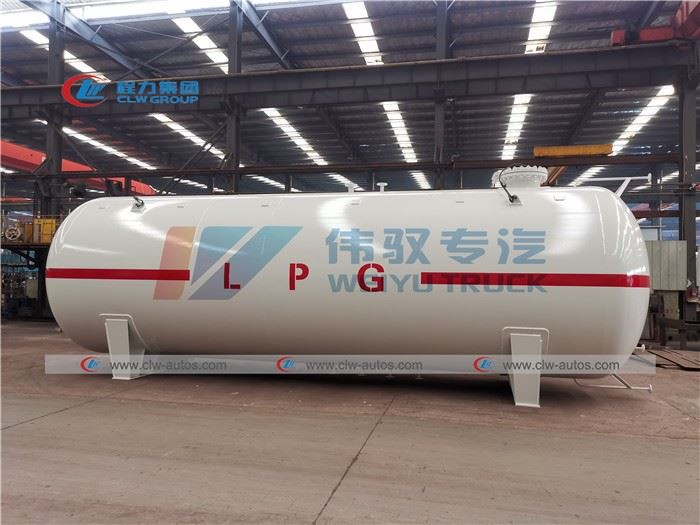
At our company, we offer a wide range of LPG tanks, each with the necessary certifications. For instance, our 5CBM 2tons 3tons LPG Skid Station is designed to meet the highest safety and quality standards. It comes with all the required certifications, ensuring that it can be safely used in various applications. Similarly, our 50cbm 25tons 25mt LPG Storage Tank is also certified to meet international and local standards. We also offer Corken Gas Compressor For Road Tanker Delivery, which is an essential component for the safe and efficient delivery of LPG.
The Certification Process
The certification process for LPG tanks is a comprehensive and time - consuming one. It starts with the design phase, where engineers ensure that the tank meets the relevant standards. The manufacturing process is then closely monitored to ensure that all the components are fabricated according to the specifications. Once the tank is completed, it undergoes a series of tests, including hydrostatic testing, which involves filling the tank with water and pressurizing it to check for leaks and structural integrity. Non - destructive testing methods, such as ultrasonic testing and radiography, are also used to detect any internal defects. Only after passing all these tests can the tank be certified.
Impact on Our Business
Certifications have a significant impact on our business. Firstly, they help us expand our market reach. Customers are more likely to purchase LPG tanks from a supplier that offers certified products. This gives us a competitive edge in the market. Secondly, certifications reduce the risk of product liability claims. Since our tanks are certified to meet high - quality standards, the chances of any safety - related issues are minimized. This not only protects our customers but also safeguards our business from potential legal and financial risks.
Conclusion
In conclusion, certifications for LPG tanks are of utmost importance. They ensure the safety, quality, and reliability of the tanks, which is crucial for both the customers and the suppliers. As an LPG tank supplier, we are committed to providing our customers with certified products that meet the highest standards. Our wide range of products, including the 5CBM 2tons 3tons LPG Skid Station, 50cbm 25tons 25mt LPG Storage Tank, and Corken Gas Compressor For Road Tanker Delivery, are all backed by the necessary certifications.
If you are interested in purchasing LPG tanks or related equipment, we invite you to contact us for procurement discussions. We are more than happy to provide you with detailed information about our products and certifications.
References
- American Society of Mechanical Engineers (ASME) Boiler and Pressure Vessel Code
- International Organization for Standardization (ISO) standards
- Local regulatory guidelines for LPG tanks in different countries