


As a seasoned supplier of LPG storage tanks, I understand the critical importance of grounding requirements for these essential storage units. In this blog post, I'll delve into the science and regulations behind grounding LPG storage tanks, shedding light on why it's a non - negotiable aspect of safety and compliance.
The Basics of LPG and the Need for Grounding
LPG, or liquefied petroleum gas, is a highly flammable mixture of hydrocarbon gases, mainly propane and butane. These gases are stored under pressure in storage tanks to keep them in a liquid state. Due to their flammable nature, any potential source of ignition must be carefully managed to prevent accidents.
Static electricity is one such potential ignition source. When LPG is transferred, for example, from a tanker to a storage tank, or during the filling and emptying processes, friction between the liquid and the tank's interior surfaces can generate static charges. If these charges are not properly dissipated, they can build up and create a spark, which could ignite the LPG vapor, leading to a catastrophic explosion or fire.
Grounding Principles
Grounding is the process of providing a low - resistance path for electrical charges to flow safely into the earth. For LPG storage tanks, this means establishing a connection between the tank and the ground using a grounding system. The grounding system typically consists of grounding electrodes, conductors, and bonding jumpers.
Grounding electrodes are metal rods or plates that are buried in the ground. They provide a large surface area for the electrical charges to be dispersed into the earth. The conductors, usually copper or aluminum cables, connect the tank to the grounding electrodes. Bonding jumpers are used to connect different metal components of the tank system, such as the tank shell, piping, and valves, to ensure that they are all at the same electrical potential.
Regulatory Requirements
In most countries, there are strict regulations governing the grounding of LPG storage tanks. These regulations are designed to protect public safety and prevent environmental disasters. For example, in the United States, the National Fire Protection Association (NFPA) publishes NFPA 58, which provides detailed requirements for the installation and maintenance of LPG systems, including grounding.
According to NFPA 58, LPG storage tanks must be grounded using a grounding electrode system that meets specific requirements. The grounding electrode must have a resistance to ground of no more than 25 ohms. If the resistance exceeds this value, additional grounding electrodes may be required.
Grounding Installation and Maintenance
Proper installation of the grounding system is crucial. The grounding electrodes should be installed at a sufficient depth in the ground to ensure good contact with the soil. The conductors should be of the appropriate size and material to carry the electrical current safely. All connections should be tight and free of corrosion.
Regular maintenance of the grounding system is also essential. Periodic inspections should be carried out to check for any signs of damage or corrosion to the grounding electrodes, conductors, and bonding jumpers. The resistance to ground should be measured at least annually to ensure that it remains within the acceptable range.
Impact of Grounding on Tank Performance
A well - grounded LPG storage tank not only enhances safety but also contributes to the overall performance and longevity of the tank. By preventing static electricity from building up, grounding reduces the risk of internal corrosion caused by electrical currents. This helps to maintain the structural integrity of the tank and extends its service life.
Our LPG Storage Tanks and Grounding
At our company, we take grounding requirements very seriously. All our LPG storage tanks are designed and manufactured to meet or exceed the relevant regulatory standards for grounding. We use high - quality grounding materials and follow strict installation procedures to ensure that our tanks are properly grounded.
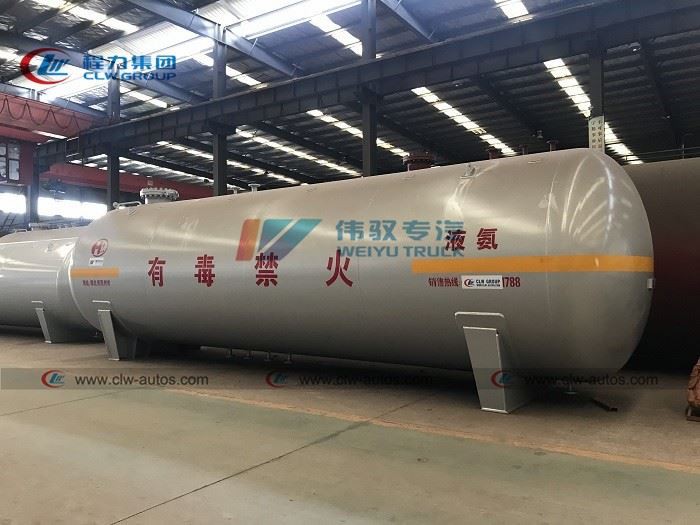
We offer a wide range of LPG storage tanks to meet different customer needs. For example, our 50,000L 50CBM Liquid Ammonia Storage Tank is a large - capacity tank suitable for industrial applications. It comes with a comprehensive grounding system to ensure safe operation.
Our 5CBM 2.5MT LPG Storage Tanker is a mobile solution for transporting LPG. It is also equipped with a reliable grounding system to prevent static - related hazards during transportation.
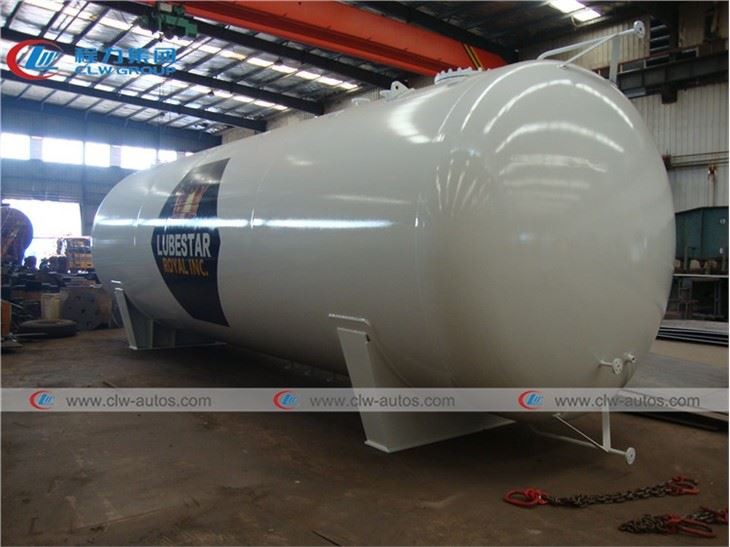
And our 40000liters LPG Storage Tank is a popular choice for commercial and residential use. We ensure that it meets all the grounding requirements to provide a safe and efficient storage solution.
Contact Us for Your LPG Storage Needs
If you are in the market for an LPG storage tank, whether for industrial, commercial, or residential use, we are here to help. Our team of experts can provide you with detailed information about our products, including the grounding systems. We can also assist you with the installation and maintenance of your tank to ensure that it operates safely and efficiently.
Contact us today to start a conversation about your LPG storage requirements. We look forward to working with you to provide the best LPG storage solutions.
References
- National Fire Protection Association (NFPA). NFPA 58: Liquefied Petroleum Gas Code.
- International Organization for Standardization (ISO). ISO standards related to LPG storage and handling.
- Local regulatory authorities' guidelines on LPG storage tank grounding.