


As a seasoned supplier of LPG storage tanks, I've witnessed firsthand the growing demand for efficient space utilization in the industry. With the increasing need for cost - effective and sustainable solutions, optimizing the space of an LPG storage tank has become a crucial aspect for businesses across the globe. In this blog, I'll share some practical strategies and insights that can help you make the most out of your LPG storage tank space.
Understanding the Basics of LPG Storage Tanks
Before delving into optimization techniques, it's essential to have a basic understanding of LPG storage tanks. LPG, or liquefied petroleum gas, is a flammable mixture of hydrocarbon gases, mainly propane and butane. These gases are stored in tanks under pressure to keep them in a liquid state. The size and design of LPG storage tanks can vary widely, depending on the intended use, capacity requirements, and safety regulations.
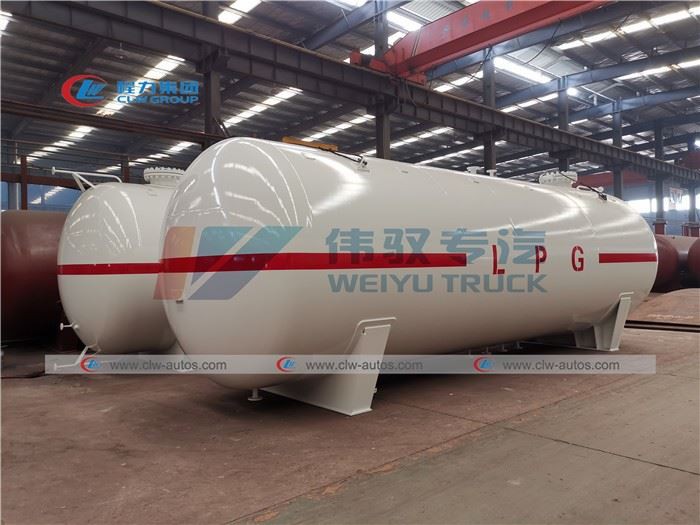
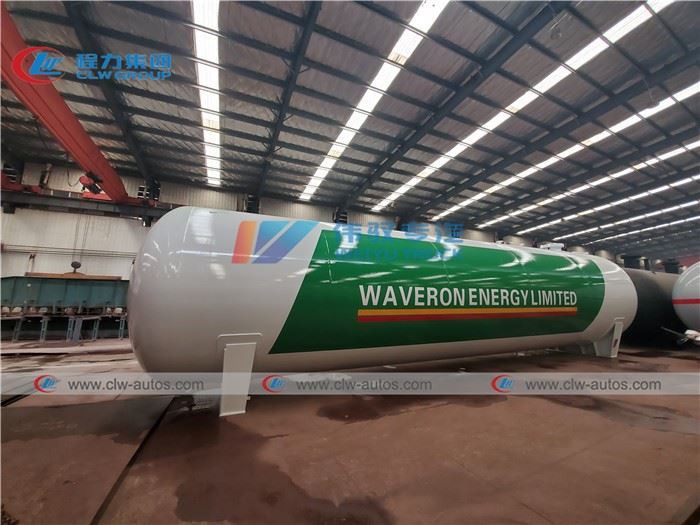
We offer a range of LPG storage tanks, including the 115CBM 50MT 55MT LPG Storage Tank, 50cbm 25tons 25mt LPG Storage Tank, and 20CBM 10MT 10T 10tons LPG Storage Tanker. Each tank is designed with specific features to meet different customer needs, but the goal of space optimization remains the same across the board.
Design - Level Optimization
Selecting the Right Tank Shape
The shape of an LPG storage tank plays a significant role in space utilization. Cylindrical tanks are the most common choice due to their structural integrity and efficient use of space. A cylindrical shape minimizes the surface - to - volume ratio, which reduces heat transfer and helps maintain the pressure inside the tank. Additionally, cylindrical tanks can be easily stacked or arranged in a row, allowing for more efficient use of floor space in a storage facility.
Custom - Designed Tanks
For some applications, a custom - designed tank may be the best option. If you have specific space constraints or unique requirements, working with a supplier to design a tank that fits your exact needs can significantly improve space utilization. Our team of experts can collaborate with you to create a tank that maximizes capacity while fitting within the available space.
Operational - Level Optimization
Inventory Management
Effective inventory management is key to optimizing the space of an LPG storage tank. By closely monitoring the level of LPG in the tank and accurately predicting demand, you can avoid over - filling or under - utilizing the tank. Implementing an inventory management system that uses sensors and real - time data can help you make informed decisions about when to refill the tank and how much LPG to store.
Loading and Unloading Efficiency
The process of loading and unloading LPG from the tank can also impact space utilization. Ensuring that the loading and unloading equipment is properly sized and positioned can reduce the time and space required for these operations. For example, using a high - flow loading arm can speed up the filling process, allowing you to use the tank more efficiently.
Safety - First Approach
Complying with Safety Regulations
Safety is always the top priority when it comes to LPG storage. Complying with all relevant safety regulations is essential not only for protecting lives and property but also for optimizing space utilization. Regulations often dictate the minimum distance between tanks, the type of safety equipment required, and the maximum fill level of the tank. By following these regulations, you can ensure that your storage facility is both safe and efficient.
Regular Maintenance
Regular maintenance of the LPG storage tank is crucial for safety and space optimization. A well - maintained tank is less likely to develop leaks or structural issues, which can lead to downtime and loss of storage capacity. Conducting routine inspections, testing the safety valves, and repairing any damage promptly can help keep the tank in optimal condition.
Advanced Technologies for Space Optimization
Smart Monitoring Systems
Smart monitoring systems are revolutionizing the way we manage LPG storage tanks. These systems use sensors to collect data on various parameters, such as temperature, pressure, and LPG level. The data is then transmitted to a central control system, where it can be analyzed to provide real - time insights into the tank's performance. By using smart monitoring systems, you can detect potential issues early, optimize the filling process, and improve overall space utilization.
Simulation and Modeling
Simulation and modeling techniques can be used to predict the behavior of LPG in the tank under different conditions. This can help you determine the optimal tank design, filling strategy, and storage layout. By using these techniques, you can make data - driven decisions that lead to more efficient space utilization.
Case Studies
Let's take a look at a real - world example of how space optimization can be achieved. A small - scale LPG distributor was facing space constraints in their storage facility. They had a limited area to store their LPG tanks, and they needed to increase their storage capacity without expanding the facility. By working with us, we recommended a custom - designed cylindrical tank that was specifically tailored to fit within the available space. We also implemented a smart monitoring system to optimize the filling process. As a result, the distributor was able to increase their storage capacity by 30% without any additional floor space.
Conclusion
Optimizing the space utilization of an LPG storage tank is a multi - faceted process that involves design, operation, safety, and the use of advanced technologies. By selecting the right tank shape, implementing effective inventory management, complying with safety regulations, and leveraging smart monitoring systems, you can make the most out of your LPG storage tank.
If you're interested in learning more about how we can help you optimize the space utilization of your LPG storage tank or if you're looking to purchase a new tank, we'd love to hear from you. Contact us to discuss your requirements and explore the best solutions for your business.
References
- API Standard 620, "Design and Construction of Large, Welded, Low - Pressure Storage Tanks"
- NFPA 58, "Liquefied Petroleum Gas Code"
- International Organization for Standardization (ISO) standards related to LPG storage tanks.