


As a supplier of LPG trucks, I've witnessed firsthand the critical role that the suspension system plays in ensuring the stability and safety of these vehicles. LPG trucks are designed to transport liquefied petroleum gas, a highly flammable and potentially dangerous substance. Therefore, any factor that can affect the truck's stability is of utmost importance. In this blog post, I'll delve into how the suspension system of an LPG truck impacts its stability and why it's crucial for both drivers and operators to understand these dynamics.
Understanding the Basics of a Suspension System
Before we discuss how the suspension system affects stability, let's first understand what it is and what it does. A suspension system in a truck is a complex set of components that connect the vehicle's body to its wheels. Its primary functions include supporting the vehicle's weight, absorbing shocks from the road surface, and maintaining contact between the tires and the road.
The main components of a typical suspension system include springs, shock absorbers, control arms, and sway bars. Springs are responsible for supporting the weight of the truck and its cargo. They compress and expand to absorb the energy from bumps and uneven road surfaces. Shock absorbers, on the other hand, dampen the oscillations of the springs, preventing the truck from bouncing excessively. Control arms connect the wheels to the vehicle's frame and allow for controlled movement of the wheels. Sway bars, also known as anti - roll bars, reduce body roll when the truck is turning.
Impact on Load Distribution
One of the key ways the suspension system affects the stability of an LPG truck is through load distribution. LPG trucks carry large and heavy tanks of liquefied petroleum gas, which can significantly affect the vehicle's center of gravity. A well - designed suspension system helps to evenly distribute the weight of the load across all the wheels.
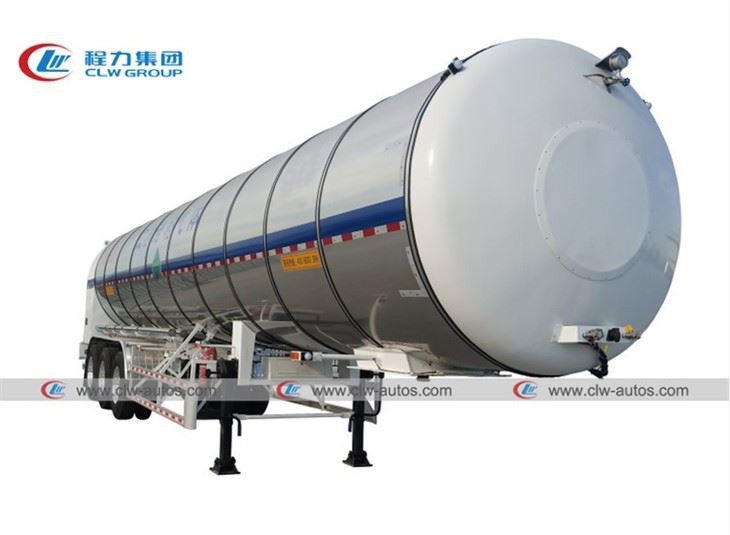
When the load is evenly distributed, each tire has an equal amount of weight on it, which improves traction and reduces the risk of tire wear. Uneven load distribution can cause some tires to bear more weight than others, leading to uneven tire wear, reduced traction, and potentially dangerous handling characteristics. For example, if the rear suspension of an LPG truck is not properly designed to handle the weight of the LPG tank, the rear tires may experience excessive wear, and the truck may become more prone to fishtailing or skidding, especially during braking or cornering.
Handling Bumps and Uneven Surfaces
LPG trucks often operate on a variety of road surfaces, from smooth highways to rough and bumpy rural roads. The suspension system is responsible for ensuring that the truck can navigate these surfaces safely and smoothly. When the truck encounters a bump or an uneven surface, the suspension system absorbs the shock and prevents it from being transferred directly to the vehicle's body.
If the suspension system is too stiff, the truck will transmit more of the shock to the driver and the cargo, which can be uncomfortable for the driver and potentially damage the LPG tank. On the other hand, if the suspension system is too soft, the truck may bounce excessively, reducing its stability and control. A properly tuned suspension system provides a balance between comfort and stability, allowing the truck to maintain contact with the road surface and providing a smooth ride.
Cornering and Maneuverability
Cornering is another critical aspect of a truck's stability, and the suspension system plays a vital role in this. When an LPG truck is turning, centrifugal force acts on the vehicle, causing it to lean to one side. The sway bars in the suspension system help to counteract this force and reduce body roll.
A well - designed suspension system with effective sway bars allows the truck to maintain a more level stance during cornering, improving traction and stability. This is especially important for LPG trucks, as any loss of stability during cornering can lead to a rollover, which is a catastrophic event. Additionally, the control arms in the suspension system ensure that the wheels can turn smoothly and precisely, allowing the driver to make accurate maneuvers.
The Role of Shock Absorbers
Shock absorbers are an essential part of the suspension system, and their performance can have a significant impact on the stability of an LPG truck. As mentioned earlier, shock absorbers dampen the oscillations of the springs. They work by converting the kinetic energy of the bouncing springs into heat energy, which is then dissipated.
Worn - out or malfunctioning shock absorbers can cause the truck to bounce excessively, especially after hitting a bump. This not only reduces the comfort of the ride but also affects the truck's stability. When the truck bounces, the tires can lose contact with the road surface, reducing traction and increasing the risk of skidding. Regular inspection and replacement of shock absorbers are crucial to ensure the continued stability and safety of the LPG truck.
Our Product Offerings
At our company, we understand the importance of a reliable suspension system for LPG trucks. We offer a range of high - quality LPG trucks that are equipped with advanced suspension systems designed to provide optimal stability and performance. In addition to LPG trucks, we also have a diverse product portfolio that includes other types of trucks. For example, we have the 29.6M3 26Tons Liquid Carbon Dioxide Tank Trailer, which is suitable for transporting liquid carbon dioxide. Our SINOTRUK 10Tons 10,000L Fuel Bowser Truck LHD is an excellent choice for fuel transportation. And if you're in need of a garbage truck, our KAMA 4CBM Rear Loading Garbage Truck offers efficient waste collection solutions.
Importance of Regular Maintenance
To ensure the continued stability and safety of an LPG truck, regular maintenance of the suspension system is essential. This includes checking the condition of the springs, shock absorbers, control arms, and sway bars. Any signs of wear, damage, or malfunction should be addressed immediately.
Regular maintenance also involves proper alignment of the wheels. Misaligned wheels can cause uneven tire wear and affect the truck's handling and stability. A professional mechanic should perform wheel alignment at regular intervals to ensure that the wheels are properly aligned and the truck is driving straight.
Conclusion
In conclusion, the suspension system of an LPG truck has a profound impact on its stability. It affects load distribution, handling of bumps and uneven surfaces, cornering, and maneuverability. A well - designed and properly maintained suspension system is crucial for the safe operation of LPG trucks, as it helps to prevent accidents and ensure the well - being of drivers and the public.
If you're in the market for an LPG truck or any other type of truck, we invite you to contact us for more information. Our team of experts is ready to assist you in finding the right vehicle for your needs. Whether you're a small business owner or a large fleet operator, we can provide you with high - quality trucks and excellent customer service. Don't hesitate to reach out to us to start the procurement process and discuss your specific requirements.
References
- Gillespie, T. D. (1992). Fundamentals of Vehicle Dynamics. Society of Automotive Engineers.
- Milliken, W. F., & Milliken, D. L. (1995). Race Car Vehicle Dynamics. Society of Automotive Engineers.
- Wong, J. Y. (2001). Theory of Ground Vehicles. John Wiley & Sons.