


Do LPG Tanks require a permit for use?
Hey there! I'm an LPG tank supplier, and I get this question a lot: "Do LPG tanks require a permit for use?" Well, the answer isn't as straightforward as you might think, and it can vary depending on a bunch of factors. Let's dive in and break it down.
First off, what is LPG? LPG stands for liquefied petroleum gas. It's a flammable mixture of hydrocarbon gases, mainly propane and butane. LPG is used in a wide range of applications, from cooking in households to powering industrial equipment. And because it's flammable, safety is a huge concern, which is where permits come into play.
In many places, using an LPG tank does require a permit. The reason behind this is simple: safety. LPG is stored under pressure, and if there's a leak or some other issue, it can be extremely dangerous. Permits ensure that the tanks are installed, maintained, and used correctly, following all the safety standards and regulations.
For residential use, say you want to use an LPG tank for your barbecue or a small heater. In some areas, you might not need a permit for a small, portable tank. But if you're planning to install a larger tank, like for central heating in your home, you'll almost certainly need a permit. The authorities will want to check that the installation meets all the safety requirements, like proper ventilation, distance from buildings, and secure anchoring.
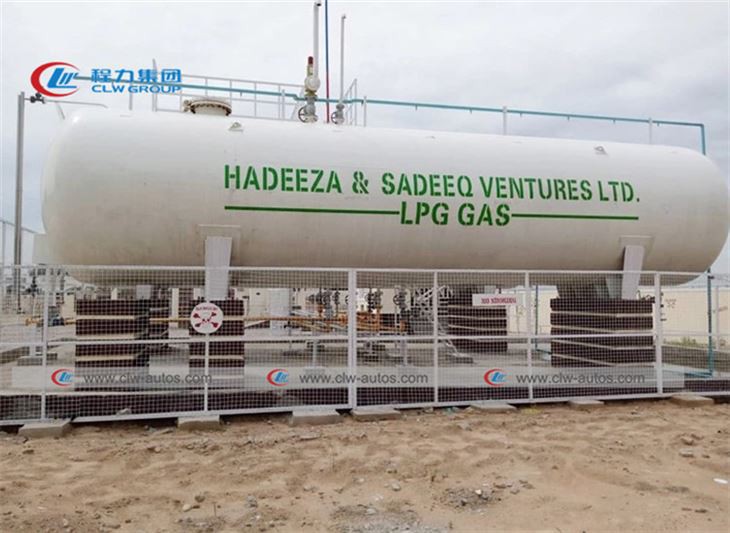
When it comes to commercial and industrial use, permits are almost always required. Businesses that use LPG, such as restaurants, factories, or gas stations, need to go through a rigorous process to get the necessary permits. This includes inspections of the tank installation, storage facilities, and operating procedures. For example, a 30tons LPG Storage Tank For Cylinder Filling Gas Station used at a gas station has to meet strict safety standards, and the operators need to be trained to handle it.
The process of getting a permit usually involves filling out an application, providing details about the tank, like its size, capacity, and location. You'll also need to submit plans for the installation and show that you have the necessary safety measures in place. After that, an inspector will come to check the site and make sure everything is up to code. If there are any issues, you'll have to fix them before you can get the permit.
But here's the thing: the rules and regulations regarding LPG tank permits can vary from one jurisdiction to another. Some areas might have really strict requirements, while others might be a bit more lenient. That's why it's super important to check with your local authorities to find out exactly what you need to do.
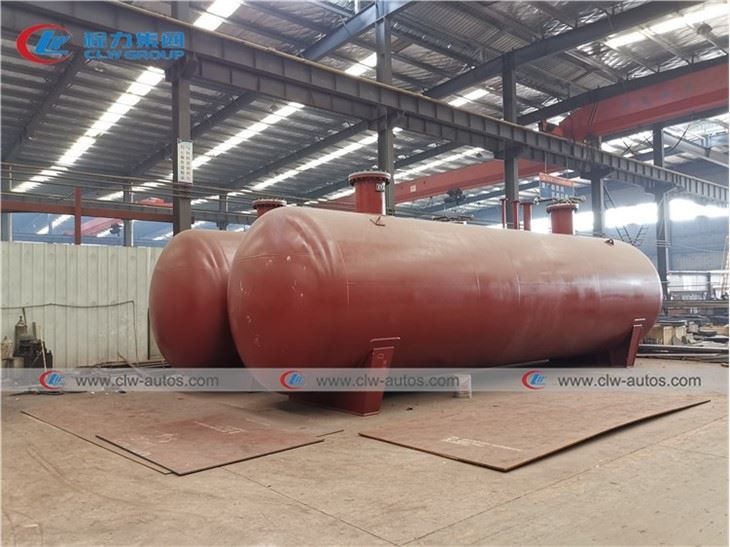
As an LPG tank supplier, I've seen firsthand how different the regulations can be. I've worked with customers in various locations, and each place has its own set of rules. For instance, in some areas, underground tanks are more popular because they take up less space and are safer in some ways. An Underground LPG Tank 50000liters 13000 Gallons can be a great option for large - scale storage. But installing an underground tank often comes with even more stringent requirements and permits.
Another factor that can affect the need for a permit is the type of LPG tank. There are different sizes and designs, and some might be more regulated than others. For example, a 25tons Cooking Gas Tank LPG Storage Tank For Cambodia used for a large - scale cooking facility in a specific region will have its own set of permit - related requirements.
Now, let's talk about why these permits are so important. Besides the obvious safety reasons, having a proper permit can also protect you legally. If something goes wrong, like a gas leak or an explosion, and you don't have the required permit, you could be held liable. Insurance companies might also be less likely to cover damages if you're operating without a permit.
On top of that, permits help maintain the overall quality and safety of the LPG industry. By ensuring that all tanks are installed and used correctly, it reduces the risk of accidents that could harm people and the environment.
So, if you're thinking about using an LPG tank, whether it's for your home, business, or industrial use, my advice is to start by checking with your local authorities. Find out what the permit requirements are, and make sure you follow the process carefully.
As an LPG tank supplier, I can help you every step of the way. I have a wide range of LPG tanks to suit different needs, and I can provide you with all the information you need about the installation and safety requirements. If you're interested in purchasing an LPG tank, don't hesitate to reach out. We can discuss your specific needs, and I'll do my best to find the perfect solution for you. Whether it's a small portable tank for your backyard or a large - scale storage tank for your business, I've got you covered.
In conclusion, while the need for a permit for using an LPG tank can be a bit of a hassle, it's a necessary step to ensure safety and compliance. And remember, I'm here as your LPG tank supplier to make the process as easy as possible for you. So, if you've got any questions or are ready to start the procurement process, just let me know.
References
- Local Fire and Safety Codes
- International Association of LPG Industries Guidelines