


Transporting a fuel tank trailer on a ferry is a complex yet crucial process that requires meticulous planning, strict adherence to safety regulations, and a thorough understanding of the involved logistics. As a fuel tank trailer supplier, I have witnessed firsthand the importance of ensuring a smooth and secure transportation experience for our clients. In this blog post, I will delve into the key steps and considerations involved in transporting a fuel tank trailer on a ferry.
Pre - Transport Planning
1. Regulatory Compliance
Before any transportation can take place, it is essential to ensure that all regulatory requirements are met. This includes obtaining the necessary permits for transporting hazardous materials, as fuel tank trailers are considered high - risk cargo. Different regions have different regulations regarding the transportation of fuel, so it is vital to research and comply with the specific rules of the departure and arrival ports, as well as any intermediate stops.
For example, in many countries, you need to provide detailed information about the fuel tank trailer, such as its capacity, the type of fuel it contains, and safety features. Failing to comply with these regulations can result in hefty fines and delays in the transportation process.
2. Trailer Inspection
A comprehensive inspection of the fuel tank trailer is a must - do before it is loaded onto the ferry. Check the tank for any signs of damage, corrosion, or leaks. Ensure that all safety valves, gauges, and hoses are in proper working condition. Inspect the tires, brakes, and suspension system of the trailer to guarantee its roadworthiness.
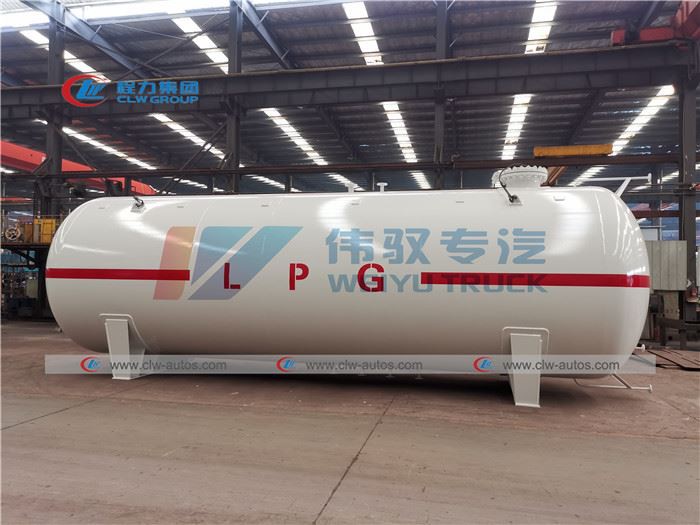
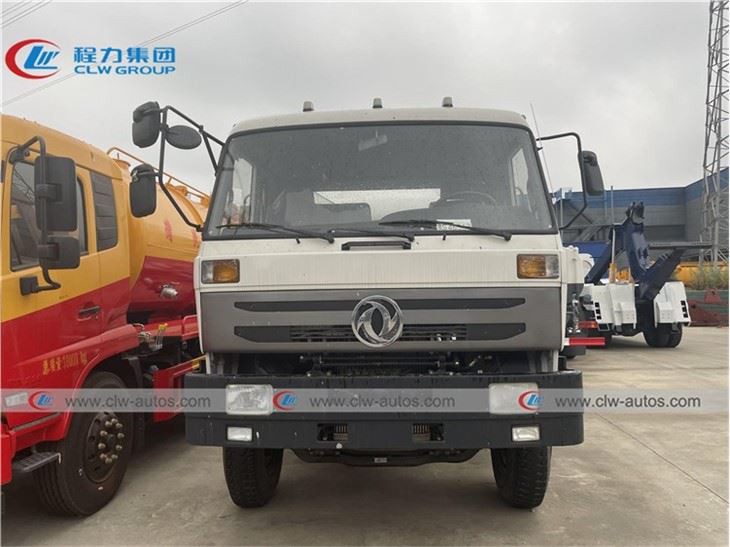
If any issues are detected during the inspection, they should be addressed immediately. A faulty fuel tank trailer not only poses a risk to the ferry and its passengers but also to the environment in case of a spill.
3. Ferry Selection
Choosing the right ferry for transporting the fuel tank trailer is crucial. Consider factors such as the ferry's size, weight capacity, and safety features. Some ferries are specifically designed to handle hazardous cargo, while others may have restrictions.
Contact the ferry operator in advance to discuss your requirements. Provide them with detailed information about the fuel tank trailer, including its dimensions and weight. This will help the ferry operator determine if they can accommodate your cargo and make the necessary preparations.
4. Loading and Securing Plan
Develop a detailed loading and securing plan for the fuel tank trailer. The trailer should be loaded onto the ferry in a way that distributes the weight evenly. Use appropriate equipment, such as ramps and winches, to ensure a safe and smooth loading process.
Once the trailer is on the ferry, it must be securely fastened to prevent movement during the journey. Use heavy - duty straps, chains, and brackets to secure the trailer to the ferry's deck. The securing points should be strong enough to withstand the forces exerted during the ferry's motion, including waves, wind, and acceleration or deceleration.
Loading the Fuel Tank Trailer
1. Coordination with the Ferry Crew
On the day of loading, coordinate closely with the ferry crew. They are experienced in handling different types of cargo and can provide valuable assistance. Follow their instructions regarding the loading sequence and the position of the fuel tank trailer on the ferry.
The ferry crew will also conduct their own safety checks before allowing the trailer to be loaded. Be prepared to provide any additional information or documentation they may require.
2. Loading Process
Use a professional and experienced team to load the fuel tank trailer. The team should be familiar with the operation of the loading equipment and the specific requirements of fuel tank trailers.
The trailer should be loaded slowly and steadily. Pay close attention to the alignment of the trailer on the ferry's deck to ensure that it is properly positioned. As the trailer is being loaded, monitor the balance and stability to prevent any sudden shifts.
During the Journey
1. Monitoring
Once the fuel tank trailer is loaded and secured on the ferry, continuous monitoring is essential. The ferry crew should regularly check the trailer's securing points to ensure that they remain tight. Look for any signs of movement or damage to the trailer during the journey.
In addition, monitor the fuel tank's pressure and temperature gauges if possible. Any abnormal readings could indicate a potential problem that needs to be addressed immediately.
2. Emergency Preparedness
Despite all the precautions, emergencies can still occur. The ferry should be equipped with appropriate emergency response equipment, such as fire extinguishers, spill containment kits, and first - aid supplies.
The crew should be trained in handling fuel - related emergencies, such as fires or spills. In case of an emergency, a clear communication plan should be in place to notify the relevant authorities and take appropriate action to minimize the damage.
Unloading the Fuel Tank Trailer
1. Pre - Unloading Checks
Before unloading the fuel tank trailer, conduct another round of checks. Ensure that the securing points can be safely released and that there are no signs of damage or movement during the journey.
Check the ferry's docking area to ensure that it is suitable for unloading the trailer. The surface should be flat and stable, and there should be enough space for the trailer to be safely maneuvered.
2. Unloading Process
The unloading process should be carried out in a similar manner to the loading process. Use the appropriate equipment to gently lower the trailer from the ferry to the dock.
Once the trailer is off the ferry, it should be inspected again to ensure that it has remained in good condition during the transportation.
Related Products
If you are interested in other products in addition to fuel tank trailers, we also offer a wide range of high - quality options. You can check out our 50cbm 25tons 25mt LPG Storage Tank, which is designed for efficient and safe LPG storage. We also have the Dongfeng 20 Seats Bus for transportation needs, as well as the 6X4 Dongfeng 10 Cubic Meters Concrete Mixer Truck for construction projects.
Conclusion
Transporting a fuel tank trailer on a ferry is a multi - step process that demands careful planning, strict safety measures, and effective communication. By following the steps outlined in this post, you can ensure a safe and successful transportation of your fuel tank trailer.
If you are in the market for fuel tank trailers or other related products, we are here to provide you with high - quality solutions. Our team of experts can assist you with the entire process, from product selection to transportation. Feel free to contact us to discuss your specific needs and start the procurement process.
References
- International Maritime Organization regulations on the transportation of hazardous goods.
- National transportation safety guidelines for fuel tank trailers.
- Best practices in loading and securing heavy cargo on ferries.