


A dry vacuum truck is a specialized vehicle designed to handle and transport dry materials such as powders, grains, and debris. As a leading Vacuum Truck supplier, I am often asked about how these trucks work. In this blog post, I will provide a detailed explanation of the working principle of a dry vacuum truck, its key components, and its applications.
Working Principle of a Dry Vacuum Truck
The basic working principle of a dry vacuum truck is based on the creation of a pressure differential to suck up dry materials. The process can be broken down into the following steps:
- Creation of Vacuum: The vacuum pump on the truck creates a low-pressure area inside the storage tank. This low-pressure area causes air to rush into the tank through the suction hose, creating a powerful suction force at the end of the hose.
- Suction of Materials: The suction force at the end of the hose is strong enough to pick up dry materials such as powders, grains, and debris. The materials are then carried by the air stream through the suction hose and into the storage tank.
- Separation of Materials and Air: Once the materials and air enter the storage tank, a separation process takes place. The materials are separated from the air using a variety of methods, such as cyclonic separation or filter bags. The separated materials are then collected in the bottom of the tank, while the clean air is released back into the atmosphere.
- Discharge of Materials: When the storage tank is full, the dry materials can be discharged from the truck. This is typically done by opening a valve at the bottom of the tank and allowing the materials to flow out under the force of gravity or with the help of a discharge system.
Key Components of a Dry Vacuum Truck
A dry vacuum truck consists of several key components that work together to ensure its proper operation. These components include:
- Vacuum Pump: The vacuum pump is the heart of the dry vacuum truck. It is responsible for creating the low-pressure area inside the storage tank and generating the suction force needed to pick up the dry materials. There are several types of vacuum pumps available, including rotary vane pumps, liquid ring pumps, and claw pumps.
- Storage Tank: The storage tank is where the dry materials are collected and stored. It is typically made of steel or aluminum and is designed to withstand the pressure and weight of the materials. The size of the storage tank can vary depending on the application and the capacity of the truck.
- Suction Hose: The suction hose is used to connect the vacuum pump to the source of the dry materials. It is typically made of flexible materials such as rubber or PVC and is designed to withstand the high suction forces and abrasion. The length and diameter of the suction hose can vary depending on the application and the distance between the truck and the source of the materials.
- Separation System: The separation system is responsible for separating the dry materials from the air inside the storage tank. There are several types of separation systems available, including cyclonic separators, filter bags, and cartridge filters. The type of separation system used depends on the type of materials being handled and the required level of filtration.
- Discharge System: The discharge system is used to unload the dry materials from the storage tank. It can be a simple gravity discharge system or a more complex pneumatic or mechanical discharge system. The type of discharge system used depends on the type of materials being handled and the requirements of the application.
Applications of Dry Vacuum Trucks
Dry vacuum trucks are used in a wide range of applications, including:
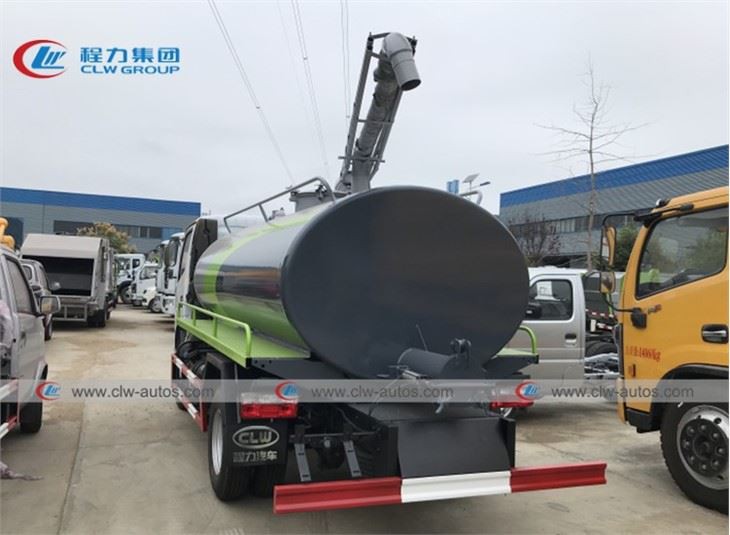
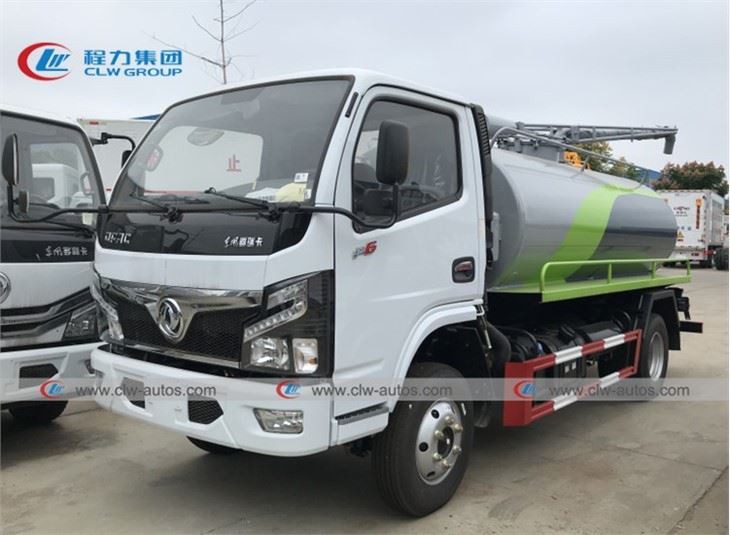
- Industrial Cleaning: Dry vacuum trucks are commonly used for industrial cleaning applications, such as cleaning up spills, removing dust and debris from manufacturing facilities, and cleaning out storage silos.
- Mining and Quarrying: In the mining and quarrying industry, dry vacuum trucks are used to collect and transport dry materials such as coal, ore, and sand. They are also used for dust control and environmental remediation.
- Agriculture: Dry vacuum trucks are used in the agricultural industry for tasks such as cleaning out grain bins, transporting fertilizers and pesticides, and collecting animal waste.
- Construction: In the construction industry, dry vacuum trucks are used for cleaning up construction sites, removing debris and dust, and transporting dry materials such as cement and sand.
- Waste Management: Dry vacuum trucks are used in the waste management industry for collecting and transporting dry waste materials such as paper, cardboard, and plastics. They are also used for cleaning out sewer systems and septic tanks.
Advantages of Using a Dry Vacuum Truck
There are several advantages to using a dry vacuum truck, including:
- Efficient and Effective: Dry vacuum trucks are highly efficient and effective at picking up and transporting dry materials. They can handle large volumes of materials quickly and easily, reducing the time and labor required for cleaning and transportation.
- Versatile: Dry vacuum trucks can be used in a wide range of applications and industries. They can handle different types of dry materials, including powders, grains, and debris, and can be used in both indoor and outdoor environments.
- Environmentally Friendly: Dry vacuum trucks are designed to minimize dust and emissions, making them an environmentally friendly option for cleaning and transportation. They can also be equipped with filtration systems to ensure that the air released back into the atmosphere is clean and free of pollutants.
- Safe and Reliable: Dry vacuum trucks are built to be safe and reliable. They are equipped with safety features such as pressure relief valves and emergency stop buttons to prevent accidents and ensure the safety of the operators.
- Cost-Effective: Using a dry vacuum truck can be a cost-effective solution for cleaning and transportation. They can reduce the need for manual labor and equipment, resulting in lower costs and increased productivity.
Related Products
As a Vacuum Truck supplier, we also offer a range of related products, including ISUZU GIGA 16TON Knuckle Folded Arm XCMG Crane Truck, China 5tons Dongfeng Road Sweeper Truck, and Dongfeng 6000Liters 6CBM Fecal Suction Truck. These products are designed to meet the needs of different industries and applications, providing efficient and reliable solutions for cleaning, transportation, and construction.
Conclusion
In conclusion, a dry vacuum truck is a specialized vehicle that uses a vacuum pump to create a pressure differential and suck up dry materials. It consists of several key components, including a vacuum pump, storage tank, suction hose, separation system, and discharge system. Dry vacuum trucks are used in a wide range of applications, including industrial cleaning, mining and quarrying, agriculture, construction, and waste management. They offer several advantages, including efficiency, versatility, environmental friendliness, safety, and cost-effectiveness. If you are in need of a dry vacuum truck or related products, please feel free to contact us for more information and to discuss your specific requirements. We look forward to working with you to provide the best solutions for your business.
References
- "Vacuum Trucks: How They Work and Their Applications." Equipment World, [Publication Date].
- "Dry Vacuum Trucks: A Comprehensive Guide." Construction Equipment Guide, [Publication Date].
- "The Advantages of Using a Dry Vacuum Truck." Waste Management World, [Publication Date].